A Delhi court on Friday acquitted former Chief Minister Arvind Kejriwal and former Deputy Chief Minister Manish Sisodia in the 2022 excise policy case, ruling that the Central Bureau of Investigation (CBI) failed to substantiate allegations of corruption and criminal conspiracy in the formulation of the now-scrapped liquor policy.
Special Judge Jitendra Singh of the Rouse Avenue Court delivered the verdict, observing that there was “no overarching conspiracy or criminal intent” behind the policy. The court said the alleged central conspiratorial role attributed to Kejriwal and Sisodia could not be supported with material evidence and that the charges did not withstand judicial scrutiny.
The judge further noted that serious allegations must be backed by credible evidence, particularly when they concern constitutional authorities. “The conspiracy theory cannot survive against one constitutional authority,” the court remarked, stressing that unsupported claims risk undermining public confidence in public offices.
Background Of The Case
The case pertains to the Delhi government’s 2021–22 excise policy, introduced by the Aam Aadmi Party (AAP) government with the stated aim of increasing revenue and reforming liquor sales in the national capital. However, the policy was later withdrawn amid allegations of irregularities.
The CBI alleged that a “south lobby” paid ₹100 crore in kickbacks to influence the policy in its favour. In total, 23 individuals were chargesheeted in the case, including Kejriwal and Sisodia. The agency filed its first chargesheet in 2022, followed by multiple supplementary chargesheets. Kejriwal’s name appeared in the fourth supplementary chargesheet.
During arguments, the CBI contended that criminal conspiracy should be viewed in its entirety and that the sufficiency of evidence ought to be tested at trial. Representing the agency, Additional Solicitor General D.P. Singh argued that adequate material existed to frame charges against all the accused.
Defence Arguments And Court Observations
Senior advocate N. Hariharan, appearing for Kejriwal, argued that there was no incriminating material directly linking his client to any alleged wrongdoing. He maintained that Kejriwal was performing official duties as chief minister and that the supplementary chargesheet naming him merely reiterated earlier claims without fresh evidence.
The court agreed that the prosecution had failed to establish a prima facie case. It also questioned the CBI’s use of the term “South Group” to describe certain accused persons. The judge observed that the origin and intent behind the label were unclear and indicated that such terminology should not have been used.
Emotional Reaction Outside Court
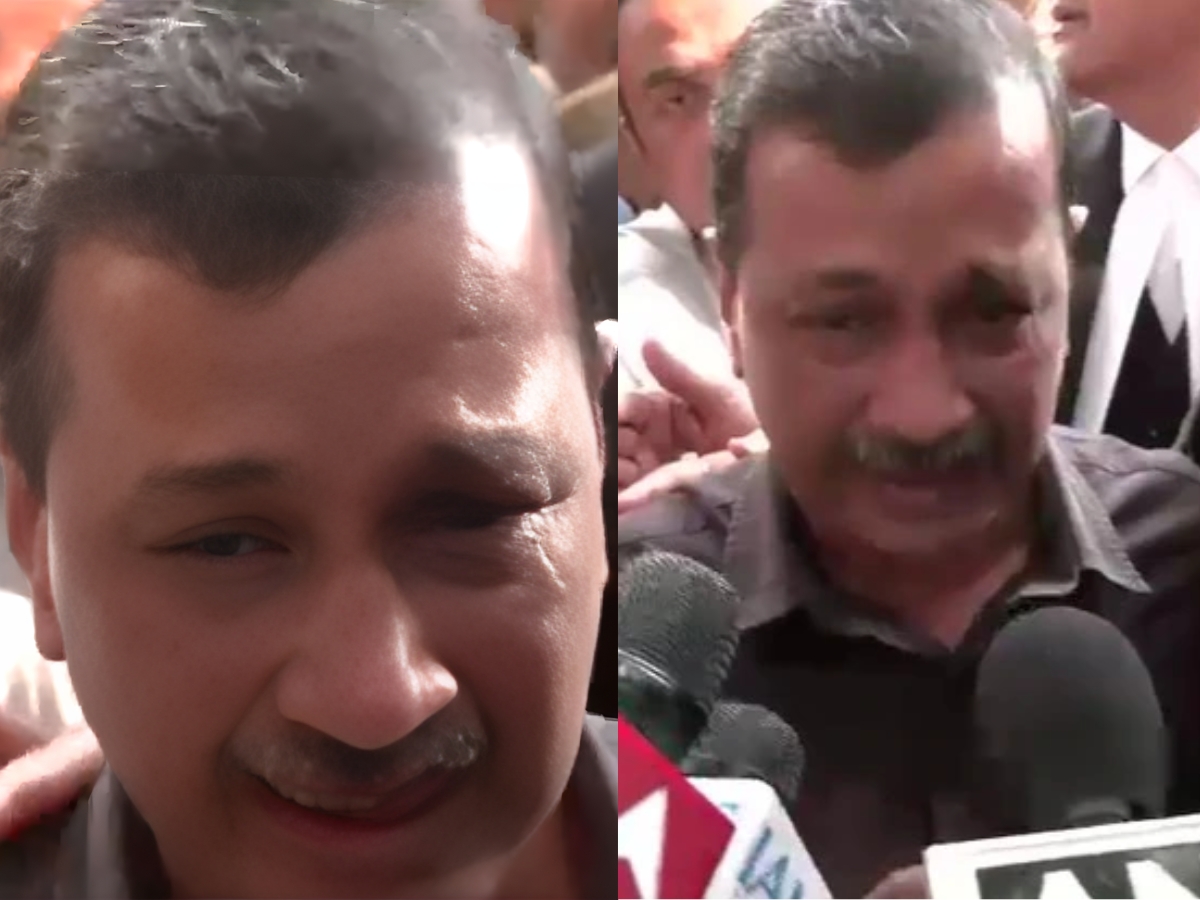
Speaking to reporters after the verdict, Kejriwal became emotional and said the judgment had vindicated him and his party colleague. “We always said that truth ultimately wins. A sitting chief minister was dragged out of his home and sent to jail. Mud was flung at us,” he said.
The case had cast a long shadow over the AAP leadership and was widely seen as a significant factor in the party’s recent electoral setbacks. With the acquittal, both leaders have secured major legal relief in one of the most high-profile political cases in recent years.