


app-store-logo
play-store-logo
February 6, 2026

Mahashivratri 2026: Date, Fasting Guidelines, and Difference Between Shivratri and Mahashivratri

The CSR Journal Magazine

While the terms Shivratri and Mahashivratri may appear similar, they signify different observances in the Hindu lunar calendar. Shivratri, meaning “night of Shiva”, occurs every month on the 14th night (Chaturdashi) of the waning moon phase. Devotees observe it to honor Lord Shiva, typically through night-long prayers and fasting.

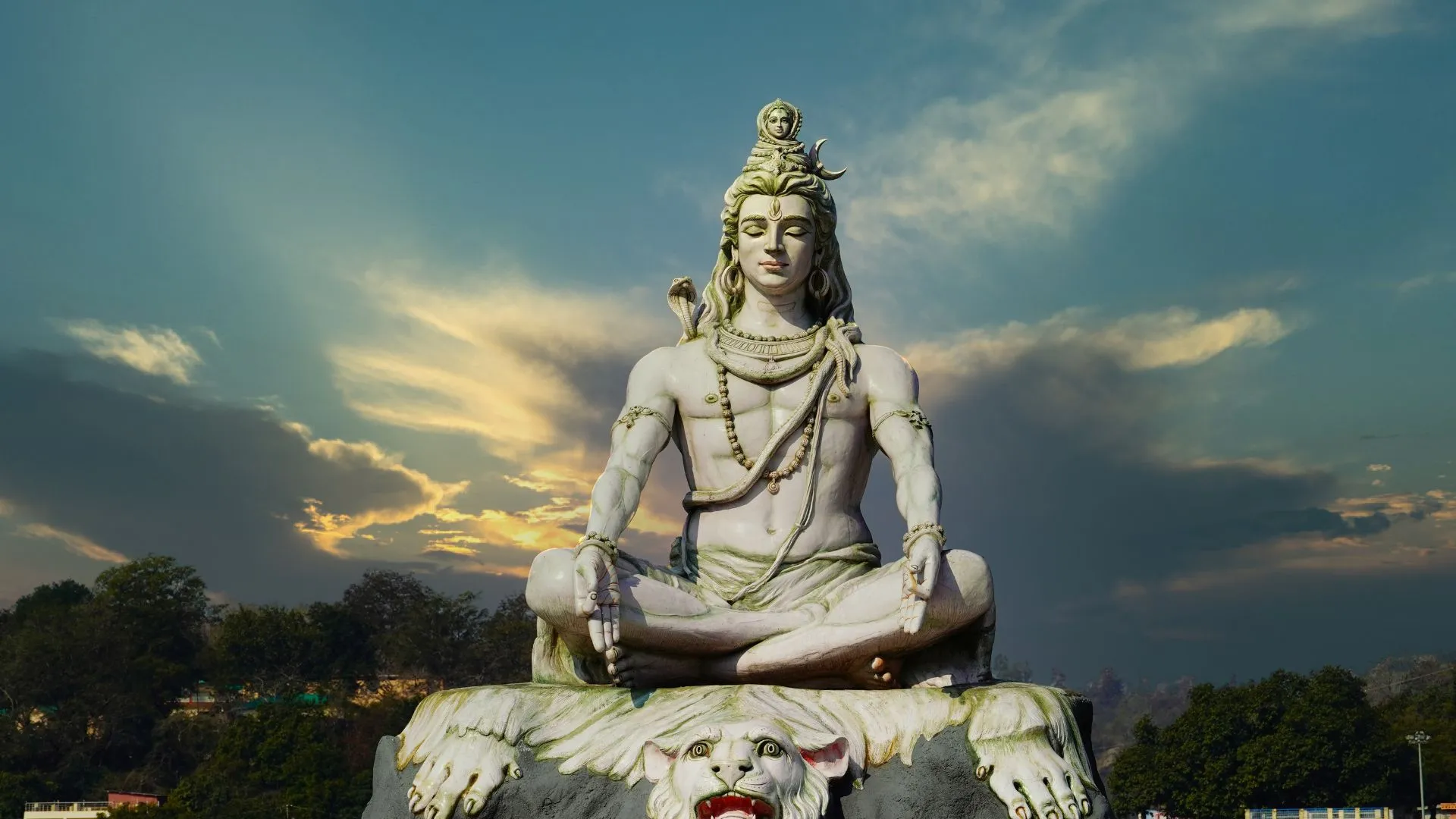
Mahashivratri, however, is celebrated only once a year and holds greater religious significance. It falls in the month of Phalgun (February–March) and is considered one of the most sacred nights for the worship of Lord Shiva. Unlike the monthly Shivratri, Mahashivratri is believed to mark the convergence of Shiva and Shakti, and is also traditionally associated with the divine marriage of Lord Shiva and Goddess Parvati.

Date of Mahashivratri in 2026

In 2026, Mahashivratri will be observed on Tuesday, February 17. According to the Hindu Panchang, the Chaturdashi Tithi of the Krishna Paksha in the Phalgun month will begin at 8:41 PM on February 17 and end at 6:25 PM on February 18. Traditional observances, including night-long worship and fasting, are typically held during the evening and night of February 17.

Fasting Rules and Worship Practices for Mahashivratri

Mahashivratri is marked by a day-long fast accompanied by specific religious rituals and offerings. Many devotees undertake a nirjala vrat, a strict fast without food and water, while others may observe a phalahar vrat, consuming only fruits and certain permitted items.

The day begins with early morning purification rituals, followed by prayers to Lord Shiva. Devotees often perform abhishekam, which involves bathing the Shiva Lingam with ingredients like water, milk, honey, yogurt, ghee, and sugar. Bel leaves, dhatura, sandalwood paste, and fruits are also offered. Temples witness large gatherings, and many people remain awake throughout the night, chanting mantras such as “Om Namah Shivaya” and participating in devotional singing and meditation.

According to tradition and scriptures, observing Mahashivratri with full devotion is believed to absolve past sins, bring peace of mind, and lead toward spiritual enlightenment. It is considered especially beneficial for those seeking the blessings of Lord Shiva for health, prosperity, and marital harmony.

Spiritual Importance of Mahashivratri

Mahashivratri holds a unique place among Hindu festivals due to its emphasis on introspection, prayer, and ascetic practices. Unlike other prominent Hindu celebrations that involve festive meals and social activities, this observance centers on solitude, silence, and disciplined worship. It is celebrated by followers of Shaivism across India and abroad, with temples organizing special rituals, processions, and elaborate decorations in honor of Lord Shiva.

Long or Short, get news the way you like. No ads. No redirections. Download Newspin and Stay Alert, The CSR Journal Mobile app, for fast, crisp, clean updates!

App Store –  https://apps.apple.com/in/app/newspin/id6746449540 

Google Play Store – https://play.google.com/store/apps/details?id=com.inventifweb.newspin&pcampaignid=web_share

Latest News

Popular Videos