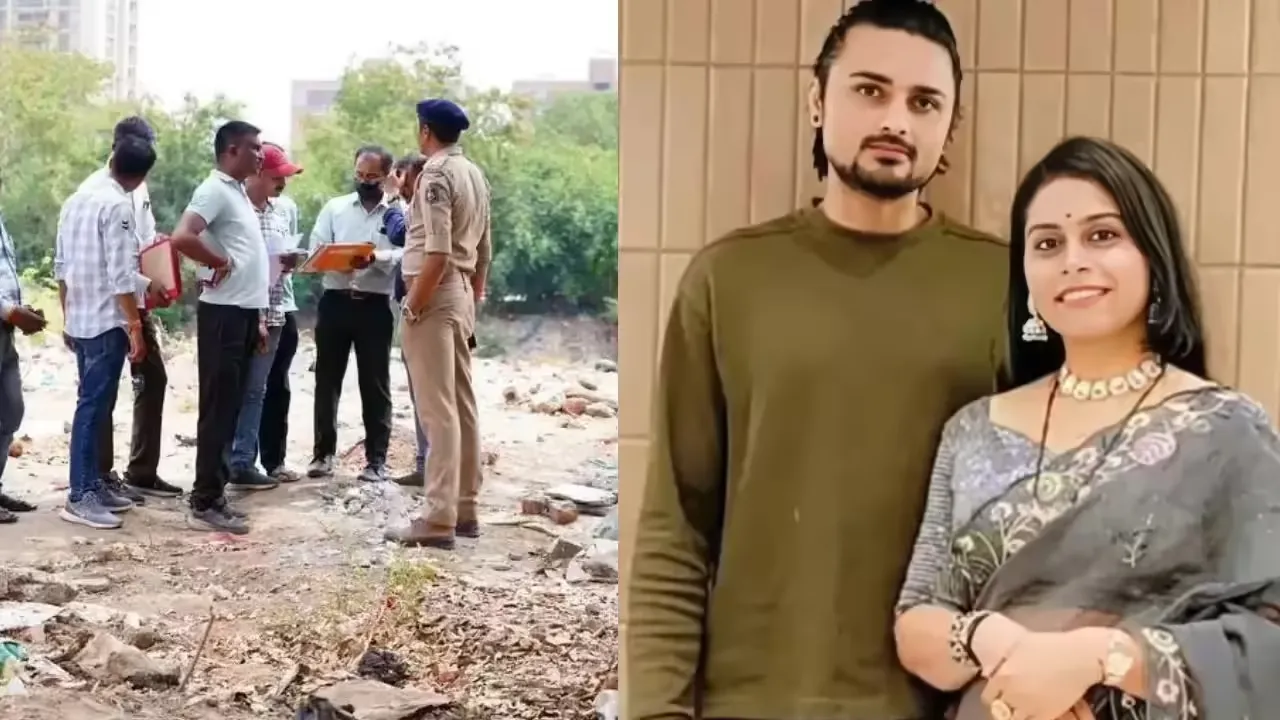

Recent events in Ahmedabad have led to a significant turn in the investigation concerning the tragic deaths of two young girls, aged four years and three months, allegedly linked to homemade dosa consumption. Following the passing of these children and the critical condition of their parents, initial forensic findings suggest a shift from food contamination towards the possibility of a mass suicide attempt. This development comes after police recovered a diary from the family home, which reportedly contains a vow concerning the desire to have a son.
Authorities have indicated that while the investigation is ongoing, the narrative around food contamination is being reconsidered. Blood tests from the surviving parents, Vimal and Bhavna Prajapati, have revealed unusually high levels of aluminium phosphate and zinc, suggesting that these substances could be crucial in determining the cause of the young girls’ deaths. The final conclusions await further results from the Forensic Science Laboratory (FSL).
Exploration of Possible Psychological Factors
The recovery of a personal diary has emerged as a pivotal point in the inquiry. Investigators noted that the diary reflects a strong yearning for a male child, featuring intentions to visit a temple following the birth of a son. This written account predates the birth of the couple’s second daughter, which occurred earlier in the year, and its contents are now coming under scrutiny as they may offer insights into potential familial or psychological factors affecting the parents.
In addition, police have seized packets identified as Celphos, a pesticide known to contain aluminium phosphide, from the residence. This discovery is being analysed to ascertain whether there was any consumption or exposure that could have contributed to the incident. The presence of such substances alongside the alarming blood test results has compelled law enforcement to further investigate the speculated “mass-suicide attempt” scenario.
In previous efforts to gather evidence, officials recorded statements from the owner and staff of the dairy shop from which the dosa batter was sourced, as well as from other customers. A review of CCTV footage has not revealed any indications that the batter was contaminated or unsafe for consumption, leaving investigators with no clear evidence supporting that theory.