


app-store-logo
play-store-logo
March 6, 2026

Congress Leader Pawan Khera Criticizes US Waiver to India on Russian Oil Purchases
The CSR Journal Magazine

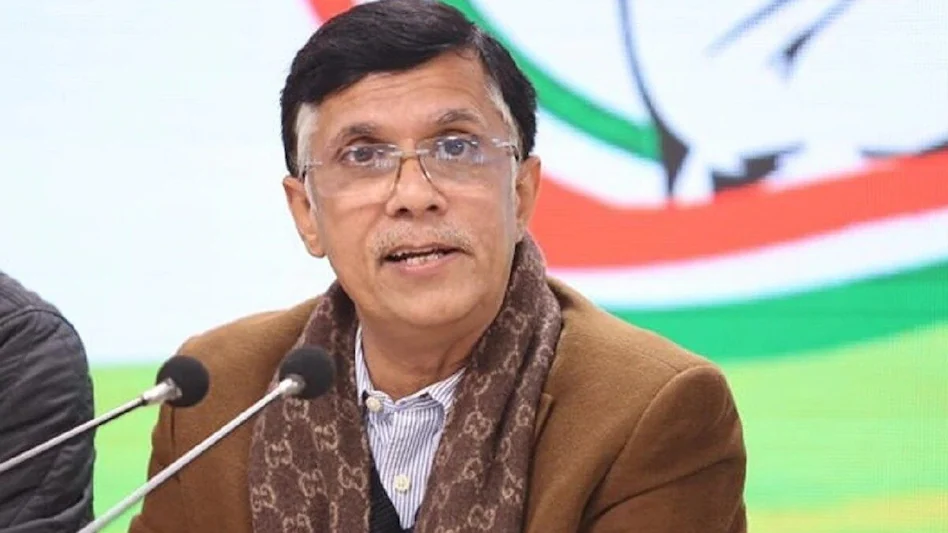
Pawan Khera, the Chairman of Congress’ Media and Publicity Department sharply criticised the Central Government following the announcement from the United States regarding a 30-day waiver that permits India to purchase Russian oil. The statement emerged amidst disruptions in shipping routes through the strategically important Strait of Hormuz.

Khera described the waiver as “alms” offered to India, questioning its legitimacy on the grounds that such waivers are typically associated with binding agreements, which he claims have not been established.

Khera emphasized that the provision of a 30-day waiver raises questions about the underlying agreements at play. He noted, “When is a waiver given? When someone is bound by an agreement. Has the agreement been signed? When there is no agreement, what is the need for a waiver?” These remarks highlight the Congress leader’s skepticism regarding the implications of the waiver and the government’s response to it.

US Intentions and India’s Future Oil Purchases

This announcement follows a social media update from the US Treasury Secretary, who indicated that the waiver was meant to facilitate the flow of oil into the international market. The US government perceives this measure as a necessary step to counterbalance Iranian influence amid ongoing geopolitical tensions. Furthermore, Washington expressed expectations that India would increase its purchase of American oil in light of this temporary concession.

Criticism of the Government’s Response to Iran’s Loss

In addition to the criticism surrounding the oil waiver, Khera also questioned the Indian government’s response to the recent passing of Iran’s Supreme Leader, Ayatollah Ali Khamenei. Khera noted the absence of public condolences or acknowledgment from Prime Minister Narendra Modi and External Affairs Minister S. Jaishankar on social media, despite Foreign Secretary Vikram Misri signing a condolence book at the Iranian Embassy in New Delhi. Khera stated that this raises concerns about the sincerity of such gestures and whether they are merely ceremonial, suggesting, “When someone expresses grief under pressure, do you think they are actually condoling?”

Khera further emphasized the historical relationship between India and Iran, arguing that despite evolving geopolitical friendships, Iran has been a consistent ally for India. His comments suggest a call for greater diplomatic sensitivity and acknowledgment of existing partnerships, juxtaposing current relations with Iran against the backdrop of new alliances the government might be pursuing.

Recent Events Heightening Regional Tensions

This dialogue occurs in the context of escalating tensions in the West Asian region following a joint US-Israel military operation that resulted in the death of Ayatollah Ali Khamenei and other prominent figures within Iran. Such events have incited a significant response from Tehran, leading to drone and missile assaults across several Arab countries. As the conflict enters its seventh day, these dynamics raise further questions about the stability and diplomatic strategies of nations involved.

The unfolding situation presents a complex web of international relations, with significant implications for energy policy and regional alliances. The discourse initiated by Khera indicates a broader concern regarding how India navigates its diplomatic engagements amid mounting international pressures and shifting allegiances.

Long or Short, get news the way you like. No ads. No redirections. Download Newspin and Stay Alert, The CSR Journal Mobile app, for fast, crisp, clean updates!

App Store –  https://apps.apple.com/in/app/newspin/id6746449540 

Google Play Store – https://play.google.com/store/apps/details?id=com.inventifweb.newspin&pcampaignid=web_share

Latest News

Popular Videos
