


Concerns Rise Over School Canteen Hygiene Amid Food Safety Violations Nationwide
The CSR Journal Magazine

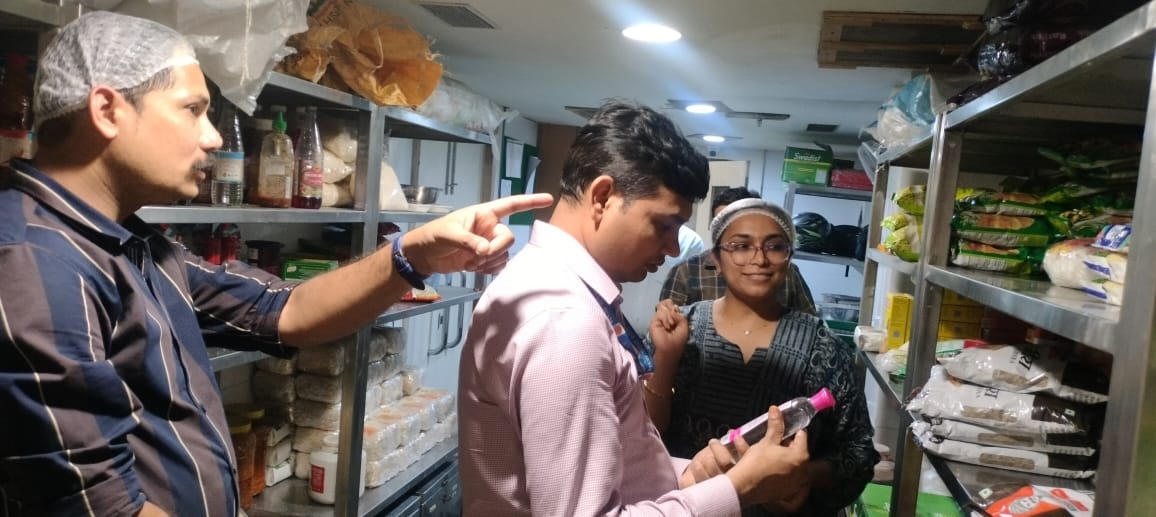
Over the last 20 months, more than 50 instances have surfaced nationwide, revealing serious hygiene issues in canteens of schools and colleges across India. Students from various educational institutions have repeatedly expressed concerns about inadequate food safety measures enforced by management. These incidents highlight systemic problems that are not limited to any one geographical area, but span from the North to the South and the East to the West. A recent occurrence at Rajiv Gandhi Proudyogiki Vishwavidyalaya in Bhopal involved students claiming that a dead lizard was discovered in their meal. A video captured a canteen worker attempting to dismiss the allegation by eating the object, referring to it as a piece of capsicum. Following this, the university established an inquiry committee to investigate the matter.

Recent Incidents Illustrate Deepening Crisis

In another incident at AIIMS Nagpur, students reported finding a deep-fried caterpillar, insects in fruits, and foreign materials within their cooked meals. Continuous complaints have highlighted ongoing hygiene concerns in the hostel mess. In Greater Noida, a food safety inspection in Lloyd College’s hostel earlier this year revealed poor hygiene practices and inadequate sanitation after students reported the presence of insects in their food. Officials subsequently issued formal notices. At IIIT Hyderabad, similar reports emerged regarding the presence of cockroaches and flies in meals. In Bihar’s Banka district, students from a government engineering college claimed to have found what appeared to be snake parts in their food, resulting in at least 11 students requiring medical attention.

Questions of Accountability and Regulation

The rise in complaints concerning food hygiene across both private and public institutions presents a pressing dilemma. As India seeks to elevate its education system to global standards, the neglect of basic hygiene protocols in educational environments raises several critical questions. Despite the existence of a structured food safety framework overseen by the Food Safety and Standards Authority of India (FSSAI), which sets forth clear hygiene and quality norms, the frequency of such complaints suggests glaring gaps, particularly in enforcement rather than regulation.

Escalating Complaints and Student Activism

The troubling trend is not solely about individual incidents; rather, it revolves around their escalating frequency and institutional responses. At Osmania University in Hyderabad, students reportedly protested after discovering worms in hostel food, with multiple cases of illness arising from these conditions. In Pune, students at Savitribai Phule Pune University documented repeated instances of worms, hair, and foreign objects in food served at campus canteens. Videos showcasing such incidents proliferated on social media, igniting outrage yet prompting minimal lasting change. Students at BJB College in Bhubaneswar faced similar situations, where complaints about insects in meals went largely ignored until protests ensued. This narrative of discontent is echoed at Acharya Nagarjuna University in Andhra Pradesh, where students demonstrated to voice their dissatisfaction with food quality.

Underlying Structural Issues in Food Safety

Food safety experts attribute these recurring problems to deeper structural deficiencies. Although FSSAI regulations mandate hygiene audits and licensing procedures, local authorities often lack the capability or will to enforce these standards consistently. Inspections tend to be either reactive or periodic, allowing lapses to persist unchecked. Many campuses outsource their food services to private vendors, which complicates accountability and divides responsibility between educational institutions and contractors. While some corrective actions, such as inspections and vendor changes, occur in response to public outcry, these are often reactive and do not address the broader systemic issues. For instance, post-incident measures at Bihar’s engineering college included changing food vendors and requiring faculty to dine with students, yet these actions may only produce temporary reassurance without addressing the root causes.

Health Risks and Broader Implications

The immediate consequences of these hygiene breaches are evident, with students frequently experiencing illness, nausea, and food poisoning. However, the long-term effects remain underreported. Continued exposure to contaminated food can result in chronic health issues over time. For students residing in hostels, where dining options are limited, the risks become perennial. There exists a psychological component, as students develop anxiety regarding the safety of their meals. This concern may lead them to seek external food sources, imposing additional financial burdens and undermining nutritional intake. The confusion over accountability further complicates the matter, as institutions shift blame onto vendors, who in turn cite operational challenges. Following complaints, authorities might step in, but this cycle often leaves accountability ambiguous. Ultimately, food safety in educational settings is still relegated to a secondary status, despite significant investments in cultivating leading educational infrastructure and international collaborations. Basic issues of food hygiene continue to persist unchecked.

Long or Short, get news the way you like. No ads. No redirections. Download Newspin and Stay Alert, The CSR Journal Mobile app, for fast, crisp, clean updates!

App Store –  https://apps.apple.com/in/app/newspin/id6746449540 

Google Play Store – https://play.google.com/store/apps/details?id=com.inventifweb.newspin&pcampaignid=web_share

Latest News

Popular Videos
