


app-store-logo
play-store-logo
January 9, 2026

Cold Feet Chronicles: Why Winter Always Starts at Your Toes
The CSR Journal Magazine

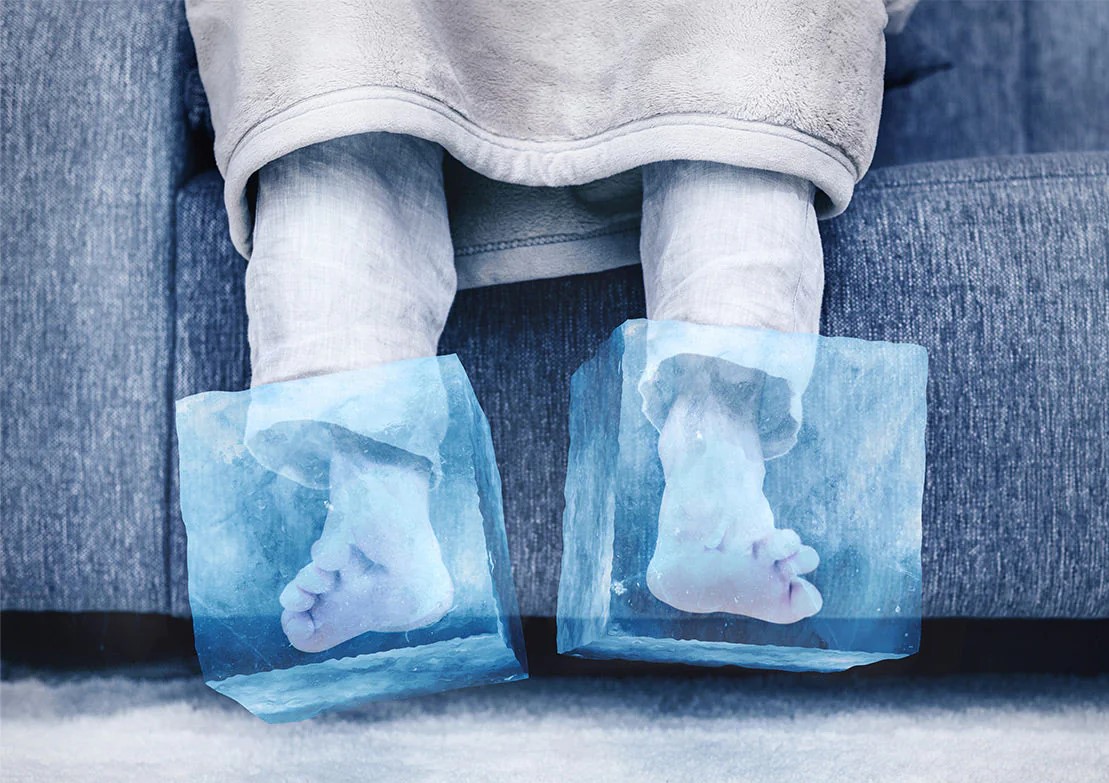
The first real sign of winter isn’t the foggy mornings or the extra blanket on your bed. It’s that moment when your feet touch the floor and you instantly regret it. Cold feet are one of winter’s most common complaints, and yet they remain oddly mysterious. Why do toes seem to freeze before anything else? The answer lies in how the body reacts to cold, and it’s more relatable than you might think.

When the temperature drops, your body switches into protection mode. Its priority is simple: keep your vital organs warm and functioning. To do that, it quietly cuts back on blood flow to less critical areas like your feet and hands. This means less warm blood reaching your toes, even if the rest of your body feels fine. It’s not personal—your body is just choosing survival over comfort.

Why Blood Flow Slows Down in the Cold?

Cold weather makes blood vessels tighten, a natural response called vasoconstriction. Think of it as your body closing tiny doors to prevent heat from escaping. Unfortunately, the feet are among the first places affected. With narrowed blood vessels and already limited circulation, your toes lose warmth quickly, making them feel cold, stiff, or even numb within minutes.

Heat comes from movement, and during winter, feet don’t get much of it. Unlike your legs or core, your feet usually stay still—tucked under a desk, inside shoes, or under a blanket. With very little muscle activity, they produce minimal heat. The longer they stay inactive, the colder they feel, no matter how many layers you add on top.

Feet are not designed for insulation. They have thinner skin and very little fat padding compared to other parts of the body. Fat helps trap warmth, but toes don’t get that luxury. This makes it easier for heat to escape, especially when the weather is cold or the floor beneath you feels like ice. It’s why even indoors, your feet can feel colder than the rest of you.

For some people, cold feet aren’t just seasonal—they’re constant. Conditions like poor circulation, anemia, or diabetes become more noticeable in winter. Reduced blood flow combined with low temperatures makes it harder for warmth to reach the feet. What feels like mild chill for one person can feel intense and uncomfortable for another.

Nothing steals warmth faster than moisture. Slightly damp socks—whether from sweat, rain, or morning dew—pull heat away from your skin. Water transfers heat faster than air, which is why wet feet feel instantly colder. Even high-quality socks won’t help if they’re damp, making moisture control just as important as insulation.

Feet are constantly in contact with the ground, and cold surfaces show no mercy. Tiles, marble, and concrete drain heat rapidly, especially in winter. Standing or walking barefoot on cold floors lowers foot temperature quickly, and once the cold settles in, it takes time to shake off.

Why Cold Feet Deserve Attention?

Cold feet may sound harmless, but persistent coldness, numbness, or color changes shouldn’t be ignored. Sometimes, they’re your body’s way of asking for better circulation, movement, or care.

Warm socks, dry footwear, regular movement, and avoiding cold floors can make a big difference. Winter doesn’t have to start at your toes. When you understand why your feet get cold, it becomes easier to keep them warm—and a lot harder for winter to ruin your day.

Long or Short, get news the way you like. No ads. No redirections. Download Newspin and Stay Alert, The CSR Journal Mobile app, for fast, crisp, clean updates

App Store – https://apps.apple.com/in/app/newspin/id6746449540

Google Play Store – https://play.google.com/store/apps/details?id=com.inventifweb.newspin&pcampaignid=web_share

Latest News

Popular Videos
