


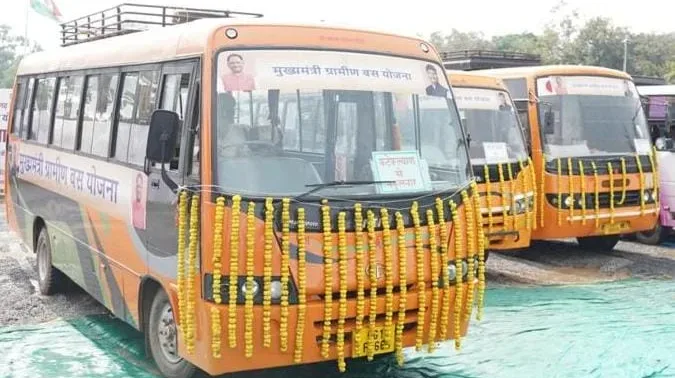

The forest area of Sukma in Chhattisgarh, long isolated from mainstream society due to Naxal violence and poor infrastructure, is witnessing a remarkable transformation. The onset of the “Chief Minister’s Rural Bus Scheme” has introduced reliable transportation options in a region historically characterized by instability and danger.
With the support of Prime Minister Narendra Modi and Chief Minister Vishnu Deo Sai, significant security measures, road construction, and other infrastructure projects are reshaping the connectivity landscape in Naxal-affected communities.
Connecting Remote Areas to Essential Services
This initiative aims to link the remote villages of the Bastar Division with district and divisional headquarters, facilitating access to vital services such as healthcare, education, and employment opportunities. The functioning of buses in once-inaccessible locations like Sukma, Kistaram, Gollapalli, and Jagargunda underscores the importance of collaborative efforts between security and development in accelerating change. P. Sundarraj, Inspector General of Bastar, remarked that enhancing connectivity for forest and border communities remains a top priority, with ongoing construction efforts improving the situation.
Clearing Hurdles to Transportation
Sukma Superintendent of Police Kiran Chauhan detailed how Naxalite activities severely disrupted connectivity in the region, but recent security advancements have substantially improved the situation. Important areas like Kistaram, Gollapally, and Todnapal are now accessible by road, allowing bus services to resume. According to Chauhan, this revitalization has significantly eased the villagers’ hardships, enabling them to travel for essential needs and access necessary services more conveniently.
Positive Feedback from Local Drivers and Passengers
Bus drivers and passengers have expressed their appreciation for the newly operational services. Driver Kishore Kumar Sethia noted the increased safety in driving through previously hazardous areas following the establishment of security camps. Before this development, residents faced significant challenges, often having to walk long distances for basic services. The introduction of the bus service has eliminated these difficulties, offering a more reliable mode of transportation.
Addressing Transportation Challenges
Another driver, Puran Singh, highlighted improvements in road conditions while acknowledging ongoing repairs in certain areas. He reflected on how the rural bus scheme is greatly beneficial for villagers, facilitating travel between Sukma and Badesetti. Passengers have also shared their experiences; for many, the regular bus service has drastically reduced travel times and improved access to critical destinations.
A New Era of Accessibility and Development
Passengers such as Fujja Vetti and Vetti Ganga have noticed a significant reduction in travel-related difficulties, reporting that the recent changes have provided immense relief, particularly for vulnerable groups like the disabled and elderly. Previously faced with unsafe routes and long waits, villagers now benefit from consistent transport options that connect them to larger towns and cities. The collaborative efforts between state and central governments have, therefore, forged a new path towards development in these previously underdeveloped areas.
Safety and Convenience in Daily Commuting
The rural bus initiative not only represents improved infrastructure but also symbolizes a renewed sense of security for the local population. Women and families previously burdened by logistical challenges now find it easier to access education and healthcare services. The increasing frequency of bus services signifies a positive shift, fostering a safer and more integrated community in a region that has long struggled with conflict and deprivation.