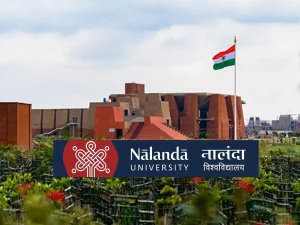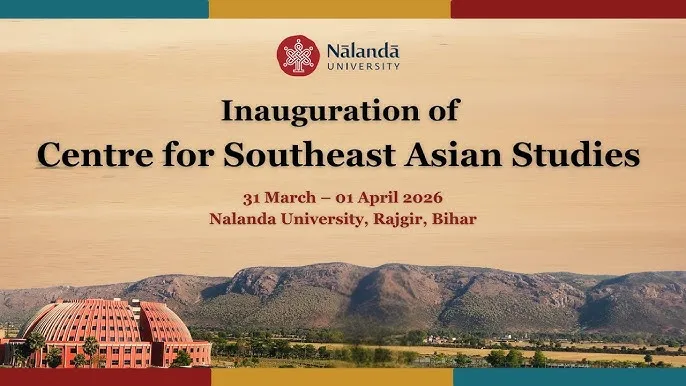

The Centre for Southeast Asian Studies at Nalanda University in Rajgir, Bihar, was officially inaugurated by P Kumaran, Secretary (East) in the Ministry of External Affairs. This event took place on Tuesday and was attended by a variety of dignitaries, including ambassadors, high commissioners, representatives from partner countries, vice chancellors from several universities, and faculty members of Nalanda University. The establishment of this centre is rooted in a commitment made by Prime Minister Narendra Modi at the 22nd ASEAN-India Summit in Kuala Lumpur, which was held in October 2025.
Research and Educational Focus Areas
According to information released by the Ministry of External Affairs, the Centre will be organized into ten interdisciplinary research clusters. These clusters will cover a broad range of subjects such as climate and maritime studies, trade, heritage, public health, migration, digital cooperation, and international relations. The role of the Centre is anticipated to align with the ASEAN-India Comprehensive Strategic Partnership Plan of Action for 2026-2030, aiming to strengthen academic collaboration between India and Southeast Asia. The initiative is expected to facilitate policy engagement and enhance cultural and civilizational links between the two regions.
Convocation Ceremony Celebrates Academic Achievements
On the same day as the centre’s inauguration, President Droupadi Murmu addressed the convocation ceremony of Nalanda University. During her speech, she emphasized the enduring value of knowledge and the importance of dialogue in serving humanity. The President congratulated the graduating class on their achievements, attributing their success to hard work, discipline, and a commitment to learning. Notably, over half of the graduates were international students from more than 30 nations.
Historical Significance of Nalanda University
President Murmu reflected on the historical significance of Nalanda University, which excelled as a major center of learning for nearly eight centuries. She described the decline of the university as a significant loss, not just for India but for the global community. However, she expressed optimism about its renaissance, stating that it signifies a renewed national and international dedication to reviving the institution’s rich legacy in today’s context.
External Affairs Minister’s Remarks on Future Contributions
External Affairs Minister S. Jaishankar was also present at the convocation, where he praised the university’s development and his association with its progress. He discussed the intersections of tradition, technology, and global diplomacy, recognizing the importance of such events for shaping the university’s future. In his address, he urged graduates to actively contribute to the continued growth of Nalanda University.