


Celebration of Hanuman Jayanti Across Various Indian States
The CSR Journal Magazine

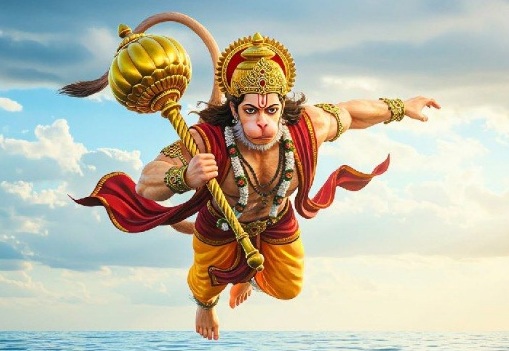
Hanuman Jayanti, marking the birth of Lord Hanuman, is an important religious event celebrated with fervor in northern states like Uttar Pradesh, Delhi, Haryana, and Bihar. The day is often observed on Chaitra Purnima, attracting numerous devotees. Traditionally, celebrations commence with a morning ritual, including a holy bath and visits to Hanuman temples. Throughout the day, devotees participate in special prayers and aartis. Many choose to fast, breaking their fast only after evening prayers. Recitation of the Hanuman Chalisa and other devotional texts plays a significant role, and temples are adorned with flowers and lighting. Prasad such as boondi and ladoos is shared among the faithful.

Maharashtra’s Grand Processions and Community Spirit

In Maharashtra, Hanuman Jayanti stands out for its vibrant processions and communal spirit. Noteworthy is the Shobha Yatra, during which idols of Lord Hanuman are paraded through the streets accompanied by music, chanting, and devotion. Large groups of devotees come together for this event. Temples engage in continuous recitations of the Ramayana and Hanuman Chalisa. Additionally, community feasts, known as bhandaras, are organized to provide free meals to attendees, highlighting the festival’s emphasis on community and shared faith.

Distinct Timings and Rituals in Karnataka & Andhra Pradesh

In Karnataka and Andhra Pradesh, the timing of Hanuman Jayanti can differ from the celebrations in North India. Karnataka often observes the festival during Margashirsha, which falls in December or January, while in Andhra Pradesh and Telangana, the celebrations may begin on Chaitra Purnima and extend over several days. Devotees engage in applying sindoor (vermilion) on Hanuman idols, offering betel leaves, and enacting special pujas. These states see significant temple attendance, with arrangements for bhajans and kirtans adding to the spiritual atmosphere.

Spiritual Observances in Tamil Nadu and Kerala

In Tamil Nadu and Kerala, Hanuman Jayanti emphasizes spiritual discipline alongside temple rituals. Celebrations begin early in the day with devotees visiting temples to present offerings such as butter, vada mala (garlands made of vadas), and tulsi leaves to Lord Hanuman. Rituals like special abhishekam, or ceremonial bathing of the deity, are customary. The observances tend to be quieter and focused on devotion, with prayer chanting and scripture readings forming the core of the celebrations.

Fasting, Charity, and Devotion in Gujarat and Rajasthan

In Gujarat and Rajasthan, the observance of Hanuman Jayanti involves fasting, charitable acts, and spiritual gatherings. Devotees typically observe a vrat, visit temples, and are active participants in satsangs (spiritual meetings). A prevalent tradition is the recitation of the Hanuman Chalisa a total of 108 times. Charity holds special significance during this period, with many people making donations of food, clothing, and essential items to those in need, fulfilling their religious obligations. Across regions, Hanuman Jayanti highlights India’s rich cultural diversity while fostering a unifying spirit of devotion towards Lord Hanuman.

Long or Short, get news the way you like. No ads. No redirections. Download Newspin and Stay Alert, The CSR Journal Mobile app, for fast, crisp, clean updates!

App Store –  https://apps.apple.com/in/app/newspin/id6746449540 

Google Play Store – https://play.google.com/store/apps/details?id=com.inventifweb.newspin&pcampaignid=web_share

Latest News

Popular Videos
