


CBSE Mandates Menstrual Health Guidelines in Schools to Boost Hygiene, Awareness, and Support
The CSR Journal Magazine

In a landmark decision, the Central Board of Secondary Education (CBSE) has mandated that all affiliated schools adopt comprehensive practices for menstrual hygiene management (MHM). This initiative follows a ruling from the Supreme Court of India, which ruled on January 20, 2026, that menstrual health is an integral part of the right to dignity under Article 21 of the Constitution. The court noted that insufficient facilities and ongoing stigma affect girls’ education significantly, leading to increased absenteeism and in some instances, early school dropouts. It emphasized the necessity for schools to transform into safe and supportive environments for adolescent girls.

CBSE Outlines Comprehensive Implementation Framework

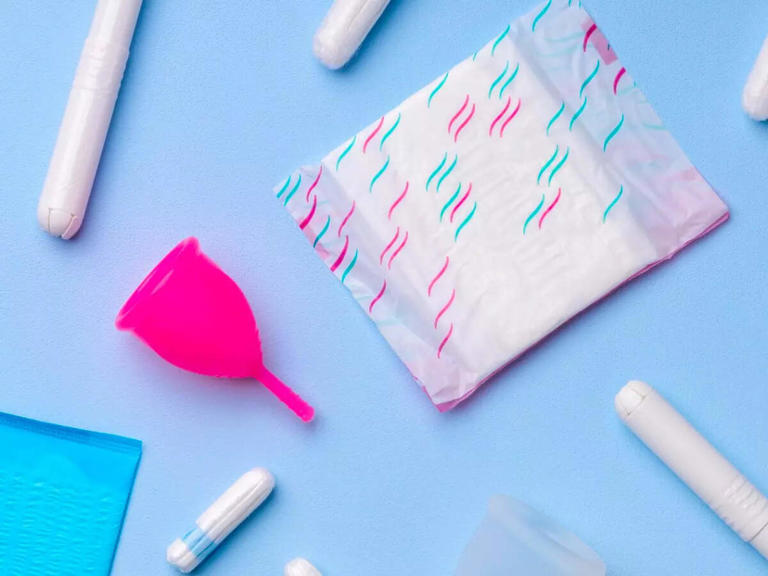
In alignment with directions from the Ministry of Education, CBSE has established a series of mandatory protocols for educational institutions. These include improvements to sanitation infrastructure, which requires the availability of clean, private toilets and washing areas specifically designated for girls. Furthermore, schools are tasked with ensuring that sanitary napkins, preferably biodegradable, are readily accessible. The directive mandates the establishment of dedicated MHM corners on school campuses and the implementation of effective disposal systems for menstrual waste to uphold hygiene and protect environmental standards.

Focus on Education and Awareness

In addition to infrastructural upgrades, CBSE has placed significant importance on education and awareness regarding menstrual health. Schools are encouraged to organize structured awareness programmes that cover topics such as menstruation and puberty. These initiatives are intended to foster open dialogues among students, consistent with the guidelines provided by the National Council of Educational Research and Training and state-level State Council of Educational Research and Training (SCERT) frameworks. The objective is to cultivate a gender-sensitive atmosphere where students can discuss menstrual issues without any reservations.

Monitoring Mechanisms and Accountability Measures

To ensure the effective implementation of these guidelines, CBSE has instituted a monitoring mechanism. District Education Officers will perform regular inspections, while educational institutions must submit monthly compliance reports through an online platform. The deadlines for initial submissions have been set for March 31 and April 30, 2026. This recent directive represents a pivotal shift towards creating a more inclusive educational environment and is expected to contribute positively towards improving attendance, enhancing confidence among female students, and establishing a more equitable learning experience throughout India.

Long or Short, get news the way you like. No ads. No redirections. Download Newspin and Stay Alert, The CSR Journal Mobile app, for fast, crisp, clean updates!

App Store –  https://apps.apple.com/in/app/newspin/id6746449540 

Google Play Store – https://play.google.com/store/apps/details?id=com.inventifweb.newspin&pcampaignid=web_share

Latest News

Popular Videos
