


BRICS Declaration Addresses Unilateral Trade Tariffs and Coercive Measures
The CSR Journal Magazine

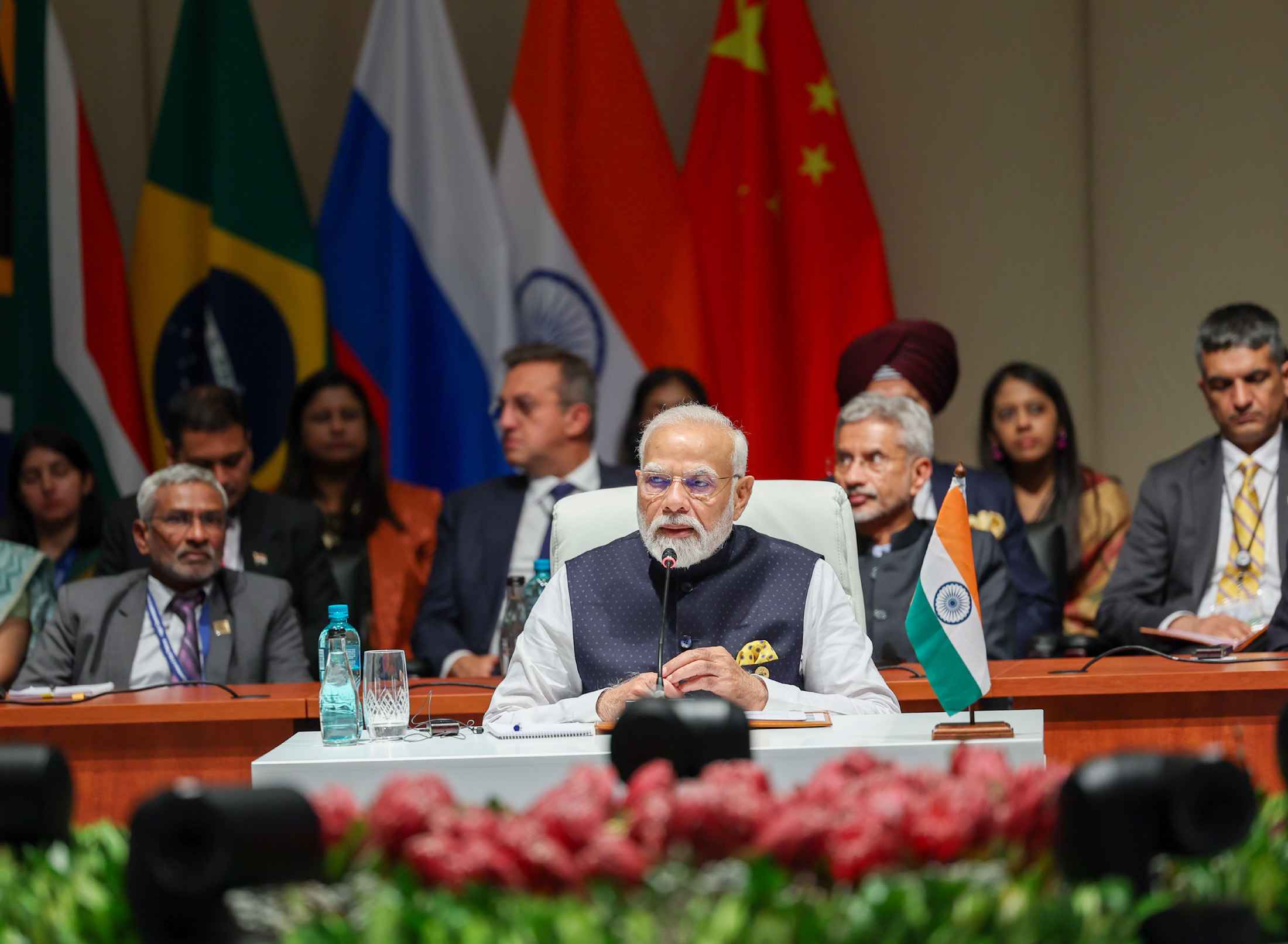
The recent BRICS declaration has expressed significant apprehension regarding the imposition of unilateral tariffs by certain nations. The statement underscores the belief that such measures contravene international law and disrupt global trade dynamics. Member countries have emphasised that these actions not only adversely affect their economies but also contribute to rising tensions in international trade relations.

During discussions held on September 12, 2026, participants highlighted the importance of mutual respect and dialogue. They pointed out that unilateral actions could lead to retaliatory measures, which would further escalate disputes. The call for multilateral engagement was framed as essential for the stability of the global trading environment.

Coercive Measures Criticised in Joint Statement

In addition to discussing tariffs, the BRICS nations collectively condemned coercive economic measures that may be exercised by larger economies against smaller ones. These practices, they argue, undermine the principles of fairness and equal opportunity in global markets. The declaration articulated a commitment to oppose such tactics, which they believe exploit economic dependencies and create imbalance.

Member states asserted that economic coercion not only damages the targeted countries but also risks alienating potential partners in the international community. They urged all nations to prioritise diplomatic solutions and constructive interactions to resolve disputes. It was noted that collaborative approaches could yield more sustainable outcomes for all parties concerned.

Furthermore, BRICS countries reiterated their belief in a rules-based international trading system. They encourage all nations to honour their commitments under international trade agreements and to refrain from any actions that could hinder progress towards a more equitable global economy.

Importance of Dialogue for Future Relations

The declaration strongly advocated for dialogue as a primary means to address trade-related issues, with a clear message that open communication is crucial for fostering positive international relations. Member states recognised that discussions could lead to innovative solutions and strengthen cooperation amongst countries, fostering a more interconnected global economy.

By prioritising dialogue, BRICS members expressed their readiness to engage with other nations to resolve conflicts amicably. They emphasised that collaborative efforts are necessary to navigate the complexities of contemporary trade challenges. With the current backdrop of global economic uncertainties, maintaining channels of communication is viewed as incredibly significant.

As discussions develop, BRICS aims to work towards establishing frameworks that can help mitigate trade tensions. The commitment to constructive dialogue represents not only a strategy for addressing current issues but also a pathway towards ensuring lasting peace and stability in international trade relations.

Long or Short, get news the way you like. No ads. No redirections. Download Newspin and Stay Alert, The CSR Journal Mobile app, for fast, crisp, clean updates!

App Store –  https://apps.apple.com/in/app/newspin/id6746449540 

Google Play Store – https://play.google.com/store/apps/details?id=com.inventifweb.newspin&pcampaignid=web_share

Latest News

Popular Videos
