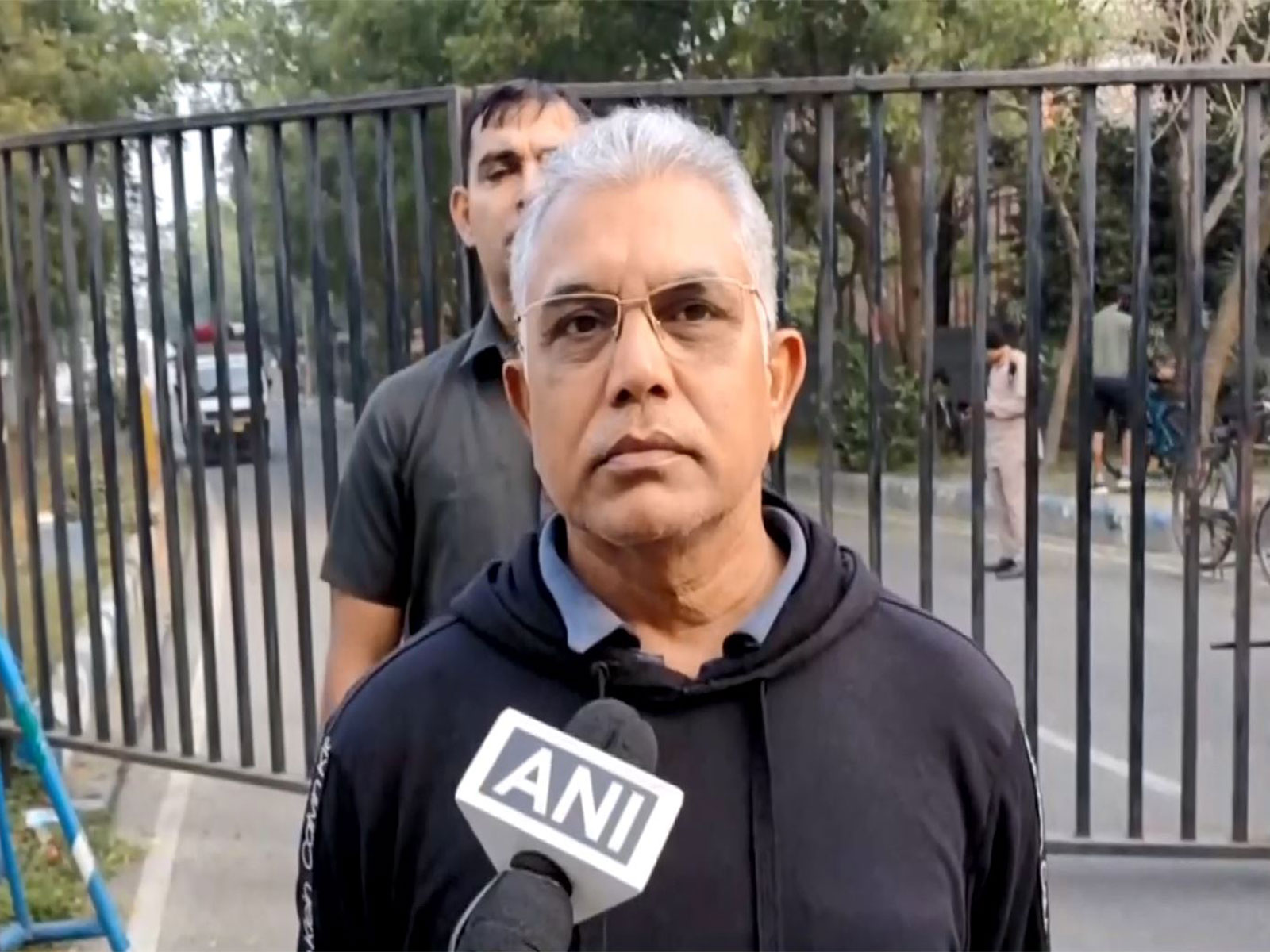
Bharatiya Janata Party (BJP) leader Dilip Ghosh has condemned Jan Unnayan Party chief Humayun Kabir’s suggestion of constructing a mosque in Murshidabad named after Babar. Ghosh emphasised that such an initiative would not be accepted by society. Speaking to ANI, he stated that the construction of a mosque is permissible, but a name associated with Babar is not suitable for this country. Ghosh highlighted the successful fundraising for the Ram Temple, where contributions have exceeded expectations both from within India and abroad.
Ghosh’s Comments on Community Sentiments
Ghosh further elaborated that many previous attempts to name institutions after Babar have faced rejection from society. He asserted that the Ram Temple represents a collective effort and has been supported by people from diverse communities. “The society will not accept this,” he said, referring to the proposed mosque’s name. His statements reflect a broader sentiment within his party regarding historical figures associated with contentious periods in India’s past.
Humayun Kabir’s Response to Criticism
In contrast, Humayun Kabir expressed confidence in the proposed construction of the new ‘Babri Masjid’ in Rejinagar, Murshidabad. He claimed strong support from the Muslim community for the initiative. Addressing the issue, Kabir stated that his relationships with non-Muslim individuals are positive and that his primary interest lies in promoting the well-being of all communities. “The Muslim population supports the Babri Masjid. This Babri Masjid will be built for sure,” he asserted, emphasising collaboration rather than conflict.
Launch of ‘Babri Yatra’ March by Humayun Kabir
Recently, Kabir commenced the ‘Babri Yatra,’ a march starting from Plassey in Nadia district and headed to Rejinagar in Murshidabad. This initiative aims to cover 285 kilometers, bringing attention to matters associated with the Babri Masjid. Kabir mentioned that the march symbolises the ongoing efforts to establish the mosque, with participants rooted in communal solidarity. He noted that this yatra represents a significant step in highlighting the importance of the Babri Masjid for the local community and its supporters.
Community Perspectives on the Issue
The debate surrounding the mosque’s construction embodies broader societal sentiments and conflicts regarding historical narratives in India. While the Jan Unnayan Party seeks to assert its vision for the mosque, leaders like Ghosh represent counter-views that aim to maintain specific historical legacies. This discussion reflects ongoing challenges in reconciling diverse perspectives within a multicultural society. As these developments unfold, they provoke discussions about identity, heritage, and community cohesion in contemporary India.