


BJP Secures 16 Seats in Recent Legislative Council Elections
The CSR Journal Magazine

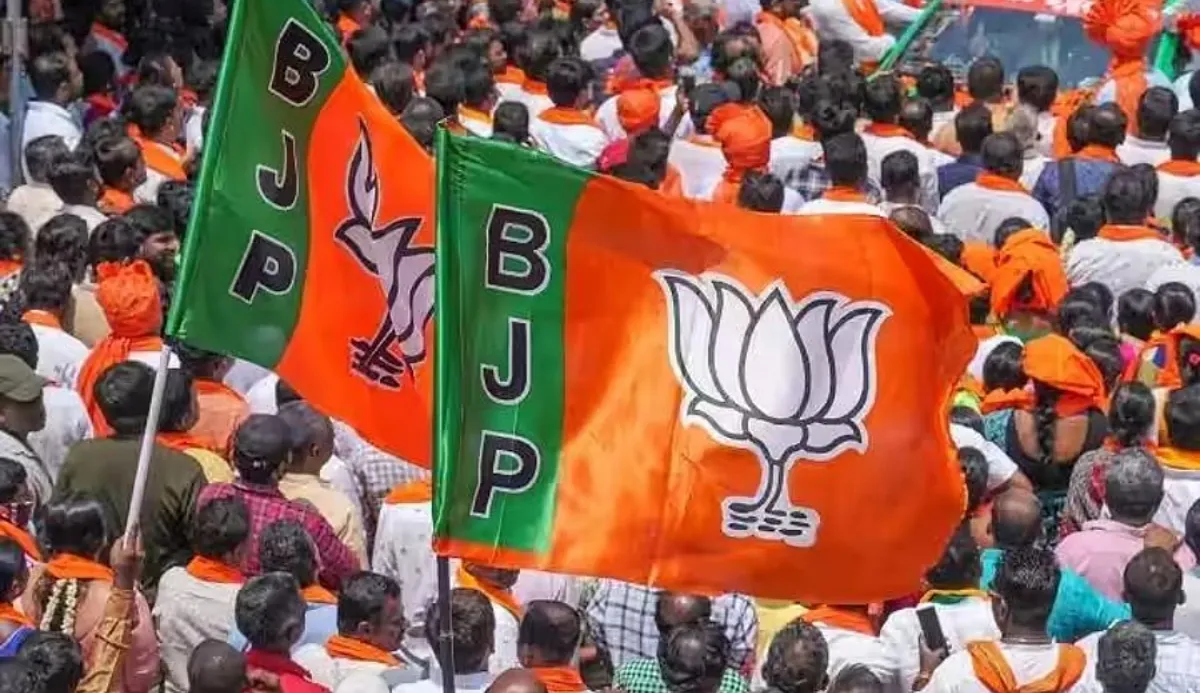
The latest round of Legislative Council elections has prompted Prime Minister Narendra Modi to celebrate the BJP-led National Democratic Alliance’s success in securing 16 out of the 28 contested seats across Uttar Pradesh, Bihar, Maharashtra, and Karnataka. The Samajwadi Party followed with five seats, while the Congress managed to secure one, with the remaining seats going to other parties and Independents.

These results have been interpreted through the familiar lens of political success and failure. However, the outcomes also highlight the limitations of such interpretations. In Uttar Pradesh, the BJP won six seats, narrowly defeating the Samajwadi Party, which secured five. This result may encourage Akhilesh Yadav’s supporters to view it as a positive sign ahead of the 2027 Assembly elections. In Karnataka, the BJP-Janata Dal (Secular) alliance swept all four seats, marking a setback for the ruling Congress party.

Maharashtra saw the Congress winning in the Nagpur Graduates’ constituency, defeating the BJP in a region associated with prominent leaders Devendra Fadnavis and Nitin Gadkari. Bihar produced another unexpected outcome, with Prashant Kishor’s Jan Suraaj Party triumphing over the Congress in the Darbhanga Teachers’ constituency. While these results are intriguing, they raise questions about their representativeness, given that the elections were limited to specially registered graduates and teachers.

Legislative Councils in India

India currently has six states with Legislative Councils: Uttar Pradesh, Bihar, Maharashtra, Karnataka, Andhra Pradesh, and Telangana. These councils have their origins in colonial governance, which aimed to accommodate selected interests while maintaining control over the masses. The Montagu-Chelmsford reforms of 1919 and the Government of India Act of 1935 institutionalised bicameral legislatures, reflecting a philosophy that linked political participation to property, education, and social status.

After gaining independence, India made a significant shift by granting equal voting rights to all adults. Nonetheless, it retained a structure that affords special electoral privileges to graduates and teachers. According to Article 171 of the Constitution, approximately one-third of a Legislative Council is elected by local authorities, another third by MLAs, one-twelfth by graduates, and one-twelfth by teachers, with the remaining one-sixth nominated by the Governor.

This arrangement raises concerns regarding its relevance. For instance, a university graduate who obtained a degree three years ago qualifies for special electoral participation, while individuals with extensive practical experience, such as farmers or artisans, do not have similar entitlements. Such discrepancies prompt questions about the rationale behind reserving legislative representation for specific professions.

Legislative Councils: A Question of Relevance

Historically, Legislative Councils were seen as a platform for scholars and distinguished individuals to contribute to legislative scrutiny without the pressures of electoral politics. However, in practice, they often serve as a refuge for political loyalists and individuals whose utility to party leadership outweighs their electoral appeal. This trend is not confined to any single political party, as Congress, BJP, and regional parties have all utilised these councils for political expediency.

While there have been capable legislators within these councils, the system frequently prioritises political rehabilitation over genuine legislative contribution. The comparison with the Rajya Sabha is often misleading, as the Council of States possesses substantial legislative authority, unlike state Legislative Councils, which have limited powers.

As the political landscape evolves, the question remains whether Legislative Councils continue to serve a meaningful purpose in a democracy founded on equality. The existence of such institutions, which maintain a system of privileged electorates, raises critical concerns about their relevance in contemporary governance.

Long or Short, get news the way you like. No ads. No redirections. Download Newspin and Stay Alert, The CSR Journal Mobile app, for fast, crisp, clean updates!

App Store – https://apps.apple.com/in/app/newspin/id6746449540

Google Play Store – https://play.google.com/store/apps/details?id=com.inventifweb.newspin&pcampaignid=web_share

Latest News

Popular Videos
