


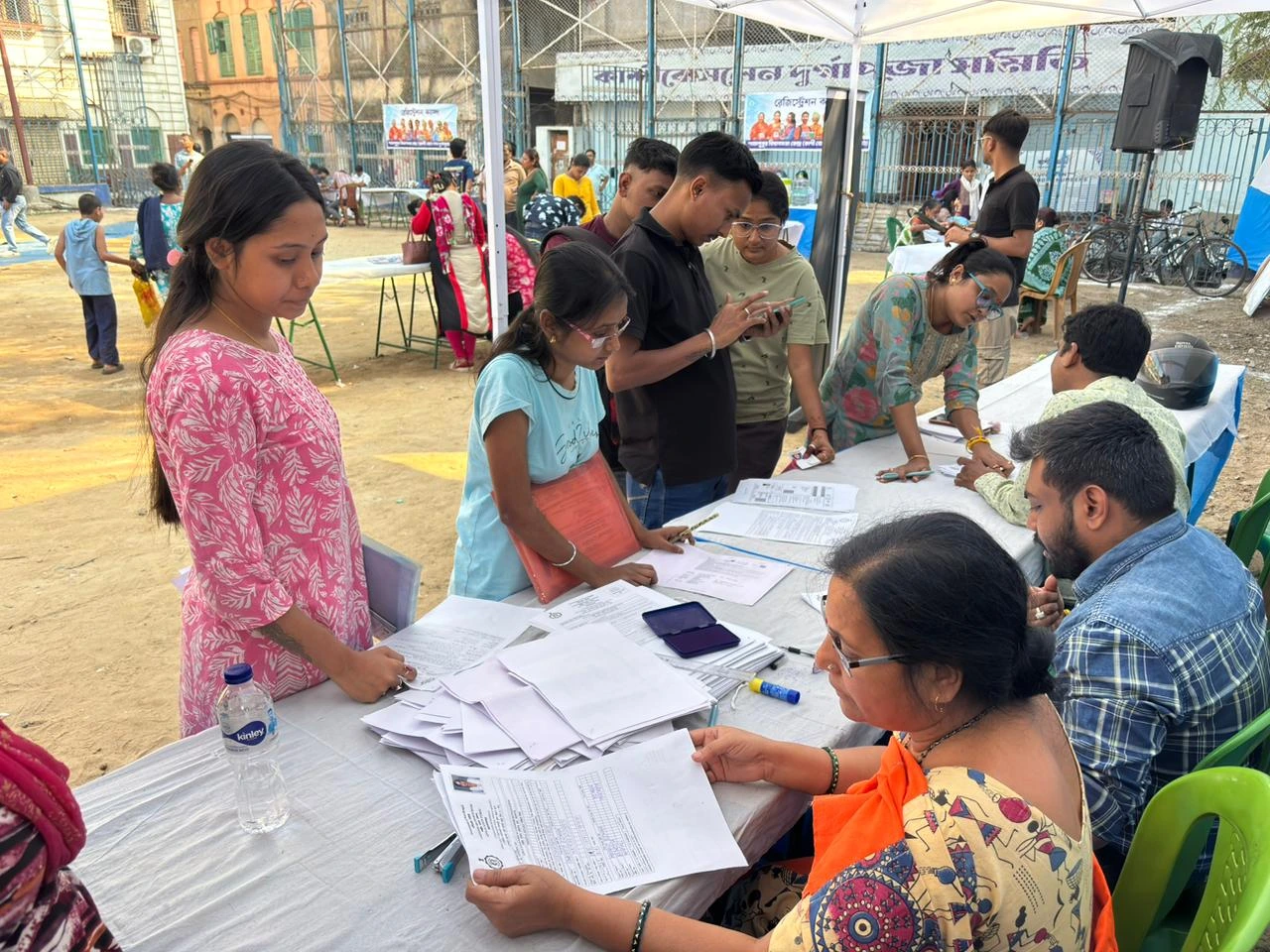

In a decisive move to address the mounting pressures of unemployment, the West Bengal government has officially rolled out the Yuva Sathi Scheme. Designed as a temporary safety net, the program offers monthly financial stipends to the state’s educated but jobless demographic, marking a significant intervention in the regional socio-economic landscape.
The Framework of Support
The scheme targets a specific cohort of the population, bridging the gap between graduation and professional placement. Key parameters of the initiative include:
• Financial Stipend: Beneficiaries are entitled to ₹1,500 per month.
• Eligibility Criteria: Applicants must be aged between 21 and 40 and possess a minimum educational qualification of Madhyamik (Class X) or its equivalent.
• Duration of Aid: The assistance is capped at five years or until the individual secures gainful employment.
To streamline the process, the government has decentralized the application phase, establishing dedicated registration camps across all 294 assembly constituencies. This “on-the-spot” verification model is designed to eliminate bureaucratic delays and ensure immediate processing.
On-the-Ground Impact and Youth Sentiment
Initial reports from the registration camps suggest a surge of interest. In the Shyampukur constituency alone, local TMC leader Ajoy Chakrabarti reported that nearly 2,000 applicants registered on the very first day.
For many, the ₹1,500 allowance while modest is viewed as a vital resource for covering “hidden” costs of job hunting, such as transportation, exam fees, and study materials. Interestingly, the camps have not only attracted the strictly unemployed but also those currently in low-wage positions looking for a financial cushion while they seek better career prospects.
Analytical Perspective: A Masterstroke in Welfare Politics?
The timing of the Yuva Sathi launch is hardly coincidental. By fast-tracking the scheme during the pre-election season, Chief Minister Mamata Banerjee is directly neutralizing a primary talking point of the opposition: the lack of jobs.
A Welfare-Driven Narrative
The scheme allows the Trinamool Congress (TMC) to solidify its image as a pro-people administration. By ensuring direct cash transfers (DBT) into the bank accounts of young citizens, the government creates a tangible link between the state’s treasury and the individual voter.
Consolidating the Youth Vote
The “youth vote” remains one of the most volatile and influential blocks in West Bengal. By addressing the economic anxieties of this group, the TMC is making a calculated move to secure loyalty among first-time and young voters. In a landscape where unemployment often fuels anti-incumbency, Yuva Sathi serves as both a social welfare tool and a potent political stabilizer.