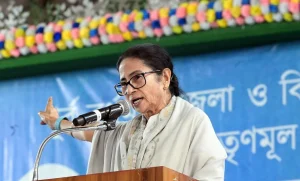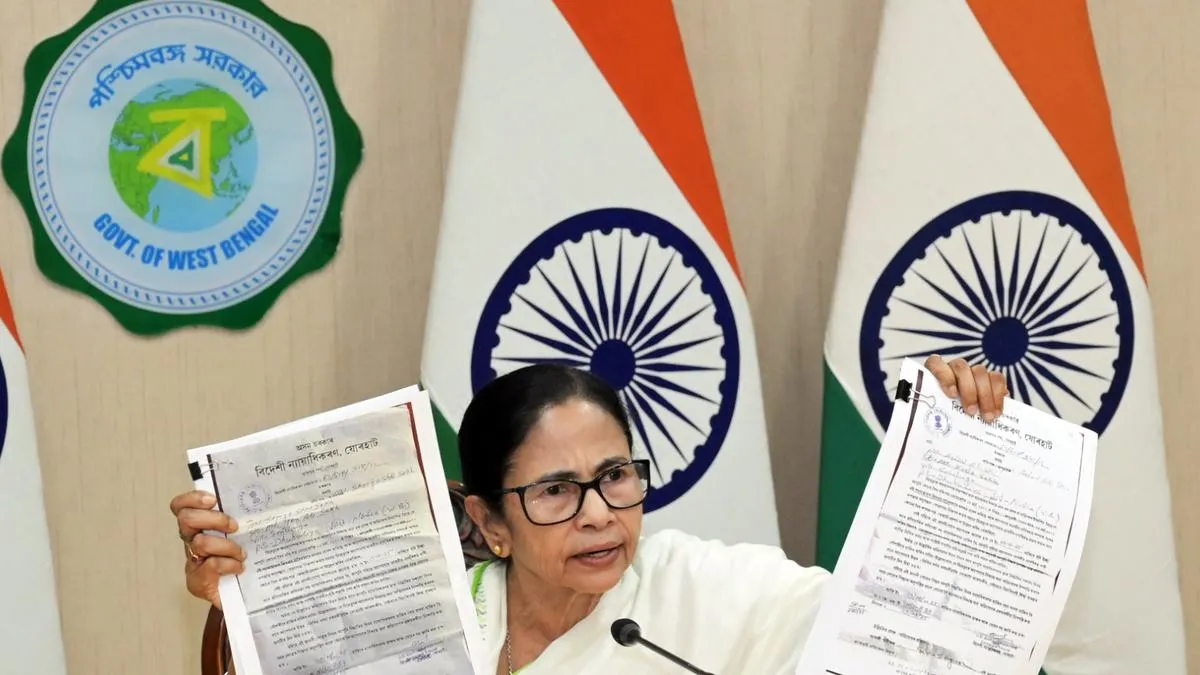

In a significant constitutional and political confrontation, West Bengal Chief Minister Mamata Banerjee has issued a third, sharply worded letter to Chief Election Commissioner (CEC) Gyanesh Kumar, demanding an immediate halt to the ongoing Special Intensive Revision (SIR) of electoral rolls. Dated January 3, 2026, the four-page correspondence characterizes the exercise as “deeply flawed, arbitrary, and unconstitutional,” warning that it threatens to disenfranchise millions of genuine voters ahead of the 2026 Assembly elections.
The Current Context: A High-Stakes Overhaul
The controversy centers on the SIR, a comprehensive house-to-house verification drive launched by the Election Commission of India (ECI) in mid-2025. Unlike routine annual updates, this exercise involves fresh enumeration and strict document verification, ostensibly to remove duplicate, deceased, and “shifted” entries.
In West Bengal, the stakes are exceptionally high. The ECI’s draft rolls revealed that over 58 lakh names—nearly 7% of the state’s electorate—have already been provisionally deleted. Furthermore, approximately 1.36 crore entries have been flagged for “logical discrepancies,” leading to a massive wave of mandatory hearings that have overwhelmed both citizens and local officials.
Allegations of “WhatsApp Governance” and Technological Misuse
A central theme of Banerjee’s letter is the alleged breakdown of formal administrative protocols. The Chief Minister accused the ECI of issuing critical, daily instructions through informal WhatsApp and text messages rather than statutory orders or formal notifications.
Arbitrary Deletions: Banerjee alleged that IT systems are being used for “backend deletions” of voters without the knowledge or approval of Electoral Registration Officers (EROs), who are the legally mandated authorities for such changes.
Technological Conspiracy: She further characterized the process as a “technological conspiracy,” claiming that Artificial Intelligence (AI) is being weaponized to strike off names based on surname changes (often after marriage) or spelling variations between English and Bengali records.