


app-store-logo
play-store-logo
February 13, 2026

Bangladesh to get a male Prime Minister after 35 years
The CSR Journal Magazine

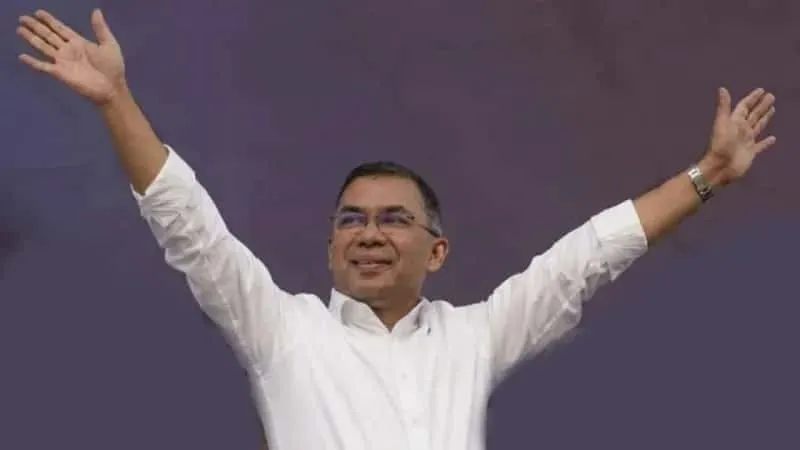
The Bangladesh Nationalist Party (BNP) is set to form the government in Bangladesh after more than two and a half decades, securing a decisive majority in the national parliamentary elections. The development is also significant as the country is poised to have a male prime minister for the first time in 35 years.

As of Friday morning, the BNP-led alliance had won 212 seats in the national parliament, comfortably crossing the 151-seat mark required to form the government. The rival Jamaat-e-Islami-led alliance secured 70 seats, while other parties won six seats.

However, the Election Commission of Bangladesh has not yet officially declared the final results for most constituencies. Chief Election Commissioner AMM Nasir Uddin said the commission would announce the final outcome only after receiving written confirmations from returning officers.

Referendum signals major reforms

Alongside the parliamentary polls, a nationwide referendum was also held. Preliminary results show a decisive victory for the “yes” vote, indicating public support for comprehensive reforms in the constitution, administration, and judiciary.

According to available figures, about 250,000,458 voters supported the reforms, while 869,588 voted against them. The outcome suggests the possibility of sweeping structural changes in the country, although the final implementation will depend on decisions taken by the new parliament and government.

The BNP, however, has expressed objections to several aspects of the proposed reform process.

Speculation about the formation of a national unity government had surfaced ahead of the polls, particularly after the Jamaat Ameer proposed such an arrangement. However, BNP chief Tarique Rahman dismissed the idea in an interview three days before the election.

Tarique Rahman has won from both his Bogra and Dhaka constituencies, reinforcing his political authority within the party and the alliance.

Jamaat’s gains despite fewer seats

Although the Jamaat-led alliance fell short of expectations, its performance is being seen as a significant political development. The party has won 70 seats so far, but observers believe it may struggle to cross the 100-seat mark that some had predicted.

Historically, Jamaat’s best performance was 18 seats in the 1991 elections. Its last notable success came in 2001 when it contested as part of a BNP-led alliance. This time, it led an alliance of 11 parties, and political analysts say the results reflect an expansion of its vote base across the country.

Return of BNP after two decades

The last BNP government was in power from 2001 to 2006 under Khaleda Zia. After a two-year caretaker administration, the Awami League returned to power with a landslide victory in the 2008 elections.

Sheikh Hasina remained Prime Minister from 2009 until August 5, 2024, when her government fell. Bangladesh has since been under an interim administration led by Muhammad Yunus for about 18 months.

With the BNP securing a clear majority, the country is now set to return to an elected government after the interim period, marking a significant shift in its political landscape.

Long or Short, get news the way you like. No ads. No redirections. Download Newspin and Stay Alert, The CSR Journal Mobile app, for fast, crisp, clean updates!

App Store – https://apps.apple.com/in/app/newspin/id6746449540

Google Play Store – https://play.google.com/store/apps/details?id=com.inventifweb.newspin&pcampaignid=web_share

Latest News

Popular Videos
