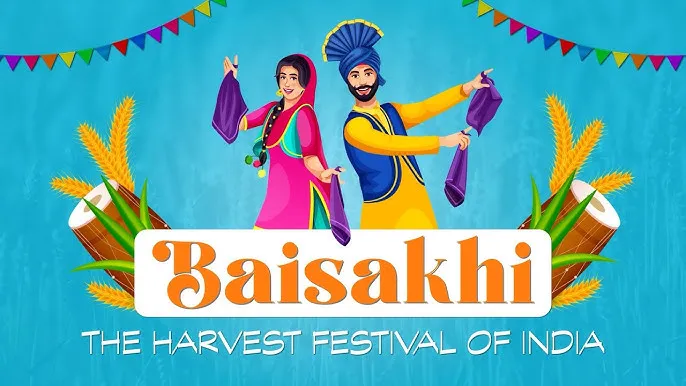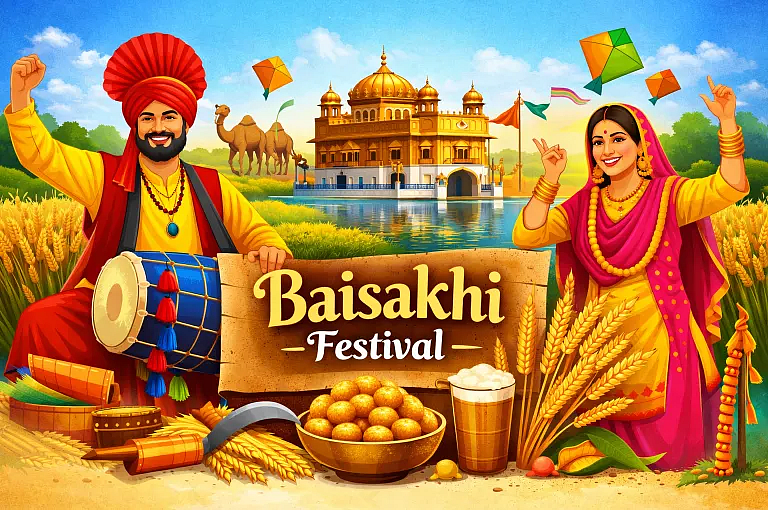

Baisakhi 2026 is set to be observed on Tuesday, April 14. This festival signifies the harvest season and also marks the start of the Punjabi New Year. With its roots embedded in agrarian culture, Baisakhi is a time for communities to come together, reflect on their blessings, and indulge in festive foods. Traditional sweets play a vital role in these celebrations, evoking a sense of nostalgia and warmth.
The festival’s importance is highlighted by the gatherings of families and friends, where gratitude is expressed for the bountiful harvest. As communities celebrate their cultural heritage, the sharing of food becomes an essential aspect of the occasion. Culinary delights, particularly desserts, are central to these festivities, enriching the overall experience.
During Baisakhi, it becomes customary for families to prepare and share a variety of traditional sweets, each steeped in cultural significance. These delicacies are not only enjoyed for their taste but also symbolize joy and togetherness during the festival.
Traditional Baisakhi Desserts to Enjoy
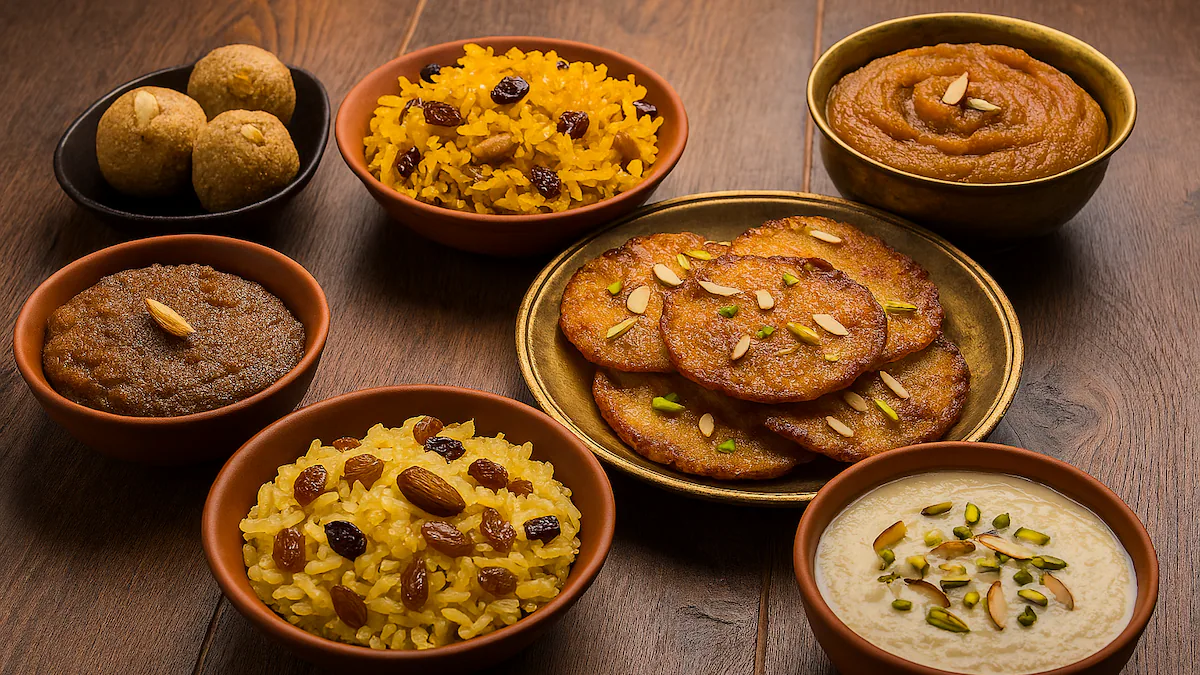
The Baisakhi celebration features an array of traditional sweets known for their rich flavours and comforting textures. One of the most cherished dishes is Meethe Chawal, a fragrant sweet rice prepared with basmati rice, sugar, cardamom, and various dried fruits. Kheer, particularly Badam Kheer made with milk and almonds, presents a creamy dessert option that is popular among all age groups.
Other notable desserts include Gud Ka Halwa and Pinni, both made from jaggery and flour, enriched with ghee and nuts. These treats are a staple during festivities, reflecting the culinary heritage of Punjab. Classic offerings like Boondi Ladoo and Besan Ladoo are also favourites, celebrated for their simplicity and widespread appeal. Furthermore, Kada Prasad, usually made in gurudwaras, holds a special place in the festivities as it embodies the spirit of community sharing.
Preparing these desserts is often a joyful activity for families, enhancing the festive atmosphere. Many of these recipes are straightforward, allowing even novice cooks to participate in the culinary traditions that define Baisakhi.
Making Sweets at Home and Healthier Alternatives
For those planning to prepare sweets at home for Baisakhi 2026, many recipes are uncomplicated and perfect for family gatherings. Meethe Chawal can be easily made by cooking rice with sugar, cardamom, and nuts, topped with raisins for extra flavour. Badam Kheer can be made by boiling milk with almonds and sugar until it reaches a creamy consistency, finished with a hint of saffron.
Quick recipes such as Boondi Ladoo can be created by mixing ready-made boondi with sugar syrup and shaping it into balls. Pinni or Gud Halwa involves roasting flour in ghee, combining it with melted jaggery, adding nuts, and shaping the mixture into bars or balls, making it a delightful treat.
For those seeking healthier options during the celebrations, consider substituting jaggery or dates in place of refined sugar. Using low-fat or almond milk in kheer can also lighten the dish, while incorporating fruit-based desserts like custard can add balance to the overall festive menu.