


Bahrain and Saudi Arabia F1 Races Cancelled Due to Conflict
The CSR Journal Magazine

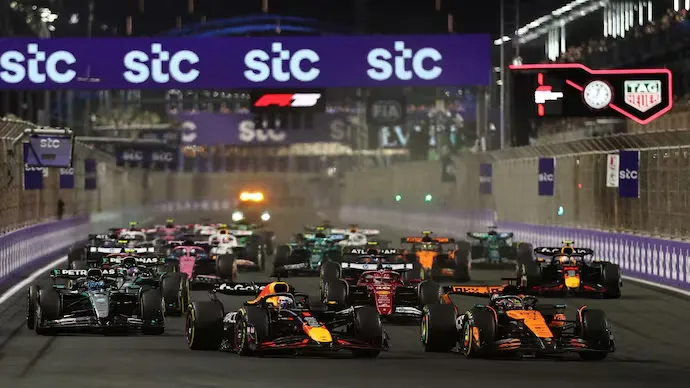
The Formula 1 racing calendar has been significantly impacted as the Bahrain Grand Prix, initially set for April 10-12, and the Saudi Arabian race, scheduled for the following week, have been cancelled. This decision comes in light of the ongoing conflict involving Iran, leading to concerns over safety for participants and spectators. Organisers of the sport have noted that the escalating situation in the region has created an environment unsuitable for hosting large-scale events.

Originally, the Bahrain race was to be the fourth Grand Prix of the season. However, the recent developments have prompted the F1 governing body and local organizers to reassess the viability of the events scheduled in this politically sensitive landscape. With increasing tensions, the focus has shifted to ensuring the safety and well-being of everyone involved in the races.

Historic Venue and Its Significance

Bahrain has been a key host for Formula 1 races since 2004, becoming known for its vibrant and challenging atmosphere on track. It was a significant milestone in F1’s expansion into the Middle East. The circuit has witnessed several memorable moments over the years, making it a critical fixture on the annual calendar. However, the decision to cancel this year’s race highlights the fragile state of international motorsport, particularly in regions facing unrest.

The Saudi Arabian GP, introduced more recently in 2021, has also played a vital role in the region’s motorsport ambitions, showcasing the country’s commitment to diversifying its entertainment offerings. Both races were expected to draw significant international attention, contributing to the local and regional economy, alongside the growth of motorsport in these nations. The cancellation reflects a broader impact on local businesses that rely on such high-profile events for revenue generation.

Future of F1 Events in the Region

The future of Formula 1 racing in Bahrain and Saudi Arabia remains uncertain following these cancellations. While both nations have previously made substantial investments in their respective motorsport infrastructures, the volatile political climate could deter future events. Formula 1 has long been viewed as an effective platform for nations to enhance their global standing through sports diplomacy and economic investment. However, safety concerns will be paramount in determining the feasibility of hosting future races.

In light of these developments, the F1 governing body is likely to reassess other upcoming races in the region, looking into alternative locations or additional safety protocols if conditions improve. This ongoing stance emphasizes the sport’s commitment to prioritising safety and security as it navigates through challenges posed by geopolitical tensions. Stakeholders within the sport, including teams and drivers, will continue monitoring the situation closely, eager to return to racing once stability is established.

Reactions from Stakeholders

The cancellation of these races has drawn varied reactions from stakeholders within the motorsport community. Teams and drivers have expressed their understanding of the situation, prioritizing safety over competition. Fans and sponsors, while disappointed by the news, recognize the implications of the broader conflict on local and international sporting events. As the sport adapts to an ever-changing landscape, the unity among stakeholders will play a crucial role in ensuring the safe return of F1 racing to the region in future seasons.

Long or Short, get news the way you like. No ads. No redirections. Download Newspin and Stay Alert, The CSR Journal Mobile app, for fast, crisp, clean updates!

App Store –  https://apps.apple.com/in/app/newspin/id6746449540 

Google Play Store – https://play.google.com/store/apps/details?id=com.inventifweb.newspin&pcampaignid=web_share

Latest News

Popular Videos
