


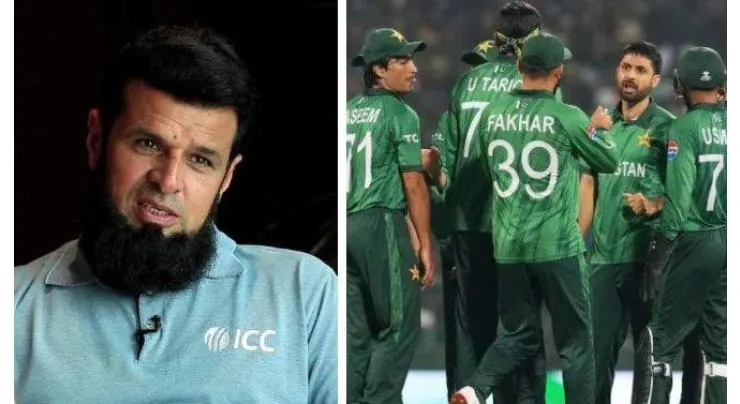

Aleem Dar, a senior member of the Pakistan cricket selection committee, has resigned from his position within the Pakistan Cricket Board (PCB) after the team’s lackluster showing at the ICC Men’s T20 World Cup 2026. His resignation has been attributed to growing dissatisfaction with the considerable influence of head coach Mike Hesson over team selection and a perceived lack of support from fellow selector Aaqib Javed. Pakistan’s failure to advance to the semi-finals after their World Cup run ultimately triggered this administrative change.
Frustrations Over Selection Disputes
An experienced former ICC umpire, Dar was appointed to the selection panel in October 2024. He has reportedly expressed his frustrations regarding internal disagreements over player selections, particularly concerning established players like Babar Azam, Shadab Khan, and Usman Khan. These players faced scrutiny due to their recent performance levels, leading to further tensions within the committee. Dar believed that Hesson’s considerable control over the final selection decisions significantly impacted the team’s overall performance.
Future of the Selection Committee
With Aleem Dar’s departure, the selection committee now consists of Aaqib Javed and Asad Shafiq, in addition to data analyst Usman Hashmi. The PCB is currently assessing the future direction of the squad’s leadership structure in light of this recent change.
PCB Imposes Financial Penalties on Players
In addition to the changes within the selection committee, the PCB has also taken disciplinary action against the national team following their disappointing World Cup exit. Each player on the squad faces a financial penalty of PKR 5 million, which is roughly equivalent to Rs 16 lakh. This decision, reportedly spearheaded by PCB Chairman Mohsin Naqvi, aims to enforce stricter accountability measures after a series of unimpressive performances in international competitions.
Details of the World Cup Campaign
The Pakistan national team had a challenging World Cup campaign, participating in four group stage matches where they secured two wins and suffered two losses. A notable defeat came against India in Colombo, which reportedly displeased PCB officials. Although there was a glimmer of hope when Pakistan achieved a crucial victory over Namibia, they ultimately struggled to maintain consistent momentum.
After narrowly advancing to the Super 8 stage, the team lost two out of three matches, experiencing setbacks against both New Zealand and England. This resulted in a disappointing conclusion to their World Cup journey, as they finished outside the semi-final positions.