


Airlines Reroute Flights Amid Conflict, Travel Times Rise and Fares Surge
The CSR Journal Magazine

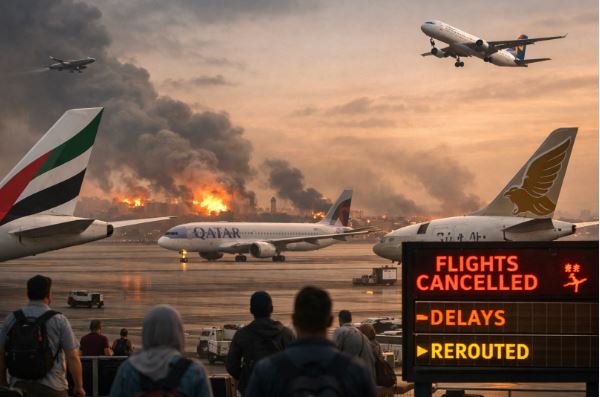
As the conflict between the US and Israel against Iran stretches on, airlines are facing significant operational challenges. Airlines, particularly Air India, have been rerouting flights to avoid conflict zones. The changes mean that flights heading west from India must now navigate around both Pakistani and Iranian airspace, significantly increasing travel times. A recent announcement by pilots indicates that passengers may even glimpse the pyramids of Giza during longer flights, as the altered routes take planes over the Arabian Sea and around Oman. This adjustment has led Air India flights from Delhi to London extending from approximately eight hours to over twelve hours. Similarly, nonstop flights from Mumbai to New York, which typically took 13 to 14 hours, now often require a stopover in Rome, bringing the total journey time close to 21 hours.

Significant Rise in Airfares and Reduced Flight Options

Since February 28, the ongoing conflict has caused a surge in air ticket prices along with a reduction in available travel routes. Major airlines like Emirates, Qatar Airways, and Etihad are currently not operating, leading to a decrease in the number of flights. The network connecting India to the west has contracted sharply, with Indian operators reducing the number of daily flights from between 400 and 500 to just a handful. For instance, IndiGo’s international flights to the west have considerably decreased, while Air India Express has slashed its connections by more than half. Furthermore, aviation turbine fuel prices have risen as the Indian Rupee depreciates, prompting airlines to grapple with skyrocketing operating costs. Airlines report the price per kiloliter of ATF has risen, affecting overall profitability.

Challenges for Aircraft Crews Amid Lengthened Flights

As flight times have increased, airlines are taking measures regarding crew management. Air India has received regulatory approval to extend pilot flight duty times, allowing two pilots to handle longer flights. This exemption permits pilots to operate flights for longer periods without mandatory rest breaks. Pilots, however, have expressed concerns about fatigue due to extended durations in the cockpit, often flying near regions of potential conflict. The physically demanding conditions and limited opportunities for crew relief have resulted in growing unease among aviation staff, indicating the pressure of current operational conditions. Air India has also converted pilots from other aircraft types to ensure adequate coverage, demonstrating the strain that longer flight routes have placed on crew resources.

Effects on Passengers and Future Travel Plans

The surge in flight costs has directly impacted passengers, with many experiencing significant hikes in ticket prices. An illustration of this increase can be seen with one Indian student reporting a fare of Rs 1.8 lakh for a one-way trip from Delhi back to Ireland. As travelers with pre-existing bookings on now-discontinued flights turn to alternatives, ticket prices are anticipated to escalate as demand rises. With international connections severely limited, Air India is proactively adding more flights to alleviate some of the demand. European carriers are also adjusting capacity, with Lufthansa deploying larger aircraft to maintain services on key routes.

Wider Implications of the Conflict on Different Sectors

The war’s ramifications extend beyond the airline industry, affecting various sectors within India. Rising costs of medical supplies, including crucial items such as syringes, are emerging due to increased expenses associated with medical-grade plastics and transportation. In the pharmaceutical sector, the scarcity of propane has led to temporary closures in drug production facilities, resulting in shortages of essential medications. Fertilizer production is also being impacted, particularly with LNG disruptions affecting production ahead of key agricultural seasons. Other industries, including commercial restaurants and automotive manufacturing, are facing challenges due to increased costs and supply chain disruptions directly linked to the ongoing conflict.

Long or Short, get news the way you like. No ads. No redirections. Download Newspin and Stay Alert, The CSR Journal Mobile app, for fast, crisp, clean updates!

App Store –  https://apps.apple.com/in/app/newspin/id6746449540 

Google Play Store – https://play.google.com/store/apps/details?id=com.inventifweb.newspin&pcampaignid=web_share

Latest News

Popular Videos
