


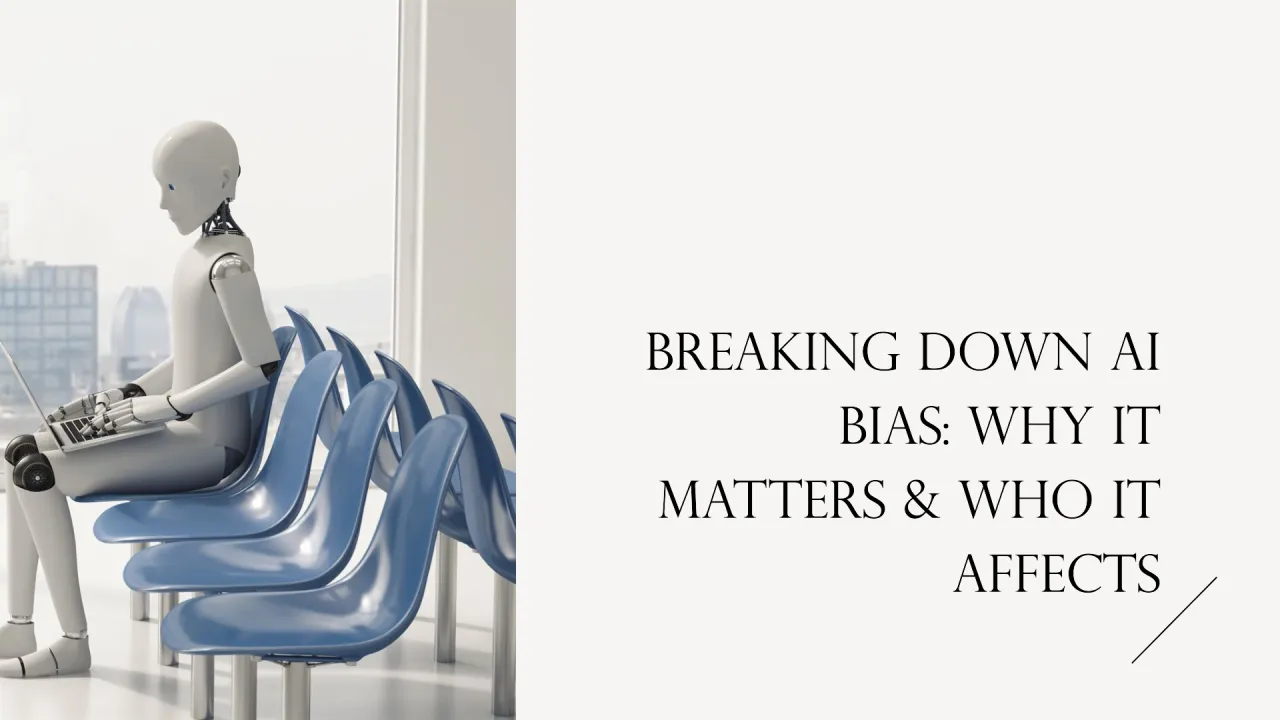
AI’s Hidden Biases Impacting Gender Equity in Employment
The CSR Journal Magazine

The introduction of artificial intelligence is not only transforming work practices but also fundamentally reshaping workplace cultures. AI is influencing the way employees communicate, make decisions, and establish trust within organisations. This transformation is subtle yet significant, as AI alters typical communication methods and decision-making processes.

In many cases, AI is enforcing clearer and more direct communication styles, which may limit the nuances typically present in human interactions. This reliance on explicit language might enhance clarity but also reduces essential context and unspoken understanding among colleagues. AI’s tendency to generate responses that are tactful may further dilute straightforward discussions, prioritising harmony over transparency.

Consequently, this shift may hinder organisations from engaging in constructive debates. Instead of drawing out diverse perspectives, there is a risk that potential tensions are subdued, potentially stifling valuable discussions that could lead to progress.

Transformations in Leadership and Decision Processes

As AI systems democratise access to data, traditional notions of leadership are evolving. Knowledge has become less about individual expertise and more linked to the ability to interpret AI-generated information. This shift could lead to a redefinition of authority within organisations, whereby decision-making processes become faster and increasingly reliant on algorithmic insights.

Rapid analytics can result in recommendations being adopted without thorough examination, pushing employees into roles that may focus on endorsement rather than critical analysis. This shift raises important concerns about autonomy in decision-making, prompting questions about whether genuine decision-making is occurring or merely blind approval of AI outputs.

This aspect of AI integration challenges conventional leadership models and places emphasis on collaborative rather than hierarchical decision-making approaches. As such, organisations must consider how human judgement can be preserved in an environment dominated by machine-generated insights.

The Gender Disparity in AI Utilisation

A significant yet often overlooked issue related to AI adoption is its disproportionate impact on gender. Research indicates that women are reportedly less inclined to utilise generative AI tools compared to men. This discrepancy is not rooted in capability but rather in perceptions surrounding competence and associated risks. Women often find that their input is attributed more to AI than to their skills, whereas similar actions by men are frequently seen as innovative and efficient.

This double standard reflects longstanding societal biases that diminish the recognition of women’s contributions. The implication is that many women might approach AI tools with caution, fearing that their professional abilities may be undermined. This reluctance may inadvertently widen the gender gap in sectors increasingly reliant on technology.

Moreover, this situation leads to a concerning cycle where women’s engagement with AI is stifled, potentially hindering their career advancement opportunities. If unaddressed, these biases could further entrench existing inequalities in the modern workforce.

The Cultural Implications of AI Adoption

The integration of AI into workplaces is not merely a technological transition; it heralds profound cultural changes that can reinforce existing inequalities. AI is reshaping norms around how teams communicate, exert authority, and cultivate trust. Without deliberate efforts to manage these shifts, there is a risk that AI may perpetuate the biases it seeks to eliminate.

As organisations adopt AI, they must remain vigilant about the social implications accompanying these technologies. The future landscape of work will depend significantly on both the sophistication of AI tools and the strategic manner in which they are implemented. A thoughtful approach can ensure that the benefits of AI contribute to a more equitable workplace rather than exacerbate historical disparities.

Ultimately, the challenge lies in leveraging AI’s capabilities while confronting and addressing biases embedded within both technology and workplace culture.

Long or Short, get news the way you like. No ads. No redirections. Download Newspin and Stay Alert, The CSR Journal Mobile app, for fast, crisp, clean updates!

App Store –  https://apps.apple.com/in/app/newspin/id6746449540 

Google Play Store – https://play.google.com/store/apps/details?id=com.inventifweb.newspin&pcampaignid=web_share

Latest News

Popular Videos
