


Afghanistan, Zimbabwe, Lebanon Ranked Least Happy Nations in 2026
The CSR Journal Magazine

The World Happiness Report has revealed its findings for 2026, identifying Afghanistan, Zimbabwe, and Lebanon as the least happy countries. These nations are noted for their ongoing struggles with conflict, economic challenges, and social instability, which significantly impact their citizens’ overall well-being and happiness levels. The report measures happiness based on various factors, including income, social support, life expectancy, and freedom to make life choices.

Findings from the Report

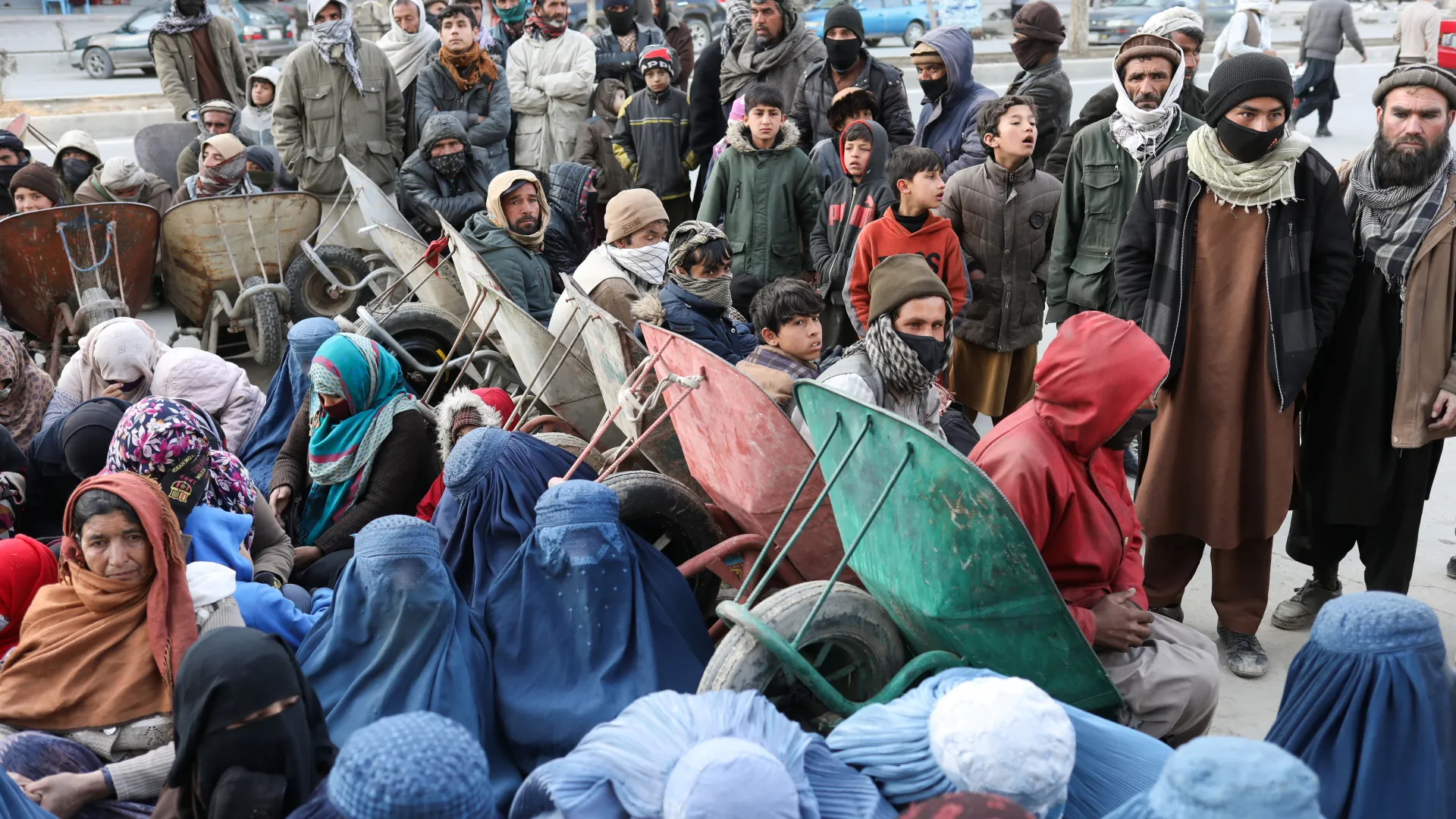
According to the report, Afghanistan ranked at the bottom of the happiness scale, continuing a trend from previous years. The country has been plagued by political instability and humanitarian crises, which contribute to widespread suffering and discontent among its population. Zimbabwe follows closely behind, facing severe economic hardships and high rates of unemployment that affect the quality of life for many of its citizens. Lebanon, experiencing a severe economic collapse and its repercussions, also remains on the list of countries with low happiness levels.

Supporting Factors of Unhappiness

Several key factors contribute to the low happiness rankings of these countries. Afghanistan, for instance, deals with long-standing conflict and displacement, leading to a significant decrease in quality of life. The ongoing violence and lack of basic services hinder the ability of citizens to find contentment and security. In Zimbabwe, the economic turmoil has resulted in inflation and a declining standard of living, which further exacerbates feelings of unhappiness. Meanwhile, Lebanon’s economic crisis paired with political instability has created an environment where many citizens feel hopeless and frustrated.

Global Context of Happiness

The World Happiness Report employs a variety of metrics to assess happiness, drawing from survey data on subjective well-being and other socio-economic indicators. Countries that rank high on the list typically enjoy political stability, strong social supports, and healthy economies. This underscores the complex interplay between a nation’s circumstances and the happiness of its citizens. Countries such as Finland and Denmark continue to rank among the happiest in the world, illustrating stark contrasts with the least happy nations.

Responses from Affected Nations

In the wake of these findings, leaders from the countries listed are urged to adopt measures aimed at improving the living conditions and overall happiness of their citizens. Efforts may include enhancing economic opportunities, fostering social cohesion, and addressing human rights issues. While the challenges are significant, awareness of these issues is a critical first step towards change and improvement in the lives of those living in these nations.

Looking Ahead

The findings from the World Happiness Report serve as a call to action for governments and organizations to focus on the conditions that affect individual well-being. As international attention turns to nations struggling with happiness, it becomes imperative for local leaders to implement effective policies to uplift their citizens. The path toward improved happiness in these countries is fraught with challenges, yet it offers a meaningful goal for development initiatives moving forward.

Long or Short, get news the way you like. No ads. No redirections. Download Newspin and Stay Alert, The CSR Journal Mobile app, for fast, crisp, clean updates!

App Store –  https://apps.apple.com/in/app/newspin/id6746449540 

Google Play Store – https://play.google.com/store/apps/details?id=com.inventifweb.newspin&pcampaignid=web_share

Latest News

Popular Videos
