


300,000 Tonnes of LPG Stranded in Strait of Hormuz on Indian Ships
The CSR Journal Magazine

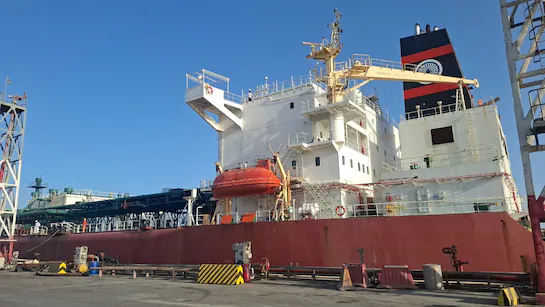
Approximately 300,000 tonnes of liquefied petroleum gas (LPG) aboard six Indian-flagged vessels are currently stranded in the Strait of Hormuz, as reported by the shipping ministry. The situation has raised concerns about cargo logistics in the region.

On Tuesday, the Nanda Devi, one of the vessels, reached the Vadinar facility at Kandla Port carrying 46,500 tonnes of LPG. This marks a significant development amidst ongoing maritime challenges in the Gulf.

Current Status of Vessel Operations

A total of 22 Indian vessels are presently in the Strait, including the six LPG carriers, an LNG tanker, four crude oil tankers, one chemical and products vessel, three container ships, and two bulk carriers. Efforts are ongoing to facilitate the unloading process for the LPG carriers, Shivalik and Nanda Devi, according to Rajesh Kumar Sinha, special secretary at the shipping ministry.

Government Support and Monitoring Efforts

The shipping ministry has noted that all central government-owned ports are actively monitoring the movements of vessels and cargo operations in the strait. They are also providing necessary support to these ships, which includes allocating additional storage space for the cargo. The proactive measures aim to mitigate the impact of the current logistical challenges and ensure efficient handling of the stranded shipments.

Transshipment and Container Management at Jawaharlal Nehru Port

Efforts to manage container traffic have been evident at Jawaharlal Nehru Port, where the number of perishable containers has been reduced from around 2,000 to approximately 1,000. This adjustment reflects a strategic response to the current port logistics situation. Some of the containers have been redirected back to the domestic market, while others have been dispatched to international ports such as Salalah in Oman and Khor Fakkan in the UAE.

Ongoing Maritime Developments Amid Regional Tensions

The geopolitical context surrounding the Strait of Hormuz continues to evolve, with regional tensions impacting shipping operations. The shipping ministry’s ongoing initiatives indicate a commitment to addressing the needs of vessels stranded amid these developments. The situation remains dynamic as authorities work to ensure that cargo reaches its intended destinations while maintaining maritime safety amid these challenging circumstances.

Strategic Responses to Cargo Management Challenges

With significant cargo volumes stranded, the response from government-owned ports is crucial in ensuring that logistical bottlenecks do not adversely affect supply chains. The ministry’s focus on enhancing storage capacities and facilitating the movement of goods is aimed at alleviating pressures on the shipping industry. As maritime operations continue to navigate the complexities of regional conflicts and shipping challenges, the commitment to efficient cargo management and vessel operations remains a priority.

Long or Short, get news the way you like. No ads. No redirections. Download Newspin and Stay Alert, The CSR Journal Mobile app, for fast, crisp, clean updates!

App Store –  https://apps.apple.com/in/app/newspin/id6746449540 

Google Play Store – https://play.google.com/store/apps/details?id=com.inventifweb.newspin&pcampaignid=web_share

Latest News

Popular Videos
