


Trump Threatens To Initiate Blockade Of Hormuz Strait
The CSR Journal Magazine

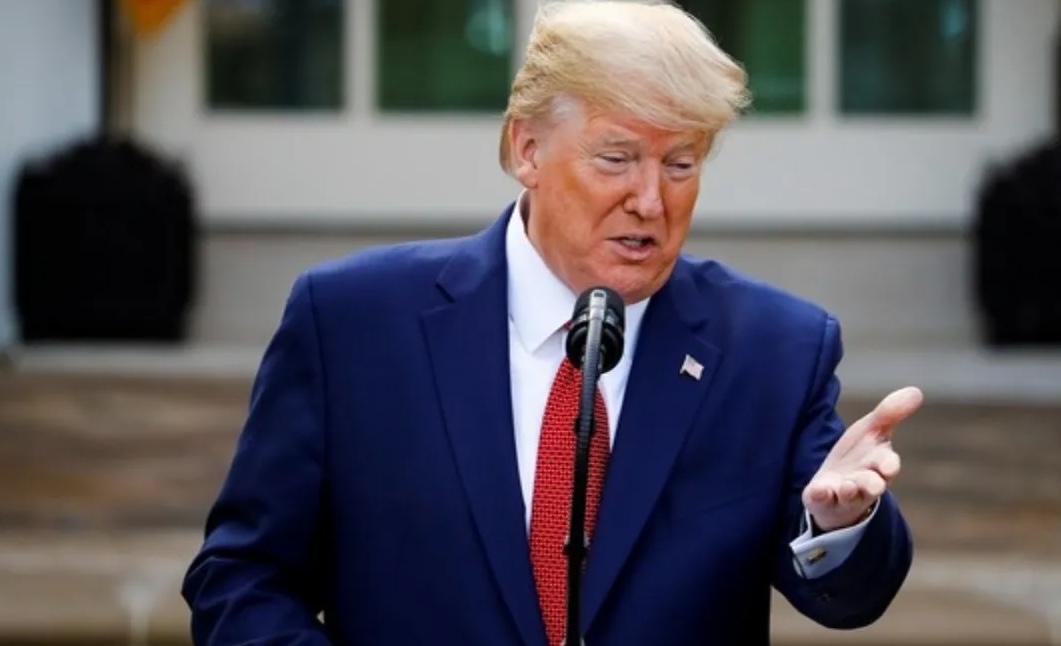
United States President Donald Trump’s recent threat to blockade the Strait of Hormuz signifies a notable escalation in hostilities towards Iran. The remarks were made on social media following unsuccessful negotiations in Islamabad between Washington and Tehran. Analysts assert that this move could jeopardise the fragile ceasefire, which was confirmed just last week, allowing for limited shipping activity.

Trump stated, “The US Navy will begin the process of BLOCKADING any and all ships trying to enter, or leave, the Strait of Hormuz.” The implications of this statement have raised alarm, especially given the critical nature of the strait as a key route for global energy supplies, particularly oil and liquefied natural gas.

Chris Featherstone, a political scientist from the University of York, commented that the blockade threat could serve as a negotiating tactic for the Trump administration, signalling increased pressure on Iran to concede during discussions. He labelled the threat as a clear augmentation in the ongoing US-Israel military actions against Iran.

Implications For Global Energy Supplies

The Strait of Hormuz is a vital chokepoint through which approximately one-fifth of the world’s oil and LNG passes. Prior to the recent hostilities, Iran effectively controlled this waterway following airstrikes from the US and Israel, further raising stakes in the international energy market.

The ceasefire, brokered by Pakistan and effective from last Wednesday, allowed Iran to facilitate shipping through the strait. Despite easing tensions, it remains uncertain whether Iran has been collecting fees for vessels during this period. Historical patterns indicate that only selected foreign ships, usually with payments made to Iran, were granted safe passage.

In the aftermath of the failed negotiations in Pakistan, Trump accused Iran of extortion and announced an intention to intercept ships in international waters that had paid tolls to Iran for transit through the strait. Subsequently, the US military confirmed that it would enforce a blockade targeting maritime traffic to and from Iranian ports.

Legal Concerns Surrounding The Blockade

Legal experts have cautioned that the United States’ blockade plans could conflict with international law. According to Jason Chuah, a professor of maritime law, the blockade may not align with customary international regulations that uphold navigational freedoms in maritime chokepoints. The legality of such actions could be further complicated given the absence of a declared state of armed conflict.

Critics assert that while Trump may invoke sanctions as a rationale for these actions, it does not necessarily provide authority under international law to obstruct foreign vessels in international waters without proper consent from the United Nations Security Council.

As the international situation evolves, only the United Kingdom has publicly stated it will not support the US blockade. British Prime Minister Keir Starmer emphasised a commitment to reopening the Strait of Hormuz promptly to mitigate global energy price spikes.

Potential Impact On Iran’s Economy

The potential blockade poses significant risks to Iran’s already strained economy, which has endured long-standing sanctions. The Islamic Revolutionary Guard Corps has made it clear that they would consider any blockade as an illegal act. Their stance emphasises that ports in the region should remain accessible to all vessels regardless of nationality.

As the standoff continues, Tehran has indicated that it will allow passage mainly for vessels from nations deemed friendly and those that comply with regulatory tolls. Iran’s assertion that “enemy-affiliated vessels” will be barred underscores ongoing regional tensions.

Given the likelihood of increased scrutiny and complications in maritime operations, concerns have risen over the global impact of the US blockade, potentially affecting shipping routes and costs for nations reliant on the Strait of Hormuz for energy supplies.

Long or Short, get news the way you like. No ads. No redirections. Download Newspin and Stay Alert, The CSR Journal Mobile app, for fast, crisp, clean updates!

App Store –  https://apps.apple.com/in/app/newspin/id6746449540 

Google Play Store – https://play.google.com/store/apps/details?id=com.inventifweb.newspin&pcampaignid=web_share

Latest News

Popular Videos
