


Cement Company Lafarge Found Guilty In Syria Terrorism Financing Case
The CSR Journal Magazine

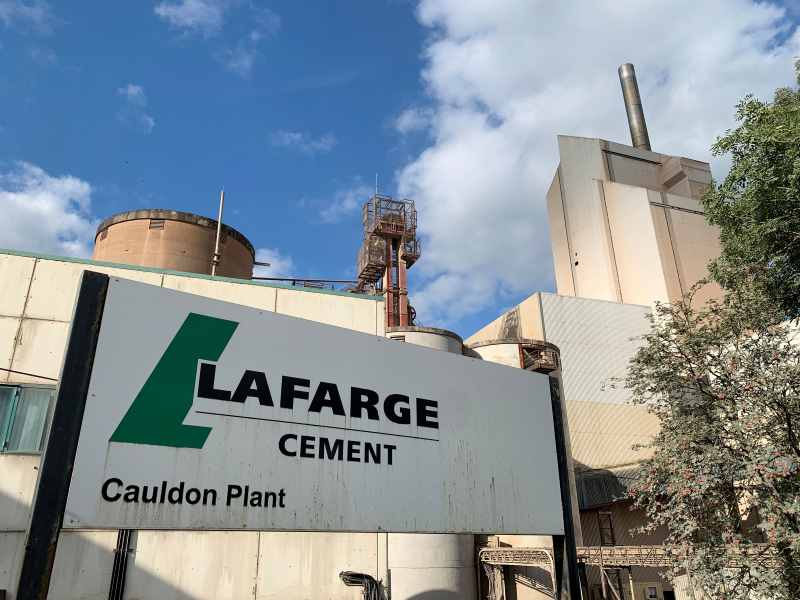
A French court has determined that Lafarge, a prominent cement manufacturing company, is guilty of financing terrorist activities during the Syrian conflict. This ruling arises from allegations that the company made substantial payments to various armed groups operating in the region in order to maintain the continued operation of its factory.

Details of the Financing Allegations

According to prosecutors, Lafarge allegedly transferred millions of dollars to the radical group ISIL, along with the Nusra Front, which is affiliated with al-Qaeda, between the years 2013 and 2014. The payments were reportedly aimed at ensuring the safety of its plant located in Syria as the country descended into civil war.

The court found compelling evidence that the company actively engaged in negotiations with these armed factions to secure the operational status of their facility. This conduct raised critical ethical and legal questions surrounding the responsibilities of corporations in conflict zones.

Reports indicated that Lafarge reportedly assessed the risk of operating in a war-torn environment and made calculated decisions, including financial allocations, which led to their involvement with these armed groups. The financial transactions allegedly included payments made to intermediaries who facilitated contact with armed factions.

Response from Lafarge

In response to the court’s findings, Lafarge planned to appeal the ruling, stating that it had not sought to finance terrorism. The company expressed intentions to challenge both the verdict and the legal basis for the allegations that led to this decision in court.

Lafarge argued that it had acted under the duress of an escalating conflict and was attempting to maintain operations and protect its employees during a tumultuous period. The company’s officials reiterated that the situation in Syria was complex, making the choices made by the organisation difficult yet necessary at the time.

This appeal signifies the company’s determination to clarify its position and attempt to mitigate the legal repercussions of the ruling. Lafarge’s legal team is expected to built upon the arguments that highlight the extreme challenges faced by businesses operating in conflict zones.

Broader Implications of the Ruling

This verdict against Lafarge raises significant questions about corporate responsibility in conflict regions and the legal frameworks surrounding such dealings. The outcome of this trial could set precedents for other multinational companies operating in similar environments, particularly regarding their obligations towards compliance with international law.

Industry experts have indicated that this ruling might prompt further investigations into the conduct of businesses in Syria and other active conflict zones. The judgement could potentially lead to increased scrutiny of corporate ethics and behaviours during situations of political unrest.

Additionally, the case highlights the complexities involved in ensuring compliance with both local laws and international norms amid ongoing conflicts. As businesses navigate these challenges, the case of Lafarge serves as a stark reminder of the potential consequences of financial engagements in areas affected by terrorism.

Long or Short, get news the way you like. No ads. No redirections. Download Newspin and Stay Alert, The CSR Journal Mobile app, for fast, crisp, clean updates!

App Store –  https://apps.apple.com/in/app/newspin/id6746449540 

Google Play Store – https://play.google.com/store/apps/details?id=com.inventifweb.newspin&pcampaignid=web_share

Latest News

Popular Videos
