


US Destroyers Navigate Strait of Hormuz for First Time Since War Commenced
The CSR Journal Magazine

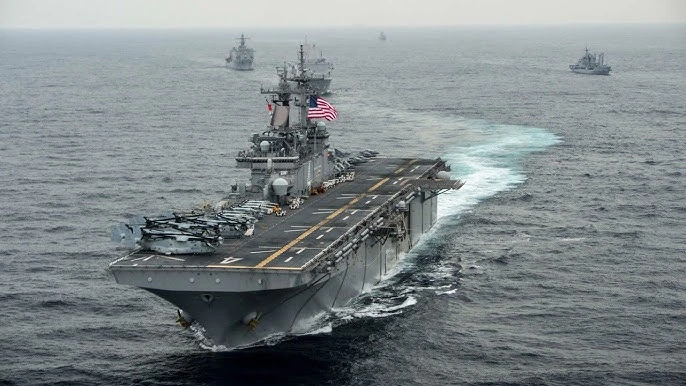
The US military has announced that two of its destroyers have successfully transited the crucial Strait of Hormuz, marking the first instance of such movement since the onset of the ongoing conflict. This operation comes ahead of planned efforts aimed at mine-clearing in the region, which has been a focal point of tensions. President Trump commented on this development, stating, “We’re sweeping the strait. Whether we make a deal or not makes no difference to me,” amidst extending discussions that lasted into the early hours of Sunday.

In contrast, Iranian state media has reported a denial from the country’s joint military command regarding any closure of the Strait of Hormuz. This strait is pivotal, as approximately twenty per cent of the world’s traded oil had typically traversed through it, with over one hundred ships making the journey each day prior to the current hostilities. Recently, however, only twelve vessels have been observed passing since the ceasefire was initiated.

US and Iranian Proposals for Ceasefire Negotiations

On Saturday, President Trump took to social media, announcing that the US had commenced the process of “clearing out” the strait. Following this, Admiral Brad Cooper, commander of US Central Command, elaborated on the situation, saying, “Today, we began the process of establishing a new passage, and we will share this safe pathway with the maritime industry soon.” The US military confirmed that further forces, including underwater drones, will augment the clearance efforts in the days to come.

In light of these developments, Iran’s Foreign Minister Abbas Araghchi expressed a sense of “deep distrust” as the country prepares to enter negotiations. He emphasised the readiness of Iran to respond if it faced any future attacks. This tension highlights the fragile state of discussions and the complexities surrounding the ongoing conflict with the US and allied forces.

The Iranian delegation’s stance was laid out through a ten-point proposal, which aims for a guaranteed conclusion to the war and seeks control over the Strait of Hormuz. Additionally, the proposal calls for an end to hostilities against Iran’s “regional allies” and specifically urges a cessation of Israeli operations targeting Hezbollah.

International Responses and Future Implications

The United States has submitted its own comprehensive fifteen-point proposal that seeks to impose limitations on Iran’s nuclear programme while advocating for the reopening of the Strait of Hormuz. This contrasting approach from both parties illustrates the significant divide that exists regarding the path forward in negotiations. It remains unclear how the discussions will unfold, given the stark differences in the proposals from both sides.

As diplomatic talks continue, the international community is closely monitoring the situation, particularly due to the strategic importance of the Strait of Hormuz in global oil transportation. The outcomes of these negotiations may not only affect US-Iran relations but could also have broader implications for regional stability and energy security worldwide.

This development comes as the region grapples with various geopolitical challenges, and the stakes of these negotiations are particularly high amidst the ongoing hostilities. Both sides are urged to find common ground to avoid further escalation and ensure the safety of maritime activities in this vital waterway.

Long or Short, get news the way you like. No ads. No redirections. Download Newspin and Stay Alert, The CSR Journal Mobile app, for fast, crisp, clean updates!

App Store –  https://apps.apple.com/in/app/newspin/id6746449540 

Google Play Store – https://play.google.com/store/apps/details?id=com.inventifweb.newspin&pcampaignid=web_share

Latest News

Popular Videos
