


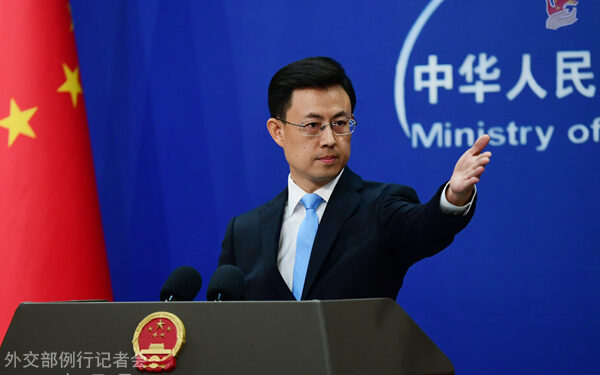

China has expressed its support for unimpeded navigation through the Strait of Hormuz, particularly following recent threats made by US President Donald Trump regarding a potential total blockade. Guo Jiakun, a spokesperson for the Chinese Foreign Ministry, stated that securing the passage in this strategic waterway aligns with the shared interests of the international community. The comments were made during a media briefing on April 13, in response to escalating tensions involving the US and Iran.
Response to US Tariff Threats
When queried about the implications of Trump’s tariff threats aimed at China if it continues to provide arms to Iran, Guo remarked that such tariff impositions yield no profitable outcomes for any involved parties. He reiterated China’s position that trade conflicts result in losses for all sides. The notion of a potential tariff conflict was further emphasised as a significant concern that may impede ongoing diplomatic efforts.
The timing of these threats is crucial, as Trump is scheduled to visit Beijing in mid-May for summit discussions with Chinese President Xi Jinping. Originally, this high-stakes diplomatic meeting was slated for early April but was postponed; Trump cited the necessity of his presence in Washington to “oversee the Iran war” as the reason for the delay. This annual summit could play a key role in shaping future US-China relations amidst increasing geopolitical tensions.
Additionally, the Chinese government reaffirmed its commitment to fostering stability within the region, following recognition of its role in facilitating diplomatic progress in the Middle East. Mao Ning, another spokesperson for the Chinese Foreign Ministry, stated their dedication to promoting peaceful resolutions amid ongoing conflicts.
International Developments and Chinese Diplomacy
Mao’s remarks were made in light of recent developments, particularly as Trump acknowledged China’s influence in shifting diplomatic dialogues. He specifically noted Beijing’s involvement in encouraging Iran’s participation in negotiations. The acknowledgment signifies a shift in how the US perceives China’s role in regional diplomacy, with potential implications for future interactions between the nations involved.
In related news, Russian Foreign Minister Sergey Lavrov is preparing for an official visit to China, scheduled for April 14-15. During this visit, Lavrov is expected to hold discussions with Chinese Foreign Minister Wang Yi, addressing a variety of bilateral issues as well as pressing global and regional matters. This meeting illustrates the increasingly complex international relations dynamics involving multiple key players in the region.
The ongoing tensions between the US and Iran continue to shape discussions within international forums, prompting various countries to reassess their diplomatic strategies. China’s active role in fostering dialogue and promoting stability in the Middle East reflects its broader foreign policy objectives, particularly in relation to its regional influence and commitment to multilateralism.