


PM Modi States Women’s Reservation Bill Will Strengthen Democracy
The CSR Journal Magazine

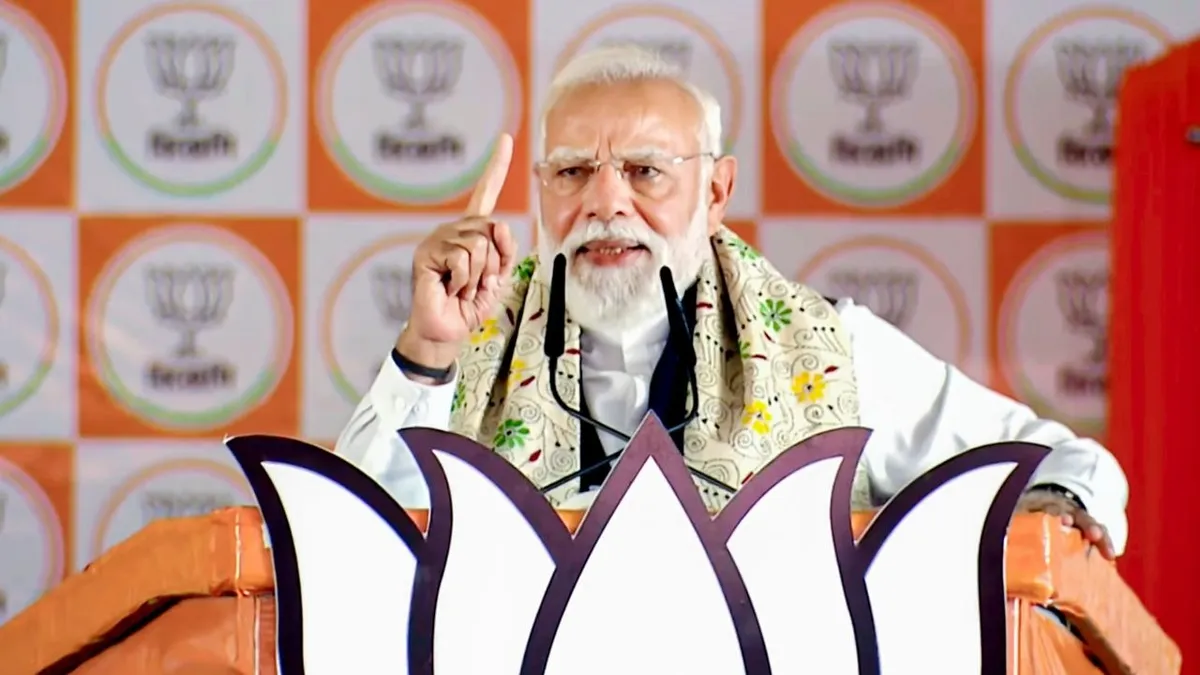
Prime Minister Narendra Modi has expressed that the proposed Women’s Reservation Bill could mark a significant advancement in the political landscape of India. He stated this during a speech addressing the importance of women’s inclusion in governance. Modi highlighted that the initiative is poised to empower women and enhance their representation in the political sphere. According to him, this could lead to a transformative impact on democracy within the nation.

The Prime Minister emphasised that this bill is not merely a legislative measure but a step towards achieving gender equality. By reserving seats for women in both the Lok Sabha and state legislative assemblies, the government aims to bring about substantial change in decision-making processes. Modi asserted that women must play a crucial role in shaping policies that affect their lives and communities.

Legislative Details and Current Status

The Women’s Reservation Bill seeks to reserve 33 per cent of seats for women in parliamentary bodies. This legislation was first introduced in 1996 but has faced various hurdles over the years. After numerous discussions, there is a renewed push for its passage in the current Parliament session. The Prime Minister urged lawmakers to consider the bill with the seriousness it deserves, as its approval would signify a progressive leap for Indian society.

Modi acknowledged that women’s participation in politics has remained disproportionately low, impacting the representation of half the population. He remarked that the legislation could serve as a catalyst for encouraging more women to engage in public service and governance. The Prime Minister appealed to all political parties to support the bill, citing the positive repercussions it could have for democratic institutions across the nation.

The government aims to ensure that women from various socio-economic backgrounds are included in this new political framework. Modi highlighted that the bill isn’t confined to urban areas but seeks to empower women from rural regions as well. The anticipated passage of this legislation is seen as an essential stride towards enhancing the democratic fabric of the country.

Challenges and Opposition to the Bill

The government has stated that it will engage with various stakeholders to address these concerns before moving ahead. Maintaining dialogue with civil society organisations is crucial to ensure that the legislation is inclusive and truly beneficial for women across diverse backgrounds. Modi’s assertion that the bill is on the brink of becoming law reflects the government’s commitment to this initiative, but success will depend on navigating the challenges that lie ahead.

The introduction of the Women’s Reservation Bill is viewed as a decisive moment in the ongoing struggle for gender equality in India. As discussions continue, the future of the bill remains a topic of great interest among the public and political commentators alike. Observers will be closely monitoring the legislative process to see whether it will indeed realise its potential to enhance women’s role in governance and democratic life.

Long or Short, get news the way you like. No ads. No redirections. Download Newspin and Stay Alert, The CSR Journal Mobile app, for fast, crisp, clean updates!

App Store –  https://apps.apple.com/in/app/newspin/id6746449540 

Google Play Store – https://play.google.com/store/apps/details?id=com.inventifweb.newspin&pcampaignid=web_share

Latest News

Popular Videos
