


Think Masala Dosa Is Healthy for Breakfast? Celebrity Trainer Says Think Again
The CSR Journal Magazine

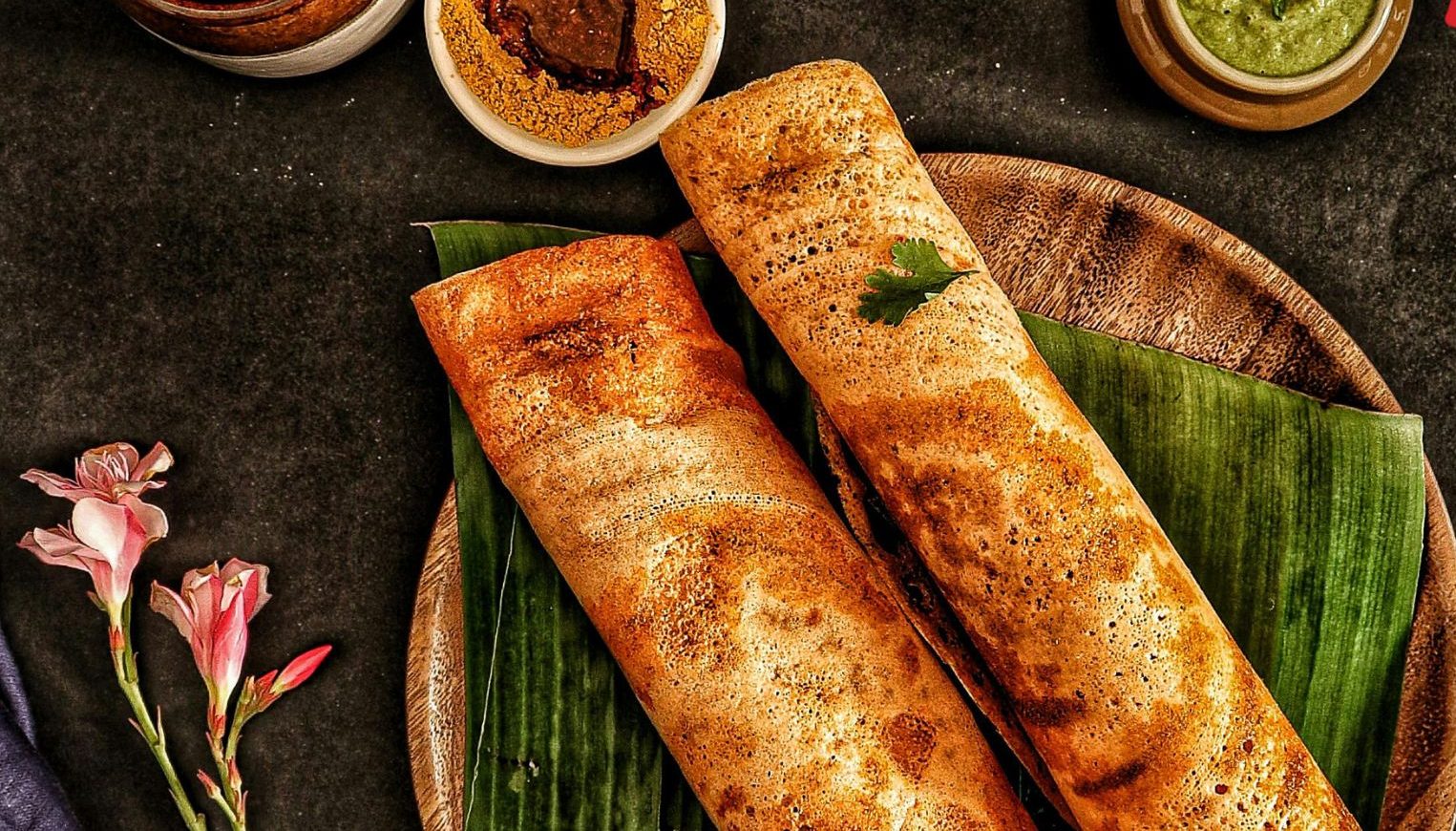
Masala dosa, along with other South Indian dishes such as idli, sambar, and vada, is a popular breakfast option for numerous households. Recognised for being light and easy to digest, these dishes are often considered a suitable way to begin the day. However, recent comments by celebrity fitness trainer Siddhartha Singh have raised concerns about the completeness of this traditional meal, particularly in the context of weight management.

The Health Debate Surrounding Dosa

In a recent video shared on Instagram, Singh sparked conversation by stating, “Stop having dosa for breakfast if you want to lose weight.” He clarified that his intention was not to disparage the dosa but to highlight its nutritional shortcomings. According to Singh, the dosa itself does not contain unhealthy ingredients; it is primarily made from rice and ground black gram fermented into a crepe. He also mentioned that sambar, typically served alongside, is made from lentils, which are generally considered a healthy food choice.

Singh pointed out that the primary issue lies in the satiety provided by the meal. He explained that a typical dosa, being made mostly from rice and lentils, is digested rapidly. While this can seem advantageous, it often leads to a quick return of hunger. “You will eat your dosa, and within one hour, you will feel hungry again,” he stated. This phenomenon may lead individuals to consume extra calories throughout the day, thereby hindering their weight loss goals.

The quick rise and subsequent drop in blood sugar levels, referred to as a high glycaemic response, may leave one feeling hungry sooner than desired. This can create a cycle of cravings that complicates weight management efforts.

Revising Breakfast Choices

Despite his critical remarks, Singh does not advocate for completely eliminating dosa from one’s diet. Instead, he suggests modifying the dish to enhance its nutritional profile. His recommendation includes adding crushed paneer to the filling or making a masala out of it. Incorporating protein into the meal can slow digestion and help maintain a feeling of fullness for a longer duration.

For those who may not prefer paneer, there are alternative options to consider that can also increase protein intake. Options such as paneer bhurji as a filling or serving eggs on the side can provide added nutrients. Additionally, including peanut or coconut chutney can contribute healthy fats and protein, while a thicker, dal-heavy sambar can complete the meal effectively.

The overarching aim is to create a more balanced breakfast that does not necessarily restrict one’s diet but enriches it with essential nutrients. By modifying the traditional dosa breakfast, individuals can ensure they feel satisfied and energised throughout the morning.

Conclusion on Dosa Breakfast Options

In conclusion, masala dosa is not inherently detrimental to health, but it may lack certain components that aid in sustaining energy levels. As per Siddhartha Singh’s insights, the key to an effective breakfast lies in enhancing traditional meals rather than discarding them altogether. By making informed choices, individuals can enjoy popular foods while simultaneously addressing their nutritional needs.

Long or Short, get news the way you like. No ads. No redirections. Download Newspin and Stay Alert, The CSR Journal Mobile app, for fast, crisp, clean updates!

App Store –  https://apps.apple.com/in/app/newspin/id6746449540 

Google Play Store – https://play.google.com/store/apps/details?id=com.inventifweb.newspin&pcampaignid=web_share

Latest News

Popular Videos
