


“21 Hours in Pakistan, No Deal”: JD Vance Leaves Pakistan Empty-Handed on Iran Talks
The CSR Journal Magazine

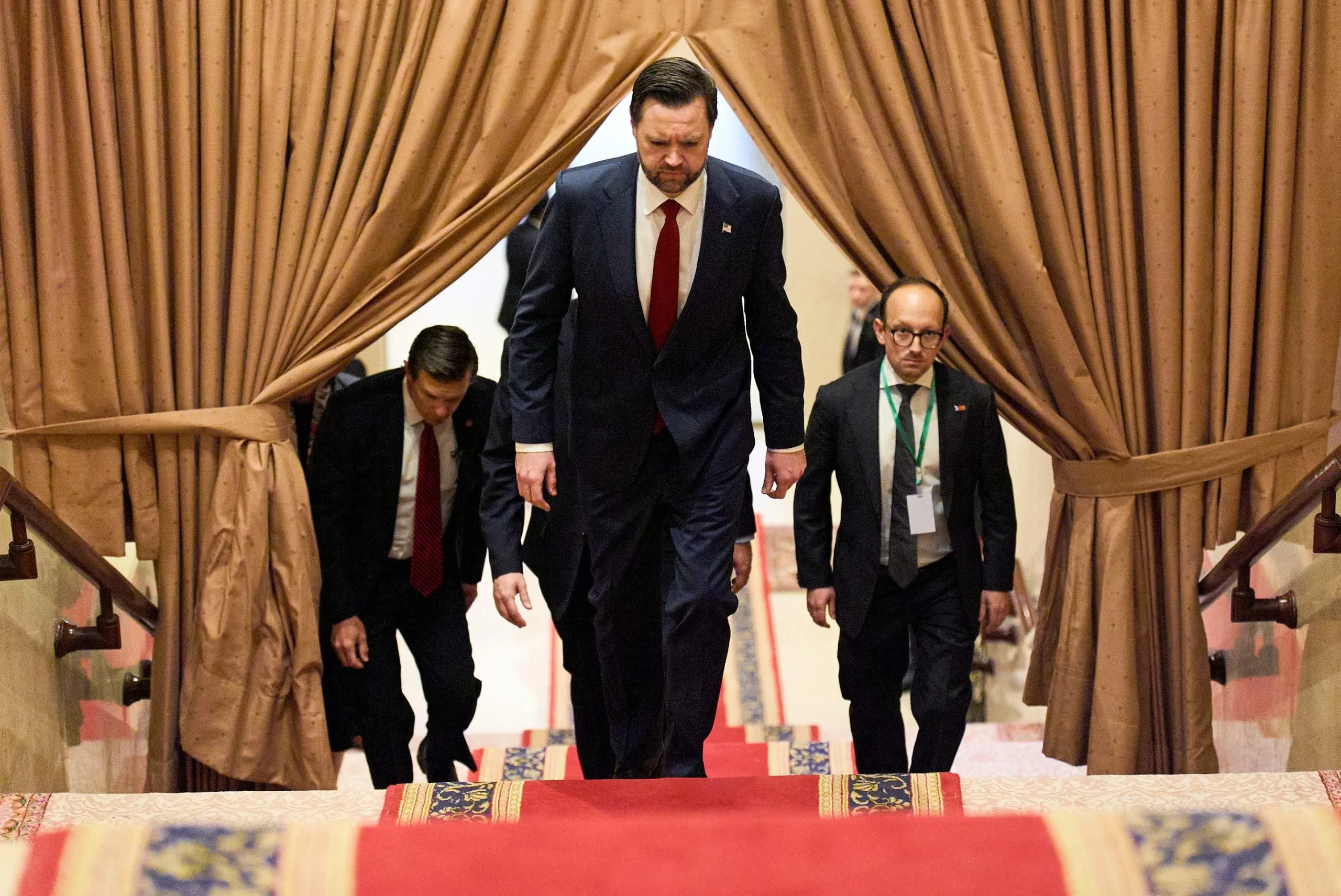
US Vice President JD Vance’s recent mission to Pakistan aimed at engaging in high-level talks regarding Iran concluded in failure, leaving key issues unresolved. Vance arrived in Islamabad amidst escalating tensions and concerns over a fragile ceasefire, but just 21 hours later, he departed without securing any agreements or significant breakthroughs. This brief diplomatic effort raised questions about its efficacy and Vance’s capacity to navigate such a complex scenario.

The Vice President, recognised as a prominent critic of US military involvement in the region, was chosen to lead discussions on Iran, marking the highest-level US-Iran dialogues in nearly fifty years. His mission was shrouded in secrecy and executed under considerable pressure, which consequently led to an environment replete with confusion and unmet expectations.

Discussions between the two nations stretched over nearly sixteen hours and were characterised by shifting demands and a lack of clarity, even among American delegates. Issues that emerged included Iran’s calls for the unfreezing of its overseas assets while US officials pushed back against these preconditions, complicating the atmosphere before negotiations could gain momentum.

Preparation and Execution Lacking Clarity

Unlike typical diplomatic engagements that benefit from extensive preparatory work, Vance’s team had just days to mobilise for this mission. The lack of groundwork became apparent as negotiations progressed. Officials in Washington were reportedly in a state of anxiety, seeking updates on the talks, which highlights the absence of a coherent strategy for the discussions.

Security measures in Islamabad were exceptionally stringent, with roads cleared and movements strictly monitored, ensuring that the talks remained insulated from public scrutiny. Despite the significant visuals surrounding the high-stakes mission, indicators of substantial progress were notably absent, leading many observers to view the situation with scepticism.

When Vance finally spoke to the media, the tone was one of disappointment. He acknowledged “shortcomings” and conceded that the US had not been able to extract firm commitments from Iran, particularly concerning its nuclear programme. His statement lacked detailed information, and he swiftly left the venue, with numerous critical issues unresolved, such as the fate of the ceasefire and the situation in the Strait of Hormuz.

Geopolitical Tensions Complicate Negotiations

The regional atmosphere remained highly charged, presenting additional challenges. While Vance was engaged in negotiations in Islamabad, President Donald Trump was publicly downplaying the urgency for an agreement, thus overshadowing the significance of the discussions. This stance reflected confidence in US superiority but simultaneously risked undermining the importance of Vance’s efforts.

Ultimately, this mission was a pivotal moment for Vance’s vice presidency, highlighting the difficulties he faced on the international stage. What was initially perceived as an opportunity to demonstrate diplomatic skills culminated in no agreements, a continued standoff, and increasing tensions in the region. The lack of deliverables from this visit raises concerns regarding future attempts to address the conflict.

The aftermath of Vance’s visit leaves various uncertainties regarding US-Iran relations and the broader geopolitical landscape. The immediate failure to achieve results not only marks a setback for Vance as a diplomat but also presents challenges for US foreign policy in a troubled region.

Long or Short, get news the way you like. No ads. No redirections. Download Newspin and Stay Alert, The CSR Journal Mobile app, for fast, crisp, clean updates!

App Store –  https://apps.apple.com/in/app/newspin/id6746449540 

Google Play Store – https://play.google.com/store/apps/details?id=com.inventifweb.newspin&pcampaignid=web_share

Latest News

Popular Videos
