


Hezbollah Rocket Attack Damages 1,500-Year-Old Israeli Church
The CSR Journal Magazine

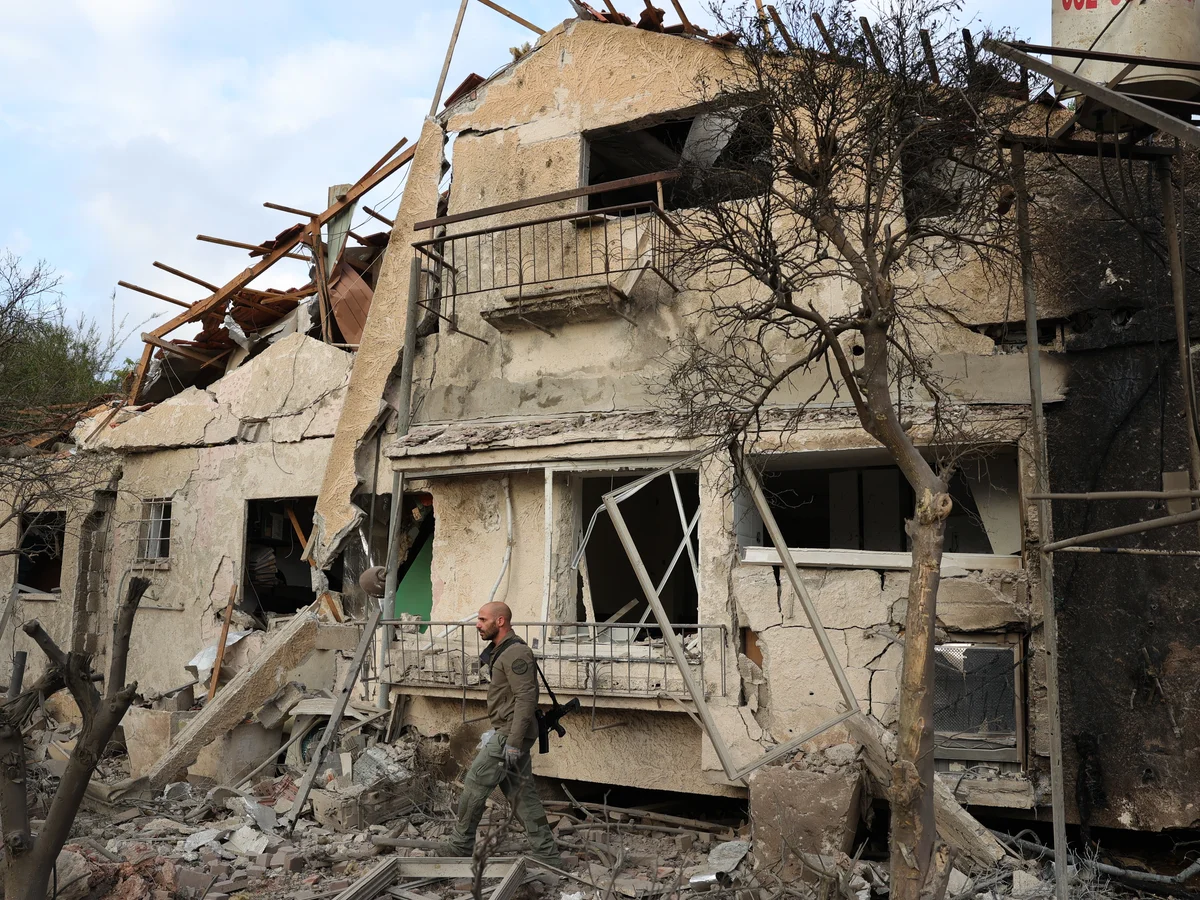
A recent barrage of rockets launched by Hezbollah targeted northern Israel, resulting in the damage of a significant historical structure, a 1,500-year-old Byzantine church located in the city of Nahariya. This incident marks a notable escalation in hostilities between Hezbollah and Israeli forces, following weeks of intense Israeli bombardment across various locations in Lebanon.

The church, which has stood for centuries and is vital to the local Christian community, reportedly sustained considerable damage during the attack. Local authorities are assessing the extent of destruction as clean-up efforts commence. The conflict has intensified, leading to heightened concerns about the protection of cultural heritage amidst ongoing military actions.

The timing of the attack aligns with a period of increased tensions and military activity along the border area, prompting security forces to be on high alert. This incident has drawn attention to the vulnerability of historical sites during armed conflicts, igniting discussions on the preservation of cultural heritage in war zones.

Background of the Conflict

The recent hostilities are part of a prolonged conflict characterized by periodic escalations between Hezbollah, a Lebanese militant group, and Israeli forces. The situation has seen cycles of violence, with each side launching strikes into the other’s territory. The current round of conflict follows prior military action, with rockets exchanged across the border, exacerbating tensions in an already volatile region.

The Israeli government has responded to the increase in rocket attacks with a series of retaliatory strikes aimed at Hezbollah positions within Lebanon. Reports indicate that these exchanges have resulted in civilian casualties and significant infrastructure damage on both sides, provoking international concern regarding the increasing militarisation of the conflict and its humanitarian implications.

The recent spate of violence is starkly highlighted by the targeting of significant landmarks, such as the Byzantine church, which holds historical and religious importance. Local communities are increasingly fearful about the safety of both people and cultural heritage as hostilities persist.

Reactions and Consequences

The damage to the Byzantine church has sparked outrage among local and international communities, with many voicing concerns over the impact of such actions on cultural heritage. Religious leaders and local officials have called for the protection of historical sites amidst military engagements, emphasising the role these places play in the collective identity of communities in the region.

As the clean-up of the damaged church begins, a broader dialogue on the preservation of cultural heritage during conflicts is gaining traction. Experts in heritage management are expressing the need for frameworks that would safeguard historic sites from destruction during warfare, advocating for international laws that address these concerns adequately.

The current situation remains precarious as ongoing military operations continue to evolve. International observers are closely monitoring developments, with speculation surrounding potential diplomatic efforts aimed at de-escalating hostilities in an attempt to foster dialogue and ensure the protection of invaluable cultural assets in the region.

Long or Short, get news the way you like. No ads. No redirections. Download Newspin and Stay Alert, The CSR Journal Mobile app, for fast, crisp, clean updates!

App Store –  https://apps.apple.com/in/app/newspin/id6746449540 

Google Play Store – https://play.google.com/store/apps/details?id=com.inventifweb.newspin&pcampaignid=web_share

Latest News

Popular Videos
