


Voter Roll Shake-Up in Uttar Pradesh: 2.04 Crore Names Deleted, BJP Strongholds Hit
The CSR Journal Magazine

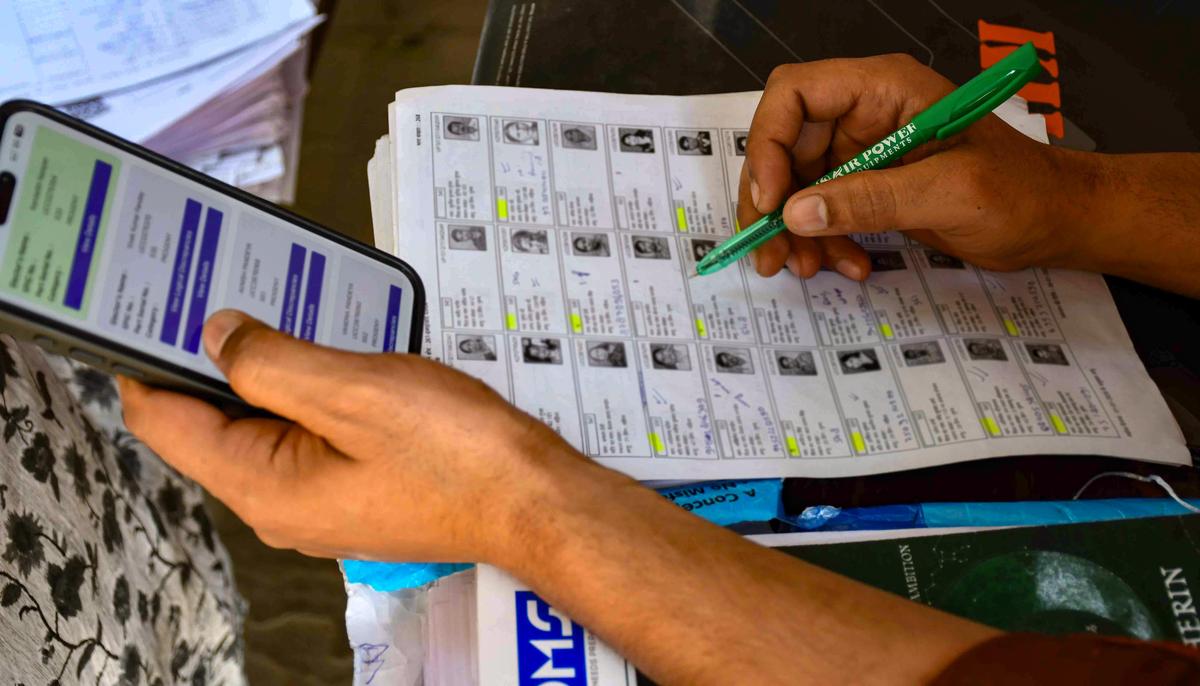
The recent Special Intensive Revision (SIR) of the electoral rolls in Uttar Pradesh has posed challenges for the Bharatiya Janata Party (BJP). A total of 2.04 crore names have been eliminated from the state’s voter lists, revealing a considerable impact on regions traditionally supportive of the BJP compared to those with larger Muslim populations.

Data analysis indicates that the total voter base in Uttar Pradesh has contracted by 13.24 per cent, marking the second-highest rate of voter deletions in India after Gujarat. The findings appear to align with Chief Minister Yogi Adityanath’s prior assertions regarding a potential disproportionate effect on the votes of BJP supporters during this revision process.

Lucknow, the capital city, recorded the highest percentage of voter deletions in the state, with its electorate diminishing by approximately 23 per cent. Other notable districts, such as Ghaziabad, experienced a decline exceeding 20 per cent, while Kanpur, Noida, and Meerut showed reductions between 18 and 19 per cent.

Contrasting Trends in Muslim-Dominated Areas

In stark contrast to the declining electoral strength in BJP-dominated regions, districts with considerable Muslim populations exhibited significantly lower rates of deletions. Bijnor, Moradabad, and Saharanpur, for instance, reported reductions of around 10 to 12 per cent, substantially beneath the state average of 13.24 per cent.

Muzaffarnagar, where Muslims make up nearly 40 per cent of the population, also demonstrated fewer deletions compared to the overall state trend. The contrasts illustrate a markedly different political landscape, where areas with substantial Muslim demographics have remained relatively stable in electoral presence despite the broader decline.

Overall, BJP-dominated regions experienced an average voter deletion rate exceeding 20 per cent, whereas Muslim-majority districts managed to keep deletions to around 10 to 12 per cent. This disparity raises questions regarding the electoral implications as Uttar Pradesh approaches crucial future elections.

Implications for BJP’s Electoral Strategy

The BJP has historically advocated for the revision of electoral rolls across the nation. However, the findings from the latest revision in Uttar Pradesh may necessitate a reevaluation of the party’s electoral strategy, especially with the upcoming 2027 Assembly elections in mind. The loss of voter presence in critical strongholds could shift the dynamics of electoral competition in the state.

As political parties prepare for the approaching elections, analysing voter base changes will be essential. The BJP may need to consider new strategies to address the significant electoral shifts indicated by this revision. Maintaining voter engagement and addressing the underlying issues contributing to deletions will be pivotal for the party’s future.

In conclusion, the electoral roll revision in Uttar Pradesh not only reveals a substantial decline in the voter base, particularly in BJP strongholds, but also highlights a more stable electorate in Muslim-majority areas. The party’s response to these developments will be closely scrutinised as it navigates the political landscape ahead of the 2027 elections.

Long or Short, get news the way you like. No ads. No redirections. Download Newspin and Stay Alert, The CSR Journal Mobile app, for fast, crisp, clean updates!

App Store –  https://apps.apple.com/in/app/newspin/id6746449540 

Google Play Store – https://play.google.com/store/apps/details?id=com.inventifweb.newspin&pcampaignid=web_share

Latest News

Popular Videos
