


Meaning and Usage of the Word ‘Laconic’
The CSR Journal Magazine

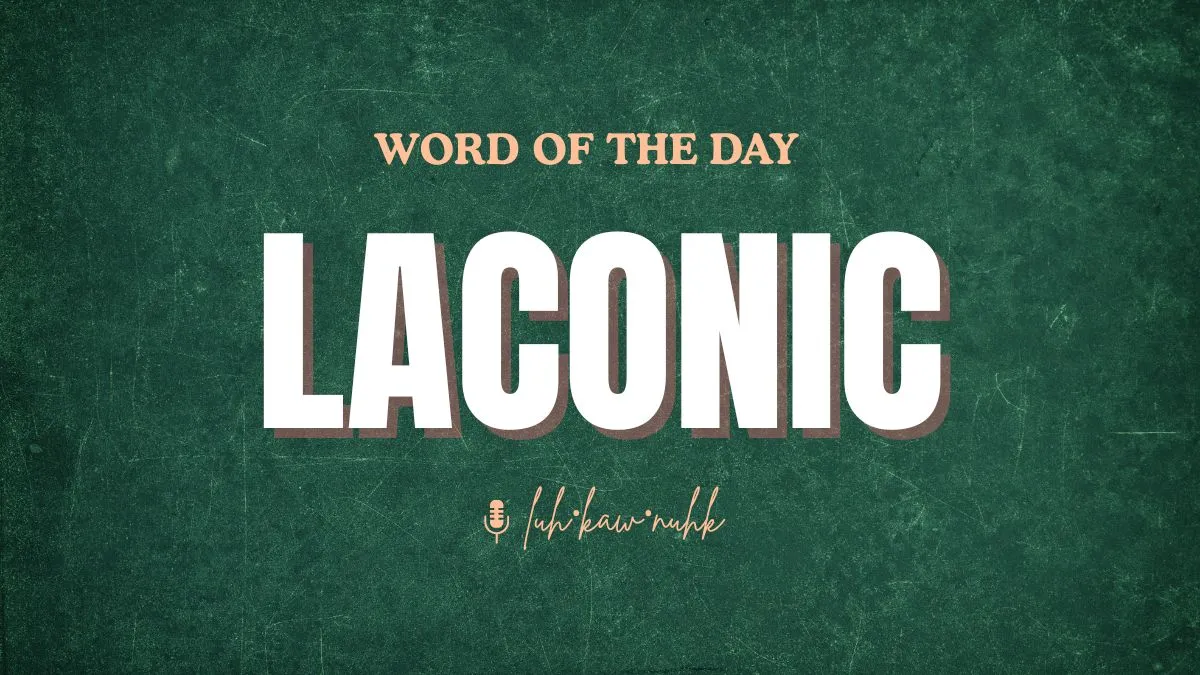
The term ‘laconic’ refers to a communicative style characterised by brevity and the use of few words. This word, deriving from a region in Greece known for its concise manner of speech, highlights the ability to convey significant meaning without lengthy explanations. In contemporary contexts, being laconic does not imply rudeness but rather a clear and confident approach to communication.

Examples of Laconic Communication

‘Laconic’ can describe various forms of expression, such as verbal responses or written communications. It is often utilised in both formal and informal settings to illustrate a succinct communication style. For instance, a person responding with “Not interested” instead of providing a lengthy rationale exemplifies a laconic manner. This effectiveness in brevity can enhance the clarity of interactions.

Examples of laconic usage in sentences include: “His laconic reply ended the discussion quickly,” which indicates that a brief response can conclusively resolve a conversation. Similarly, “She gave a laconic answer during the interview” illustrates how concise responses can be appropriate in professional scenarios. The phrase “The coach was known for his laconic instructions” further emphasises that clear, short directions can be preferable in guiding teams.

Using the term ‘laconic’ not only conveys a specific communication style but also adds an element of precision to descriptions of interactions. It allows speakers and writers to emphasise the avoidance of unnecessary details, which can often muddle messages unnecessarily.

Enhancing Communication with Laconic Style

Employing the word ‘laconic’ in everyday conversation can enhance clarity and confidence in communication. For example, when referring to someone whose spoken contributions are limited yet impactful, one could articulate, “He has a laconic style.” This phrasing succinctly captures the essence of efficient communication, demonstrating an understanding of the importance of word economy.

In various environments, such as interviews or presentations, adopting a laconic approach can signal both assertiveness and authority. By focusing on delivering concise yet meaningful messages, individuals can engage their audience more effectively. Particularly in high-pressure situations, this communicative style can foster stronger connections and ensure that key points are adequately highlighted.

Moreover, the value of brevity in expression is relevant not solely in professional settings but also in casual discussions. Integrating the concept of being laconic into daily interactions encourages more purposeful exchanges and can lead to greater understanding. This practice demonstrates the individual’s ability to articulate thoughts clearly, ultimately making interactions more enjoyable and productive.

Conclusion on Laconic Communication

The concept of being laconic plays a significant role in various forms of communication, emphasising clarity and precision through brevity. Understanding and applying this term can improve both personal and professional dialogues, reinforcing the effectiveness of concise responses. Consequently, embracing a laconic style may lead to more impactful interactions across diverse contexts.

Concisely expressing thoughts and ideas can help distil information, making it easier for audiences to grasp essential messages quickly. Promoting this style of communication ensures that every word counts and strives to convey the desired sentiment without unnecessary elaboration.

Long or Short, get news the way you like. No ads. No redirections. Download Newspin and Stay Alert, The CSR Journal Mobile app, for fast, crisp, clean updates!

App Store –  https://apps.apple.com/in/app/newspin/id6746449540 

Google Play Store – https://play.google.com/store/apps/details?id=com.inventifweb.newspin&pcampaignid=web_share

Latest News

Popular Videos
