


Mumbai LPG Crisis Triggers Migrant Exodus, Construction & Hospitality Sectors Hit Hard
The CSR Journal Magazine

The recent LPG crisis has led to a notable departure of migrant workers from Mumbai, causing significant challenges for the city’s construction sector. One prominent developer, Amir Lakdawala of the Lakdawala Group, reported a sharp decline in manpower across construction sites. He highlighted that on one of his sites, 18 out of 20 workers have left abruptly, with some abandoning personal belongings in their haste to depart.

To counter the exodus, many developers are attempting to provide incentives, such as free meals and increased wages, but these measures have not proved effective in retaining labour. Lakdawala noted that the rise in raw material costs combined with advance payments to suppliers means that project delays are likely to become unavoidable as a result of dwindling manpower.

The impact of the crisis is evident on construction sites. Mohammed Azad, one of the remaining workers, expressed growing uncertainty, stating that if conditions do not improve soon, he too might leave. He remarked that the rising cost of eating out has contributed to a feeling of desperation among the workers, many of whom are choosing to return to their villages.

Struggles for Daily Survival Intensify

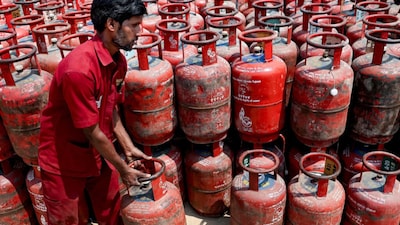
Amidst the ongoing crisis, those who remain in the city are facing increasing difficulties in securing essential resources. Construction worker Abul Hasan described the challenge of acquiring a 5-kg gas cylinder, which took him nearly six hours. He indicated that cooking at home is now the only viable option for survival, as food from restaurants has become prohibitively expensive.

Hasan stated that the situation is becoming unsustainable, hinting at a possibility of returning to his village if conditions do not change. The difficulty in obtaining basic necessities is causing a significant toll on the mental and physical well-being of the remaining workers.

Hospitality Sector Experiences Severe Disruption

Despite these efforts, the cost of doing business has surged. Khan explained that at his Govandi outlet, commercial LPG cylinders now cost as much as Rs 6,000, a sharp increase from the previous price of around Rs 1,800. Although a 10 per cent surcharge has been introduced to accommodate the rise in expenses, it barely covers the escalating costs of coal, oil, and raw materials, leading to operations being conducted at a loss.

Industry insiders have voiced concerns that if the supply of LPG does not stabilise soon, prolonged disruptions in both the construction timelines and hospitality services will likely occur. The ongoing worker shortage highlights the fragility of the migrant labour force and the challenges faced by businesses in Mumbai.

Long or Short, get news the way you like. No ads. No redirections. Download Newspin and Stay Alert, The CSR Journal Mobile app, for fast, crisp, clean updates!

App Store –  https://apps.apple.com/in/app/newspin/id6746449540 

Google Play Store – https://play.google.com/store/apps/details?id=com.inventifweb.newspin&pcampaignid=web_share

Latest News

Popular Videos
