


Bangladesh Initiates Emergency Vaccination Programme Amid Measles Outbreak
The CSR Journal Magazine

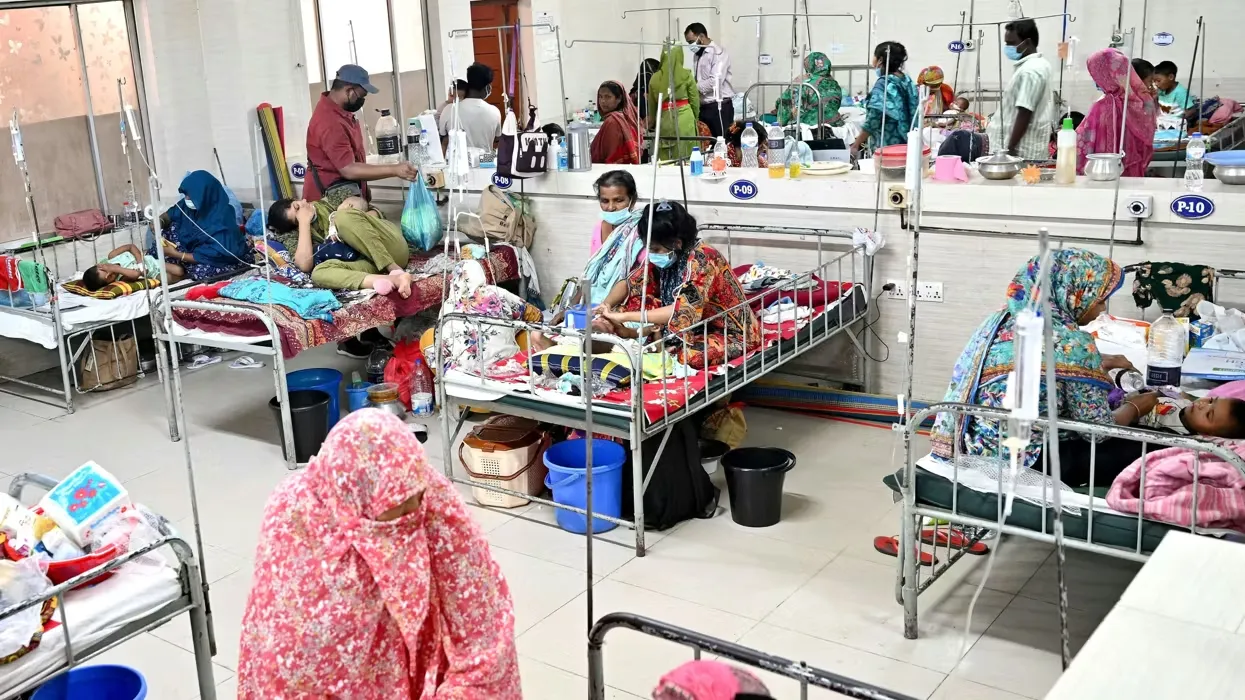
Bangladesh has initiated a significant emergency vaccination initiative following the deaths of over 100 children amid a large-scale measles outbreak that has reportedly been ongoing since mid-March 2026. Health officials have indicated that thousands are suspected to be infected, which has raised alarms throughout the nation.

The United Nations Children’s Fund (UNICEF) has pointed out that the recognised immunisation schedule in Bangladesh includes two doses of the measles-rubella (MR) vaccine, typically administered at nine and fifteen months of age. Concerns have been particularly pronounced regarding infections in infants younger than nine months, who are not yet eligible for regular immunisation.

This emergency vaccination effort, supported by UNICEF, the World Health Organization (WHO), and Gavi, the Vaccine Alliance, targets over 1.2 million children aged six months to five years across eighteen high-risk districts in Bangladesh.

Understanding Measles Transmission

Measles, caused by the Rubeola virus, is known to be exceedingly contagious. It spreads through the air, placing all unvaccinated individuals at risk. Typically, symptoms manifest within ten to fourteen days after exposure, presenting as high fever, runny nose, cough, red and watery eyes, and the appearance of small white spots on the inside of the cheeks.

The most noticeable symptom is the rash, which usually starts on the face and upper neck before extending to other parts of the body. While measles primarily affects children, vaccination remains the most effective means to prevent infection and subsequent transmission. Complications from measles can include serious health issues such as encephalitis, ear infections, blindness, severe diarrhoea, dehydration, and pneumonia, particularly in children under five.

There is no specific treatment for measles, with management focusing on alleviating symptoms. Virologist T Jacob John mentioned that the current outbreak’s cause is not clearly defined, but it could be due to unvaccinated older children transmitting the virus to younger infants who are not yet eligible for vaccination.

Global Context and Response

The measles-mumps-rubella (MMR) vaccine is widely regarded as the benchmark for measles prevention. In Bangladesh, under the Universal Immunization Programme (UIP), the MR vaccine is typically administered in two doses: the first at nine to twelve months and the second between sixteen and twenty-four months. Issues arise in developing nations where children may receive their first dose earlier than the optimal one-year mark due to ongoing viral circulation.

Research published in The Lancet has indicated significant reductions in measles cases and fatalities from 2000 to 2024, yet outbreaks continue to keep the disease present. The WHO asserts that a vaccination coverage rate of at least ninety-five per cent is essential to halt the transmission of the measles virus. As of 2024, global coverage for the initial dose was reported at eighty-four per cent, with pandemic-related disruptions adversely affecting routine vaccinations.

Past reports have revealed instances where unvaccinated individuals have reintroduced measles to areas previously free of the disease, compounding concerns about vaccine apprehension and misinformation. Experts stress the necessity for robust immunisation programmes and assurance of vaccine potency for effective elimination of the disease.

Implications for Neighbouring India

Despite the situation in Bangladesh, experts suggest that India need not panic but should remain vigilant. Dr Vivek Jain, Senior Director at Fortis Hospital in Delhi, noted that the outbreak serves as a crucial reminder regarding the rapid resurgence of measles in the presence of vaccination gaps.

Measles outbreaks have previously affected various regions in India, most notably in late 2022, when over thirty thousand cases were recorded, especially in states such as Maharashtra, Kerala, Jharkhand, and Gujarat. India has encountered challenges in achieving its measles elimination targets in recent years, with objectives set for 2015, 2020, and 2023 not fully realised. The target is now to eliminate measles by 2026, with current vaccination coverage estimates at ninety-three point seven per cent for the first dose and ninety-two point two per cent for the second dose.

To bolster public health efforts, experts recommend enhancing border surveillance, ensuring timely identification of potential cases, and executing catch-up vaccination campaigns in areas with historically low immunisation rates.

Long or Short, get news the way you like. No ads. No redirections. Download Newspin and Stay Alert, The CSR Journal Mobile app, for fast, crisp, clean updates!

App Store –  https://apps.apple.com/in/app/newspin/id6746449540 

Google Play Store – https://play.google.com/store/apps/details?id=com.inventifweb.newspin&pcampaignid=web_share

Latest News

Popular Videos
