


Iran Rejects Trump Peace Proposal, Cites Sovereignty Concerns
The CSR Journal Magazine

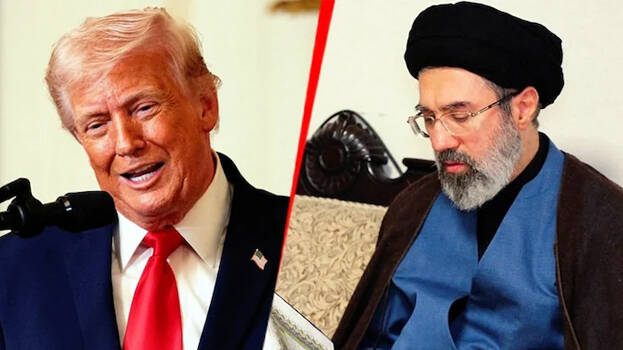
The Iranian government has officially turned down a peace proposal put forth by former U.S. President Donald Trump, labeling the suggested ceasefire as unreasonable. The Iranian leadership has articulated its concerns by asserting that the proposal infringes upon three essential clauses that are considered critical to any peace agreement.

Details of the Proposal and Its Reception

The peace initiative proposed by Trump aimed to address ongoing tensions in the region and outlined provisions for a ceasefire to be enacted immediately. However, Iranian officials have contested these proposals, arguing that they do not adequately respect Iran’s sovereignty and interests. The rejection comes at a time of heightened scrutiny over diplomatic relations between Iran and the United States, following a series of contentious interactions that have further strained ties.

Key Clauses Under Scrutiny

Iran’s administration has specified that the Trump proposal contravenes three key clauses that they view as non-negotiable. While the exact nature of these clauses has not been publicly detailed, officials stress that they form the backbone of any viable peace framework. The Iranian perspective emphasizes the need for mutual respect and acknowledgment of territorial integrity in any discussions regarding truce and cooperation.

Context of U.S.-Iran Relations

The diplomatic landscape between the United States and Iran has been fraught with tension for several years, especially since the U.S. withdrawal from the Joint Comprehensive Plan of Action (JCPOA) in 2018. Since that withdrawal, Iran has accelerated its nuclear program while also facing heavy sanctions, which they claim are detrimental to their economy and international standing. This complex backdrop plays a significant role in Iran’s assessment of any peace proposals from American leadership.

International Reactions

The rejection of Trump’s peace proposal has elicited varied responses from the international community, with some analysts suggesting that Iran’s stance may complicate future negotiations aimed at stabilizing the region. Conversely, others speculate that the public nature of the rejection could be a tactic by Iran to assert its position both domestically and internationally, signaling a commitment to its national interests amidst external pressures.

The Future of Peace Talks

In light of this rejection, the prospect of sustained peace talks between Iran and the United States appears dim. The Iranian administration has reiterated its commitment to its policies and has expressed the necessity for a comprehensive and fair negotiation process that addresses their key concerns. This development places the future of diplomatic efforts in a precarious position, as dialogues aimed at reaching an understanding may become increasingly difficult without fundamental agreement on core issues.

Long or Short, get news the way you like. No ads. No redirections. Download Newspin and Stay Alert, The CSR Journal Mobile app, for fast, crisp, clean updates!

App Store –  https://apps.apple.com/in/app/newspin/id6746449540 

Google Play Store – https://play.google.com/store/apps/details?id=com.inventifweb.newspin&pcampaignid=web_share

Latest News

Popular Videos
