


Royal Feast Revealed: Viral Baroda Menu Unveils a Century-Old Fusion of Global Flavours
The CSR Journal Magazine

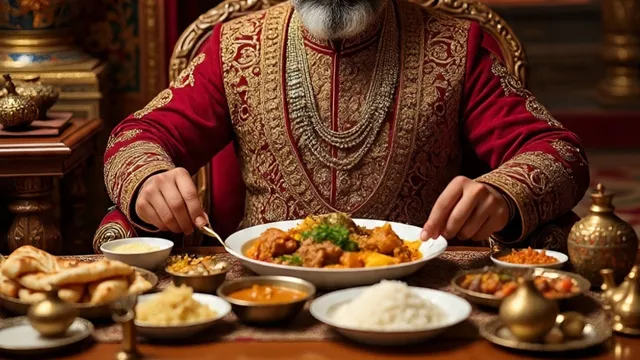
The recent emergence of an elaborate menu from a royal state dinner hosted at Makarpura Palace in Baroda has captivated social media users worldwide. This menu, attributed to Maharaja Sayajirao Gaekwad III during a gathering for Maharaja Madhavrao Scindia I, showcases a refined culinary artistry that predates contemporary dining experiences. The document, which dates back over a century, bears the Maharaja’s seal, evidencing the historical significance of such gastronomic displays among Indian royalty.

Details of the Exquisite Dishes

This vintage menu echoes the elegance of European fine-dining traditions. The meal served at the gathering featured a range of sophisticated dishes, starting with Anchois la Norvégienne, cold anchovies, and Pure d’asperges, a delicate asparagus purée. Following these starters, guests enjoyed a delectable fish dish known as Poisson la Villeroy, alongside Ctelettes de livre l’allemande, German-style hare cutlets that contributed a robust flavour profile to the meal.

Other notable dishes included Salad Russe, a popular Russian salad, and Cauliflower la Hollandaise, which comprised cauliflower in a rich buttery sauce. The menu further demonstrated the variety of influences through a comforting combination of shrimp curry and rice, termed Crevettes curry et ris. The diverse dish selections highlight the availability of international ingredients, reflecting the expansive culinary landscape of the time.

Desserts rounded off the meal with Pistachoo Pudding (Chaud), a warm pistachio delicacy, complemented by Glace la Japonaise, a refined French ice cream variant. This impressive culinary array not only showcases the Maharaja’s extensive palate but also signifies an era where eclectic dining experiences began to take shape.

Cultural Implications of the Menu’s Revival

The viral nature of the menu taps into a broader conversation about India’s historical engagement with global culinary traditions. Neha Vermani, an academic focusing on early modern South Asia, shared a separate menu highlighting dishes such as fish in mayonnaise sauce and Italian-style mutton cutlets. This reveals a consistent pattern of culinary experimentation among Indian royals during their interactions with guests from other princely states.

Visibility of French-style menus during these occasions symbolised a sense of modernity and awareness of global trends in cooking. The influence of colonial history facilitated the introduction of European delicacies, which became synonymous with luxury and refinement within Indian royal households. Meals were not merely functional; they served as a prism through which both status and cultural integration were communicated.

The recent interest in these historical menus sheds light on a culinary legacy that resonates with contemporary concepts of modern gastronomy. The royal kitchens were not simply repositories of traditional Indian cuisine; they were dynamic spaces where culinary influences converged, ultimately enriching the royal dining experience in multifaceted ways.

Long or Short, get news the way you like. No ads. No redirections. Download Newspin and Stay Alert, The CSR Journal Mobile app, for fast, crisp, clean updates!

App Store –  https://apps.apple.com/in/app/newspin/id6746449540 

Google Play Store – https://play.google.com/store/apps/details?id=com.inventifweb.newspin&pcampaignid=web_share

Latest News

Popular Videos
