


Pakistan-Brokered US–Iran Truce Faces Doubts as Israel Rejects Lebanon Clause
The CSR Journal Magazine

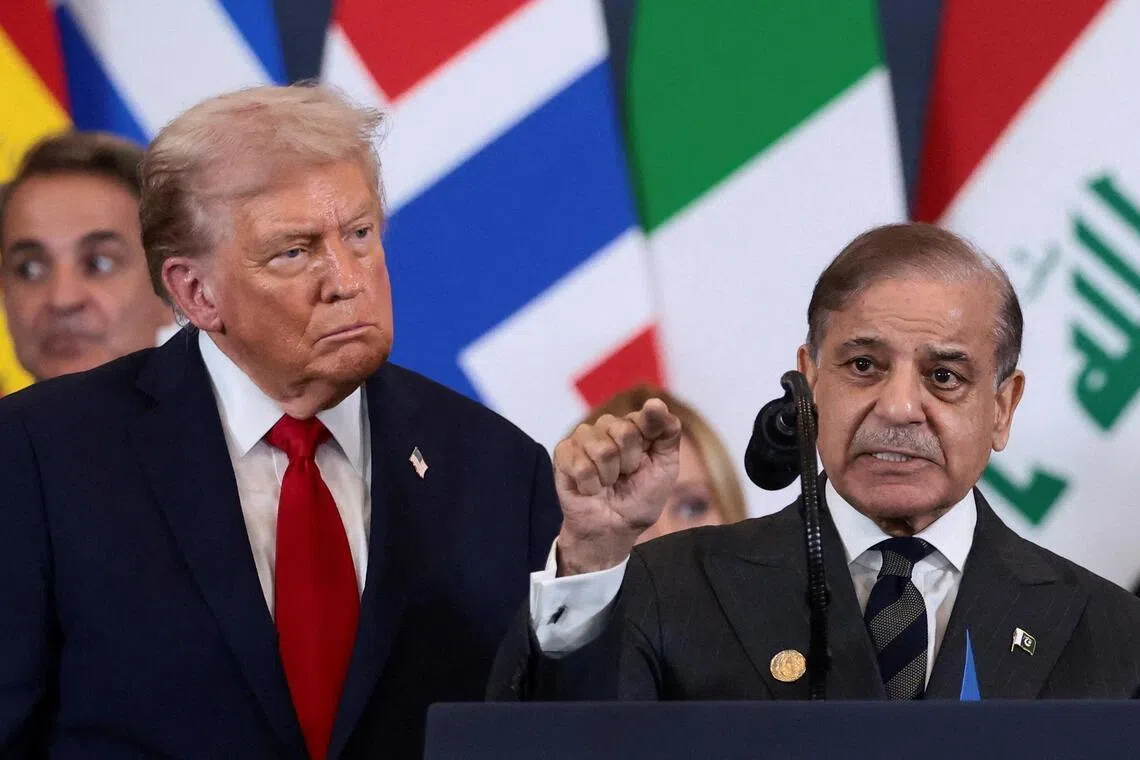
Pakistan celebrated a significant diplomatic achievement by mediating a ceasefire agreement between the United States and Iran. However, the situation rapidly deteriorated as Israel launched extensive airstrikes against Lebanon, an ally of Iran, leading to widespread confusion regarding the ceasefire’s scope. The core question emerged: was Lebanon included in the ceasefire deal?

Shortly after the announcement, which was made by Pakistani Prime Minister Shehbaz Sharif, conflicting claims surfaced between the involved parties. While Iran maintained that Lebanon was covered by the ceasefire, both the US and Israel categorically rejected this interpretation, arguing that Lebanon had never been part of the agreement. This discrepancy has placed Pakistan in a challenging position as the mediator.

Diverging Perspectives on the Ceasefire Terms

The announcement from Prime Minister Shehbaz Sharif, which included a clear declaration that the ceasefire applied “everywhere, including Lebanon,” added to the complexity. Pakistan’s ambassador to the US, Rizwan Saeed Sheikh, supported this statement, asserting that the ceasefire framework indeed encompassed Lebanon. Sheikh also acknowledged, however, that ceasefires in the region tend to be fragile.

Contrarily, Israeli Prime Minister Benjamin Netanyahu firmly stated that the ceasefire did not extend to Lebanon, and this disagreement led to a surge in hostilities shortly after the announcement. Israeli airstrikes reportedly resulted in the deaths of over 250 individuals and left more than 1,000 injured within hours of the ceasefire declaration.

The ongoing conflict in Lebanon escalated following attacks from the Iran-aligned group Hezbollah against Israel. In response, Israel has intensified its military actions, which have killed over 1,500 people in Lebanon since early March.

Aftermath and Implications for Pakistan’s Role

Following the ceasefire announcement, Iranian officials alleged that the US and Israel were in violation of the agreement. Mohammad Bagher Ghalibaf, Speaker of Iran’s Parliament, argued that under the current circumstances, talks or ceasefires were impractical. This sentiment was echoed by recent moves from Iran, which briefly opened the Strait of Hormuz before closing it again, halting oil tanker movements, as reported by state-run Fars news agency.

As the situation developed, questions arose regarding Pakistan’s efficacy as a mediator. Reports from Iranian media suggested that discrepancies may have occurred between the versions of the ceasefire supplied to the US and Iran. Allegations hinted that Pakistan may have miscommunicated crucial details, contributing to the discord between the parties.

US Vice President JD Vance indirectly referenced these concerns while addressing reporters, suggesting that Iranian negotiators were led to believe that Lebanon was part of the ceasefire, despite this not being the case. Vance’s comments implied a substantial misunderstanding, underscoring the need for clearer communication regarding the terms agreed upon.

The developments following the ceasefire announcement have placed Pakistan’s diplomatic role under intense examination. Critics have pointed to a lack of clarity and precision in the communication of the terms, leading to conflicting expectations. The implications for future mediation efforts and Pakistan’s standing in international diplomacy remain to be seen as the situation continues to evolve.

Long or Short, get news the way you like. No ads. No redirections. Download Newspin and Stay Alert, The CSR Journal Mobile app, for fast, crisp, clean updates!

App Store –  https://apps.apple.com/in/app/newspin/id6746449540 

Google Play Store – https://play.google.com/store/apps/details?id=com.inventifweb.newspin&pcampaignid=web_share

Latest News

Popular Videos
