


Supreme Court of India Says ‘Bas***d’ Not Obscene Under Section 294 IPC in Key Ruling
The CSR Journal Magazine

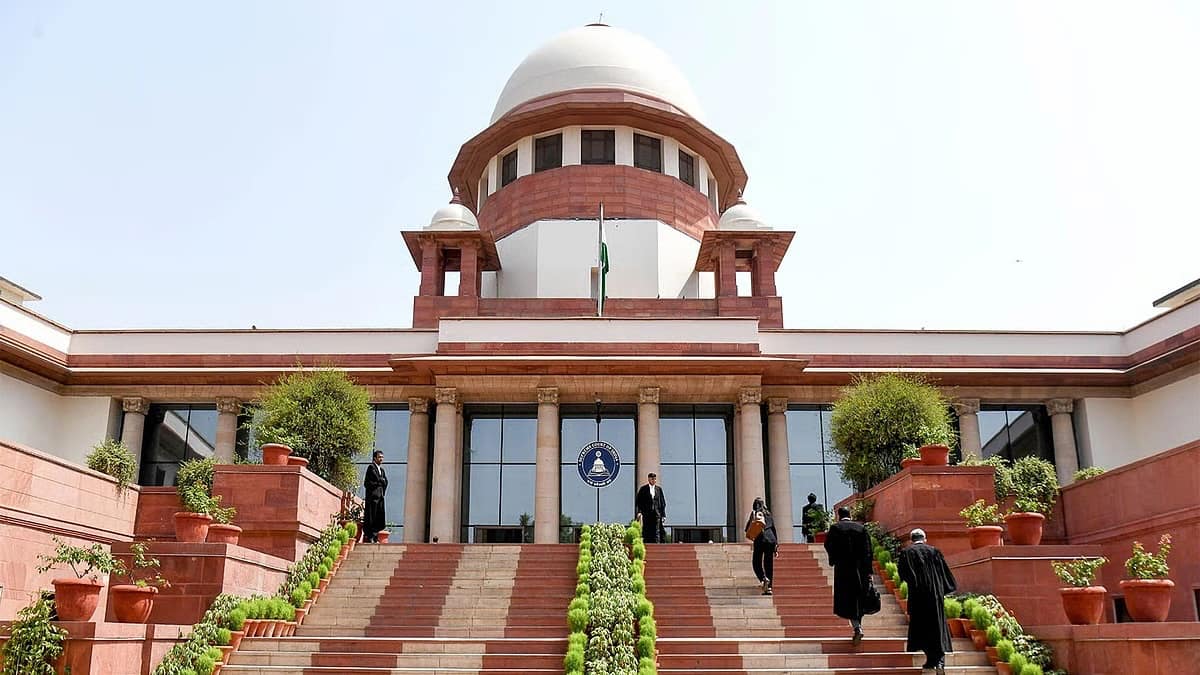
The Supreme Court, in a pivotal judgement, has determined that the use of the term “bas***d” during a disputed altercation does not constitute obscenity as defined under Section 294 of the Indian Penal Code. This ruling was delivered on April 6, 202, by a Bench that included Justice P.S. Narasimha and Justice Manoj Misra.

The Court clarified that for a conviction under Section 294 IPC to be justified, the language must possess a sexual or prurient element, which the term in question reportedly does not. The justices stated, “In our view, mere use of the word ‘bas***d’, by itself, is not sufficient to arouse the prurient interest of a person,” reinforcing the idea that abusive language alone does not meet the threshold for obscenity.

Case Background Involving Property Dispute

The ruling arose from an earlier conviction of two individuals by the Madras High Court, which found them guilty under Section 294(b) IPC during a family property dispute. This altercation occurred over a common boundary where the deceased was reportedly trying to enclose the land.

During the dispute, the accused allegedly used the term “bas***d,” leading to their conviction on charges of obscenity. In response to the Supreme Court’s summons, the accused contended that the use of this term did not constitute a violation of Section 294 IPC. Conversely, the State maintained that the abusive language warranted prosecution under this provision.

The Supreme Court dismissed the State’s argument, asserting that the word in question does not have an inherent sexual or prurient meaning and thus cannot be classified as obscene. This clarification aims to distinguish between mere abusive language and obscene content under the law.

Definition of Obscenity Under Indian Law

The Court noted the absence of a specific definition for “obscene” within the Indian Penal Code. It referred to Section 292 IPC to explain that obscenity pertains to material that might provoke a prurient interest. The Bench contended, “The word ‘obscene’ is not specifically defined in IPC. However, by referring to Section 292 of IPC, it has been construed as something which has the potential to appeal to the prurient interest of a person.”

In drawing from a previous ruling in the case of Apoorva Arora v State, the Court reiterated that obscenity is about content that elicits sexual or lustful thoughts, rather than language that may shock or offend sensibilities.

The justices elaborated, stating that “vulgarity and profanities do not per se amount to obscenity.” They indicated that while certain language may be considered distasteful or improper, this alone does not qualify it as obscene as per legal standards.

Implications of the Ruling for Abusive Language

This verdict is significant as it provides clarity on the application of Section 294 IPC concerning everyday speech. The Supreme Court concluded that the provision cannot be invoked in instances where the language used is abusive or vulgar, if it lacks a sexual element. Hence, the conviction of the appellants was overturned in light of this interpretation of obscenity.

The judgement reinforces the distinction between offensive language commonly used in daily interactions and the legal definition of obscenity. As a result, individuals may engage in heated discussions without the fear of legal repercussions for using profane language, provided it does not involve sexual connotations.

Overall, this ruling facilitates a clearer understanding of legal expectations regarding speech and contributes to the ongoing discourse regarding freedom of expression in India.

Long or Short, get news the way you like. No ads. No redirections. Download Newspin and Stay Alert, The CSR Journal Mobile app, for fast, crisp, clean updates!

App Store –  https://apps.apple.com/in/app/newspin/id6746449540 

Google Play Store – https://play.google.com/store/apps/details?id=com.inventifweb.newspin&pcampaignid=web_share

Latest News

Popular Videos
