


Unseasonal Cold to Affect Large Parts of India Due to Rain and Hail
The CSR Journal Magazine

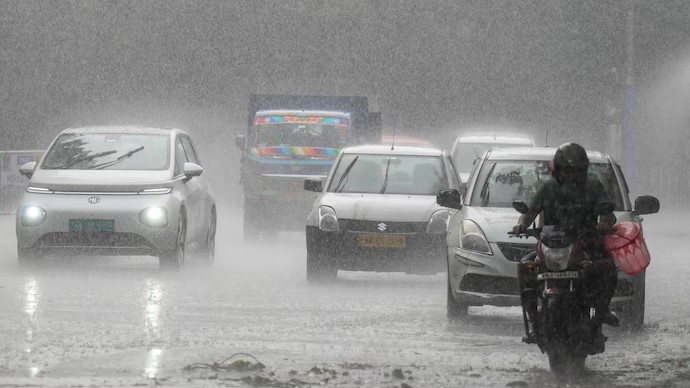
Unseasonal rain and hailstorms are expected to impact extensive areas of India starting from Wednesday, April 8, 2026. An active western disturbance is currently traversing the country, as reported by the India Meteorological Department (IMD), which has issued warnings for severe weather events. Intense thunderstorms, lightning, and high winds are anticipated, particularly in the northwest, central, and eastern parts of the nation.

Forecast for Northwest India

The western disturbance, presently located over northeastern Pakistan and bordering Afghanistan, is generating widespread light to moderate rainfall and snowfall across the Western Himalayan Region. Himachal Pradesh is predicted to face isolated heavy rainfall on April 8. In the adjoining plains, including Punjab, Haryana, Chandigarh, Delhi, and Uttar Pradesh, scattered to fairly widespread rainfall is forecast, alongside gusty winds ranging from 40 to 50 kilometres per hour. Isolated hailstorms may also occur, posing a potential threat to standing rabi crops in these states.

In Delhi, the maximum temperature is expected to remain below normal, offering a brief respite from the usual warmth experienced in April. However, the IMD cautions that after April 9, as the weather system weakens, temperatures are likely to rise again.

Residents are advised to take precautions during thunderstorms, including staying indoors and avoiding sheltering under trees because of the risks posed by lightning and falling branches. This advisory applies particularly in the affected areas in the northwest.

Conditions in East and Northeast India

In East India, a more intense weather pattern is anticipated, with thunder squalls and wind speeds reaching between 60 and 70 kilometres per hour, with gusts potentially increasing to 80 kilometres per hour over Gangetic West Bengal. States such as Bihar, Jharkhand, and Odisha are also expected to experience significant thunderstorm activity and isolated hailstorms, which may impact agriculture and day-to-day activities.

In the northeastern region, rainfall patterns are likely to be heavy in states like Assam and Meghalaya, where isolated heavy downpours can be expected. This weather could lead to localised flooding and other related issues in vulnerable areas.

The IMD continues to monitor the situation closely and will provide updates as necessary to ensure public awareness and safety in the face of these dangerous weather conditions.

Future Weather Projections

Daytime temperatures across many regions in northwest, central, and east India are anticipated to remain below normal or near normal over the next five days. Specifically, in Delhi, temperatures are projected to range from 27 degrees Celsius to 29 degrees Celsius, thereby temporarily reducing the impact of the traditional April heatwave. However, residents should remain vigilant as forecasts indicate a likely increase in temperatures following April 9 due to the weakening of the current disturbance.

The overall situation is dynamic, and inhabitants in affected regions are encouraged to remain updated with the latest forecasts and advisories from the IMD. The changing weather patterns necessitate a heightened level of awareness and preparedness among the populace.

Overall, the impacts of these unseasonable weather patterns could significantly affect daily life, with implications for agriculture, transportation, and health. Community preparedness is essential to mitigate risks associated with the forecasted severe weather events.

Long or Short, get news the way you like. No ads. No redirections. Download Newspin and Stay Alert, The CSR Journal Mobile app, for fast, crisp, clean updates!

App Store –  https://apps.apple.com/in/app/newspin/id6746449540 

Google Play Store – https://play.google.com/store/apps/details?id=com.inventifweb.newspin&pcampaignid=web_share

Latest News

Popular Videos
