


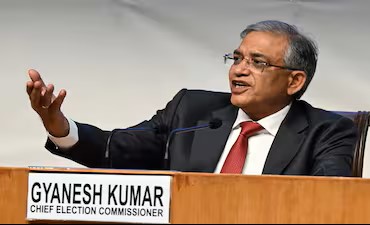
Rajya Sabha Chairman Rejects Impeachment Motion Against CEC Gyanesh Kumar
The CSR Journal Magazine

An impeachment motion aimed at the removal of Chief Election Commissioner Gyanesh Kumar has been dismissed by the Chairman of the Rajya Sabha. This decision comes after a thorough review of the motion’s contents. The motion was officially submitted on March 12, 2026, and garnered support from 63 members of the Rajya Sabha.

The submission of the motion cited provisions under Article 324(5) of the Constitution of India, alongside Article 124(4) and Section 11(2) of the Chief Election Commissioner and Other Election Commissioners (Appointment, Conditions of Service and Term of Office) Act, 2023. Additionally, references were made to the Judges (Inquiry) Act, 1968, in the context of the procedure for impeachment.

The implications of this motion were significant, as removal of a Chief Election Commissioner involves not only procedural elements but also constitutional principles governing the integrity of electoral bodies. The Rajya Sabha Chairman stated that the notice was considered in accordance with the relevant legal frameworks.

Context Surrounding the Motion

The motion against Gyanesh Kumar reflects ongoing political dynamics involving the Election Commission of India. The Commission plays a crucial role in overseeing and ensuring free and fair elections across the country. Allegations that may lead to such motions often arise from various political parties and stakeholders, indicating a challenging environment for the electoral authority.

The Chief Election Commissioner’s position is pivotal, as it directly impacts voter trust and the integrity of the electoral process. The partisan nature of Indian politics sometimes results in scrutiny of the Commission’s decisions and actions. Thus, motions like the one dismissed are a reflection of broader political contestations rather than solely based on the conduct of the officials involved.

In recent years, the Election Commission has been at the centre of numerous discussions regarding its effectiveness and impartiality. This impeachment motion is one of the latest developments in a series of events that have cast attention on the institution and its leadership, highlighting the complexity of maintaining non-partisanship in an increasingly politicised environment.

Reactions to the Decision

The rejection of the impeachment motion has prompted reactions from various quarters within the political spectrum. Supporters of Gyanesh Kumar expressed relief at the decision, viewing it as a vindication of his leadership and the Election Commission’s independence. In contrast, critics who backed the motion have raised concerns regarding the perceived inability of the system to hold electoral officials accountable.

The discourse surrounding electoral reforms and the need for accountability remains a significant topic of conversation among policymakers and the public. The recent events may escalate debates regarding the mechanisms available for addressing grievances against high-ranking officials within the Commission.

Ultimately, the dynamics surrounding the dismissal of the impeachment motion illustrate the complexities inherent in the governance structures involved in the electoral process. As political parties continue to navigate the framework of accountability and transparency, the Election Commission’s role will remain under scrutiny, influencing the trust placed in India’s democratic institutions.

Long or Short, get news the way you like. No ads. No redirections. Download Newspin and Stay Alert, The CSR Journal Mobile app, for fast, crisp, clean updates!

App Store –  https://apps.apple.com/in/app/newspin/id6746449540 

Google Play Store – https://play.google.com/store/apps/details?id=com.inventifweb.newspin&pcampaignid=web_share

Latest News

Popular Videos
