


Delhi to See Temperature Dip, Unseasonal Weather Till April 10
The CSR Journal Magazine

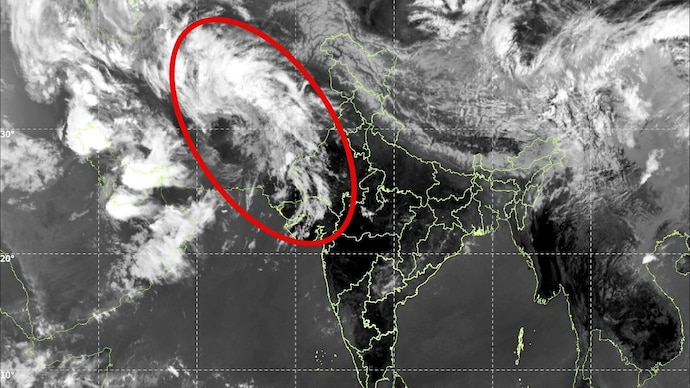
Delhi is set to experience a dramatic change in weather as a robust Western Disturbance moves in from the west. This powerful system, typically observed in January, is expected to reduce the city’s daytime temperatures from 35 degrees Celsius to as low as 21 degrees Celsius by April 7. Meteorologists anticipate that the peak effects of this weather pattern will be felt between April 7 and 10.

A Western Disturbance is defined as an extratropical low-pressure system that originates outside the tropics, mainly over the Mediterranean Sea or the Atlantic Ocean. These systems traverse eastward, absorbing moisture as they progress, and ultimately collide with the mountainous and flat terrains of northwest India, bringing with them rain, snow, and a drop in temperature. With their arrival in April considered atypical, these disturbances are noted for their unseasonal influence.

In this case, the Western Disturbance is significantly influenced by additional moisture circulating from the Arabian Sea. A local weather pattern forming over Rajasthan is enhancing cloud cover and supporting rainfall potential across the region, which increases the overall impact of the disturbance. Model forecasts indicate this low-pressure system’s progression into various states from April 6 onward, with expected widespread effects in Punjab, Haryana, and western Uttar Pradesh.

Forecasted Temperature Changes Across North India

The imminent temperature decline across North India will be considerable. Current temperatures in the plains are between 33 and 35 degrees Celsius, but predictions indicate drops to between 19 and 24 degrees Celsius in Punjab, 20 and 25 degrees Celsius in Haryana, and 21 to 26 degrees Celsius in Delhi by the April 7 and 8 timeframe. This represents a stark 8 to 15 degrees Celsius below seasonal norms, rendering April momentarily reminiscent of February.

With dark storm clouds gathering over the national capital, the weather is set for a substantial shift as the disturbance approaches. Expected weather conditions include thundershowers, hailstorms, and potential lightning strikes across multiple regions in North India, particularly on April 7 and 8. Areas such as Kashmir, Himachal Pradesh, and Uttarakhand may also witness moderate snowfall at higher elevations.

In addition to the Western Disturbance, isolated storm-driven weather patterns are anticipated in regions such as Odisha, West Bengal, and parts of northeastern India from the evening of April 6, further contributing to the complexities of this changing weather system.

Implications for Agriculture and Wheat Farmers

The implications of this weather shift are particularly critical for farmers in North India, especially those involved in wheat cultivation. As the rabi wheat crop reaches its harvest-ready stage, forecasts indicate that this late-season disturbance could prove damaging. Previous Western Disturbances this season have already impacted farmlands, and this forthcoming system is projected to be stronger and affect a wider area.

The added moisture from the Arabian Sea circulation heightens the risks associated with hail and rainfall. Strong winds and hail during this sensitive period can devastate standing crops, leading to significant economic losses shortly before harvest time. This situation necessitates vigilance from farmers as they navigate the challenges posed by these unpredictable weather patterns.

Weather conditions are expected to improve from April 9 onwards, with no major disturbances forecasted for the subsequent 10 to 15 days, providing some relief to both the agrarian community and residents affected by the climatic shifts.

Long or Short, get news the way you like. No ads. No redirections. Download Newspin and Stay Alert, The CSR Journal Mobile app, for fast, crisp, clean updates!

App Store –  https://apps.apple.com/in/app/newspin/id6746449540 

Google Play Store – https://play.google.com/store/apps/details?id=com.inventifweb.newspin&pcampaignid=web_share

Latest News

Popular Videos
