


New Strategy Aims to Revive Ineffective Antibiotics
The CSR Journal Magazine

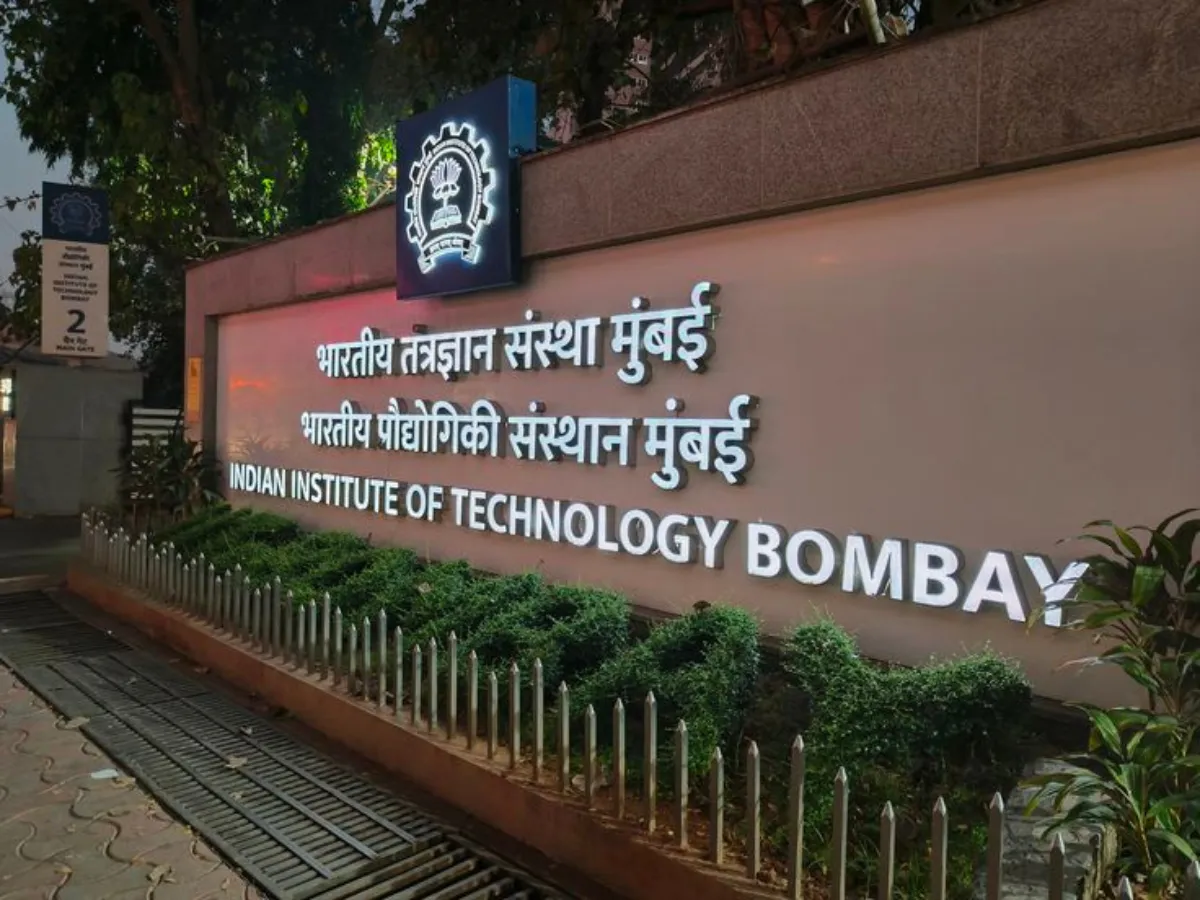
A recent innovation from the Indian Institute of Technology (IIT), Bombay, brings hope in the battle against drug-resistant infections. The team has introduced a novel technique focused on enhancing the efficacy of existing antibiotics, rather than creating new ones. This method involves utilising small, synthetic DNA fragments to counteract the strategies bacteria employ to resist treatment.

Early findings indicate that this approach can reinstate the effectiveness of commonly prescribed antibiotics against resistant strains of bacteria. The fundamental principle is straightforward: many antibiotics become ineffective, not due to their lack of strength but because bacteria have adapted to neutralise them. The researchers have engineered short strands of DNA, identified as aptamers, which function as protective shields against bacterial enzymes that confer resistance.

By binding to these enzymes, the aptamers inhibit their activity, thus allowing antibiotics to attach to their target inside the bacterial cells once again. In laboratory settings, previously resistant bacterial strains have shown renewed susceptibility to treatment due to this innovative method.

The Mechanism Behind The Discovery

This discovery hinges on understanding how antibiotics function to eliminate bacteria. For instance, drugs like erythromycin kill bacteria by attaching to their ribosomes, which are essential for protein synthesis. However, some bacteria produce specific enzymes that modify the ribosome, preventing antibiotic binding and allowing bacterial survival. The IIT Bombay team specifically targeted one of these enzymes.

In their search for effective solutions, the researchers screened a vast library of DNA sequences to discover those that could bind effectively to the resistant enzymes. Following refinement of these sequences, they identified aptamers that not only latch onto the enzyme but also disable its function. This intervention ceases the chemical alteration that facilitates resistance, thus permitting antibiotics to perform their intended role.

The challenge of introducing these DNA fragments into bacterial cells was addressed through packaging them into liposomes, which are tiny fat-like bubbles that resemble cell membranes. These liposomes serve as efficient delivery mechanisms, significantly increasing the uptake of the DNA by bacteria.

Addressing The Growing Crisis of Antibiotic Resistance

The urgency for such advancements is heightened by the rising crisis of antimicrobial resistance (AMR), where antibiotics fail against common pathogens. This global issue is particularly severe in India, where a report by The Lancet noted that approximately 1.07 million individuals were infected by highly resistant bacterial strains in 2021. Antibiotic overuse has intensified the emergence of resistant infections, posing significant health risks.

Recent global statistics reflect the grim reality, with one in six clinical laboratories worldwide reporting cases of bacterial infections that do not respond to standard antibiotic treatments. The development of new antibiotics has slowed significantly; between 2017 and 2022, only a limited number of new drugs were approved, most of which were merely variations of existing medications.

Despite the introduction of new antibiotics, resistance can develop swiftly as bacteria evolve rapidly. This persistent ongoing battle necessitates a shift in strategies, moving from solely focusing on eliminating bacteria to also disabling their defensive mechanisms. The innovative method from IIT Bombay aligns with this new perspective by targeting resistance directly.

Future Prospects and Challenges Ahead

While the initial findings are encouraging, researchers stress that multiple challenges must be addressed before the new approach can be implemented clinically. Comprehensive testing is essential to ensure that the aptamers do not interact with unintended biological targets in humans. Careful evaluation will be required to confirm the safety and efficacy of the delivery liposomes as they relate to human cells.

According to Pradeepkumar, a senior researcher involved in the project, detailed assessments, including animal studies and thorough evaluations of the therapy’s behaviour within the body, will be crucial for future developments. If realised, this method could be implemented as a combination therapy alongside established antibiotics, effectively reviving their functionality in the face of resistance.

Long or Short, get news the way you like. No ads. No redirections. Download Newspin and Stay Alert, The CSR Journal Mobile app, for fast, crisp, clean updates!

App Store –  https://apps.apple.com/in/app/newspin/id6746449540 

Google Play Store – https://play.google.com/store/apps/details?id=com.inventifweb.newspin&pcampaignid=web_share

Latest News

Popular Videos
