


MAPS Comet April 2026: Visibility and Viewing Tips for India
The CSR Journal Magazine

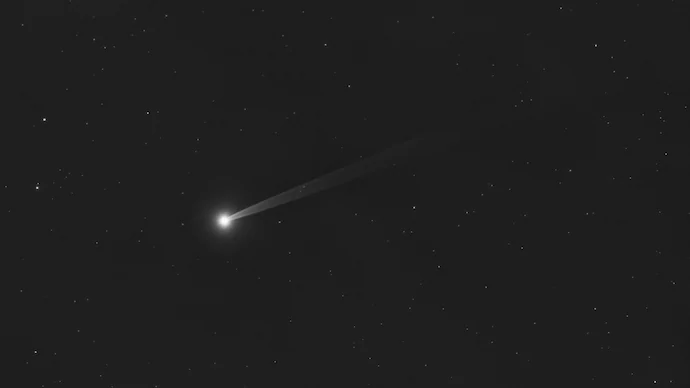
The MAPS comet, officially designated C2026 A1, is set to make a close approach to the Sun in early April 2026, generating significant interest among astronomical enthusiasts in India. There is a chance that the comet could be visible from various locations in the country, although conditions require careful consideration. The best opportunities for visibility are primarily in the southern regions of India.

Regions such as Tamil Nadu, Kerala, Karnataka, Andhra Pradesh, and Goa reportedly stand a better chance of spotting the comet. It is anticipated that the comet will appear low in the southwestern sky after sunset. In contrast, northern parts of India may experience difficulties due to light pollution in urban areas, potentially obscuring the view.

Clear skies and a broad, unobstructed horizon will greatly enhance the chances of witnessing this celestial event. For those eager to catch a glimpse, planning the viewing location will play a crucial role in the success of the experience.

Timing for Optimal Viewing

For optimal viewing of the MAPS comet, the closest approach to the Sun is scheduled for April 4, 2026. Locating the comet will require some preparation. Skywatchers are advised to look for the comet approximately thirty to forty-five minutes after sunset. Focusing on the west-southwest horizon during this timeframe will be key to successfully spotting the comet.

The comet may appear in proximity to the planet Venus, making it somewhat easier to locate. Due to the brief window of visibility, timing is essential for viewers hoping to see the comet in its full glory.

In addition to being mindful of the time, individuals should consider using binoculars or a small telescope to enhance visibility. Ensuring a clear and open view of the western sky will significantly improve the chances of sighting the comet, particularly in areas with low light pollution.

Challenges in Observing the Comet

Despite the potential for visibility, several factors could complicate the observation of the MAPS comet. It is categorised as a Sun-grazer, meaning it will be passing very close to the Sun during its approach. This proximity poses risks as the comet might fade, fragment, or fail to brighten as anticipated.

The bright twilight skies following sunset may further complicate the spotting of the comet. Therefore, individuals interested in viewing the MAPS comet will need to exercise patience and flexibility as they await the best conditions for observation.

The unpredictability of celestial events such as this adds to the excitement for skywatchers. While there is inherent uncertainty in its visibility, the rarity of such occurrences makes capturing a glimpse of the MAPS comet a compelling endeavour for astronomy enthusiasts.

Long or Short, get news the way you like. No ads. No redirections. Download Newspin and Stay Alert, The CSR Journal Mobile app, for fast, crisp, clean updates!

App Store –  https://apps.apple.com/in/app/newspin/id6746449540 

Google Play Store – https://play.google.com/store/apps/details?id=com.inventifweb.newspin&pcampaignid=web_share

Latest News

Popular Videos
