


Iran Conflict Impacts Financial Markets: Key Indicators to Monitor
The CSR Journal Magazine

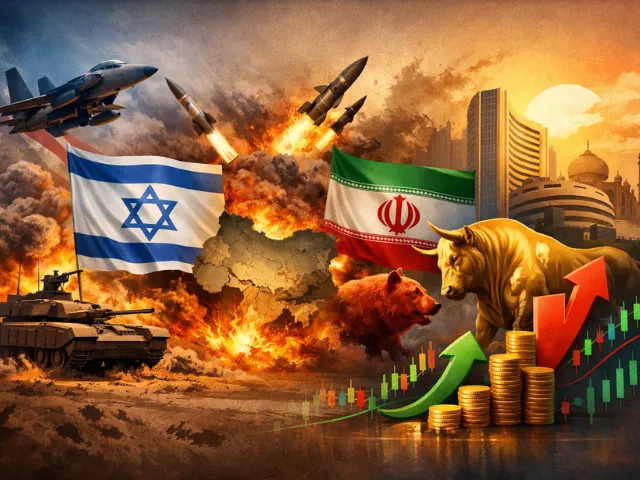
The emergence of conflict in Iran has significantly impacted global financial markets, resulting in declining equity prices and escalating oil costs. The Indian stock market, known as Dalal Street, has not been exempt from this trend. Recent sessions have witnessed substantial fluctuations driven by rising crude oil prices and the uncertainty stemming from the conflict.

Investors now face the daunting task of navigating through chaotic market conditions characterised by rapidly changing headlines. The challenges are exacerbated by conflicting reports regarding the extent of the conflict’s escalation, oil pricing fluctuations, and potential supply chain disruptions. This volatile environment complicates the investment decision-making process.

To make informed choices, investors must look beyond mere news updates. Reliance on shifting headlines may obscure underlying realities. It is advisable to focus on tangible indicators associated with oil supply, pricing, and trade dynamics, which present a more accurate representation of the evolving situation.

Importance of Monitoring Oil Supply Signals for India

India’s economy is notably vulnerable to the ramifications of the ongoing conflict, as the nation imports approximately 85 per cent of its crude oil. A significant portion of this oil transits through the Strait of Hormuz, a crucial global oil corridor. Any disturbances along this route can lead to heightened oil prices, increased inflation, and adverse impacts on the financial markets.

The war has reportedly curtailed tanker movement and disrupted supply chains, underlining the need for meticulous monitoring of indicators that reflect direct supply risks. Understanding these factors is vital for investors wishing to navigate the current landscape effectively.

Furthermore, attention to some specific signals can enhance insights into market movements and assist investors in making prudent financial choices. It is critical to identify which indicators provide the clearest perspective on the risks associated with supply disruptions in this context.

Key Indicators to Observe Amid the Conflict

One of the primary indicators for assessing risk is the cost of insuring oil tankers traversing the Strait of Hormuz. Previously, insurance premiums were around 0.25 per cent of a vessel’s value, but they have since surged to between 3.5 per cent and 10 per cent, suggesting a significant increase in perceived risk. A decrease in these premiums, particularly below 2 per cent, could indicate improving conditions and a stabilization of trading activities.

Another critical measure involves monitoring the actual number of ships passing through the Strait of Hormuz. The volume of daily crossings has fallen dramatically from over 100 to a significantly lower figure, pointing to a substantial trade slowdown. An increase in movement towards 30 to 40 vessels daily could signify a return to more stable supply routes.

Additionally, attention should be given to the disparity between benchmark oil prices and the actual prices encountered in real transactions. Brent crude represents market expectations, whereas physical oil prices, such as those reflected in Dubai crude, illustrate the realities of trades. A widening gap between these price indicators suggests that while market sentiment may drive benchmark prices, genuine supply conditions remain constrained.

Finally, the expiration timeline for emergency supply measures must be considered. Temporary measures currently in place, including reserve releases and policy initiatives, are expected to conclude around mid-April. If these supports are not continued, the supply gap is likely to widen, further amplifying pressure on oil prices and market stability.

Long or Short, get news the way you like. No ads. No redirections. Download Newspin and Stay Alert, The CSR Journal Mobile app, for fast, crisp, clean updates!

App Store –  https://apps.apple.com/in/app/newspin/id6746449540 

Google Play Store – https://play.google.com/store/apps/details?id=com.inventifweb.newspin&pcampaignid=web_share

Latest News

Popular Videos
