


Special Parliament Session on April 16 to Address Women’s Reservation in Lok Sabha
The CSR Journal Magazine

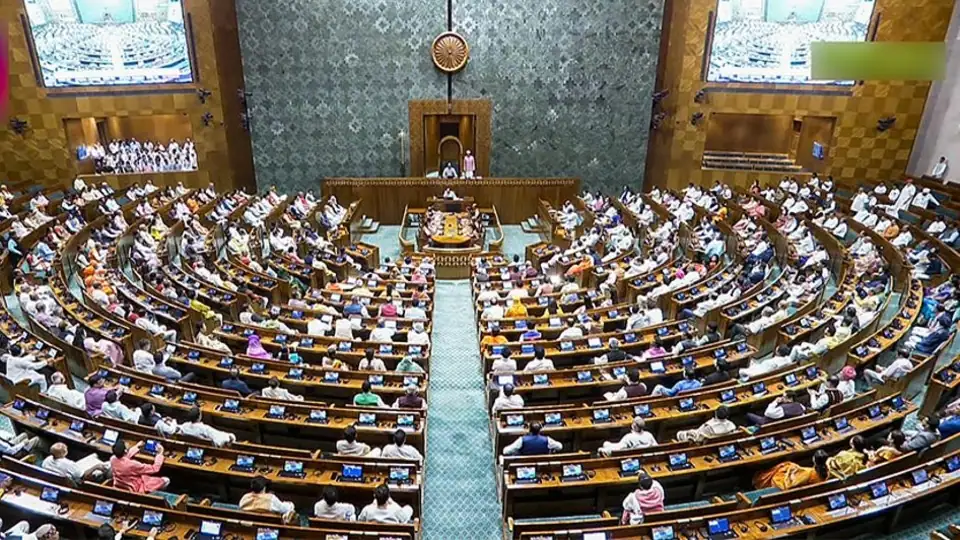
A special session of the Indian Parliament will commence for three days starting on April 16, focusing on key constitutional amendments designed to increase the number of Lok Sabha seats from 543 to 816. This move aims to facilitate the swift implementation of the women’s reservation law.

Sources indicate that both Houses will convene on April 16, 17, and 18, with plans for three sittings during this timeframe. The current Budget Session, originally set to adjourn indefinitely on April 2, will instead reconvene specifically for this legislative purpose.

The government’s priority is to advance the proposed legislation, which includes amendments linked to the Nari Vandan Adhiniyam, 2023, facilitating the operationalisation of women’s reservation in legislative structures. It is expected that the bills will be introduced first in the Lok Sabha.

Government’s Stance on Legislative Timing

Parliamentary Affairs Minister Kiren Rijiju announced in the Rajya Sabha that the House would reconvene soon to deliberate on an important legislative bill. He highlighted that the government has already communicated its intentions to opposition parties regarding this matter.

This announcement has sparked considerable political discourse, with Leader of the House JP Nadda arguing in favour of the government’s authority to determine legislative timing. In contrast, Leader of Opposition Mallikarjun Kharge has accused the central government of acting aggressively to gain political leverage from the proposed legislation.

Congress leader Jairam Ramesh has alleged that the government aims to push the bill during the current election cycle for electoral gain. He advocated for an all-party meeting to follow the electoral processes concluding on April 29 in several states. Ramesh has also raised questions about the government’s previous commitments linking the implementation of women’s reservation to the Census and delimitation.

Political Reactions and Concerns

Kiren Rijiju responded to the allegations by reaffirming the government’s commitment to women’s rights, urging all parties to refrain from politicising the issue. Other opposition figures have expressed their apprehensions as well. AAP’s Sanjay Singh voiced concerns over the government’s approach to the matter, while NCP MP Fauzia Khan requested clarity regarding reservations in both the Rajya Sabha and state legislative councils.

Additionally, RJD MP Manoj Jha raised the issue of ensuring sub-quotas for women from Scheduled Castes, Scheduled Tribes, and Other Backward Classes. The Congress has also inferred that increasing Lok Sabha seats by nearly fifty per cent could disadvantage smaller states located in the South, Northeast, and West of the country; however, the government has not yet officially addressed these claims.

This legislative initiative occurs against the backdrop of ongoing elections in various states, including Puducherry, Assam, Kerala, West Bengal, and Tamil Nadu, which amplifies the political implications surrounding the proposed women’s reservation bill.

Long or Short, get news the way you like. No ads. No redirections. Download Newspin and Stay Alert, The CSR Journal Mobile app, for fast, crisp, clean updates!

App Store –  https://apps.apple.com/in/app/newspin/id6746449540 

Google Play Store – https://play.google.com/store/apps/details?id=com.inventifweb.newspin&pcampaignid=web_share

Latest News

Popular Videos
