


Pakistan Raises Fuel Prices Up to 55% Amid Global Oil Surge
The CSR Journal Magazine

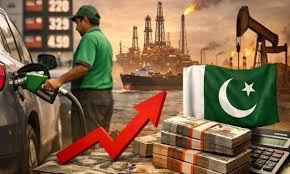
On Thursday, Pakistan raised consumer prices for diesel and petrol significantly, with the hikes representing the second increase in less than a month. The surge in prices is primarily attributed to escalating global oil prices linked to the ongoing conflict in the Middle East.

Specifically, diesel prices have risen by 54.9%, now costing 520.35 Pakistani rupees ($1.88) per litre, while petrol prices have gone up by 42.7%, reaching 458.40 Pakistani rupees per litre. These new rates will be applicable starting Friday.

Petroleum Minister Ali Pervaiz Malik, at a news conference broadcast on state television, stated that the price increase was unavoidable due to the substantial rise in international crude oil prices. He expressed that the situation necessitated the adjustment, citing the conflict’s influence on market stability.

Consequences for the National Economy

Prior to this adjustment, petrol and diesel prices were raised by approximately 20% last month, attributed to the ongoing tensions driven by the US-Israeli conflict regarding Iran. This cumulative increase is likely to exacerbate inflation in the country.

Pakistan’s economy, heavily reliant on oil imports predominantly from Saudi Arabia and the UAE, may face increased strain as these fuel prices rise further. With transportation and goods’ costs linked to fuel rates, the effects are poised to ripple through the economy, affecting the daily lives of citizens.

Finance Minister Muhammad Aurangzeb announced several targeted relief measures intended to mitigate the financial burden on vulnerable populations. These include a subsidy of 100 rupees per litre for two-wheeler users, which will be capped at a maximum of 20 litres per month for three months.

Government’s Attempt to Support Agriculture and Food Security

Aurangzeb also highlighted the ministry’s plans to support the agriculture sector by offering a one-time subsidy of 1,500 rupees per acre for small farmers. This support is considered essential, given that agriculture constitutes approximately 24% of Pakistan’s GDP, playing a vital role in the nation’s food security.

Malik noted that over the past three weeks, the government had allocated subsidies totalling 129 billion rupees. However, he asserted that continuing such extensive support was not financially sustainable in the current climate, given the limited resources available and the uncertain duration of the ongoing conflict.

Global oil markets are currently experiencing significant volatility. On the same day of Pakistan’s announcement, US oil prices increased by more than 11%, while Brent crude saw an uptick of over 7%. These fluctuations follow statements by US President Donald Trump regarding the intensification of military operations, further complicating the situation in these markets.

Long or Short, get news the way you like. No ads. No redirections. Download Newspin and Stay Alert, The CSR Journal Mobile app, for fast, crisp, clean updates!

App Store –  https://apps.apple.com/in/app/newspin/id6746449540 

Google Play Store – https://play.google.com/store/apps/details?id=com.inventifweb.newspin&pcampaignid=web_share

Latest News

Popular Videos
