


How the US-Israeli Attacks Have Affected Iran’s Economy and People?
The CSR Journal Magazine

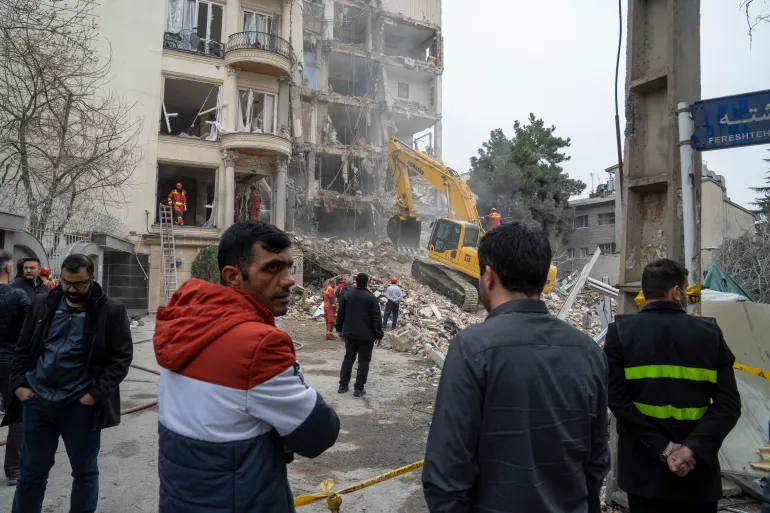
The ongoing US-Israeli military actions targeting Iran have increasingly impacted the nation’s economy, with civilians facing significant challenges. Reports indicate that the grassroots population is experiencing the direct effects of these strikes, including rising prices and diminished accessibility to essential goods. These economic pressures are particularly acute among vulnerable segments of society, highlighting the socio-economic disparities exacerbated by the conflict.

With inflation reportedly escalating due to the conflict, many families are struggling to afford basic necessities. Basic supplies, including food and healthcare, have seen notable price increases, further straining household budgets. As the situation continues to unfold, the national economic landscape is witnessing shifts that could have long-term repercussions for the everyday lives of Iranian citizens.

International Sanctions Compounding Economic Struggles

In addition to the military actions, existing international sanctions are severely hampering Iran’s economic recovery efforts. These sanctions, which have been in place for several years, restrict Iran’s ability to engage in international trade and obtain necessary resources. Experts claim that the current military situation, combined with stringent sanctions, is creating a compounded effect that exacerbates economic instability.

The Iranian government has reportedly been attempting to navigate these challenges by seeking new trade partnerships, but these efforts have met with limited success. The ongoing conflict has deterred many potential trading partners, leading to a decline in foreign investments. This lack of investment further stifles economic growth and development, creating a cycle of hardship for the nation.

Furthermore, the impact of the conflict on the Iranian oil industry cannot be overlooked. As a crucial part of the national economy, disruptions in oil exports due to military actions and sanctions are anticipated to have far-reaching consequences for state revenues. Reduced income from oil sales limits the government’s ability to fund vital public services and infrastructure projects, exacerbating the plight of the population.

Hope for Resolution Remains Fragile

Amid these turbulent economic conditions, discussions surrounding a potential resolution to the conflict have emerged, albeit in a frail state. Diplomatic efforts to mitigate tensions have been reportedly hindered by a lack of mutual trust between the involved parties. This has left many Iranians feeling uncertain about the future and the possibility of a return to stability.

Some analysts suggest that a focus on dialogue rather than military intervention could pave the way for healing the economic rifts and addressing humanitarian concerns. However, with the current geopolitical climate being unpredictable, many citizens remain sceptical about such outcomes. The aspirations for peace and economic relief are overshadowed by the immediate realities of conflict and hardship.

In summary, the ongoing US-Israeli attacks have substantially impacted Iran’s economy, primarily affecting the civilian population. With compounded challenges from sanctions and reduced economic activity, the road ahead appears daunting. As the international community looks on, the hope for a peaceful resolution remains tenuous, leaving many Iranians in a precarious situation regarding their livelihoods and future prospects.

Long or Short, get news the way you like. No ads. No redirections. Download Newspin and Stay Alert, The CSR Journal Mobile app, for fast, crisp, clean updates!

App Store –  https://apps.apple.com/in/app/newspin/id6746449540 

Google Play Store – https://play.google.com/store/apps/details?id=com.inventifweb.newspin&pcampaignid=web_share

Latest News

Popular Videos
