


What Are Carnivorous Plants? Types, Habitat and How They Eat Insects
The CSR Journal Magazine

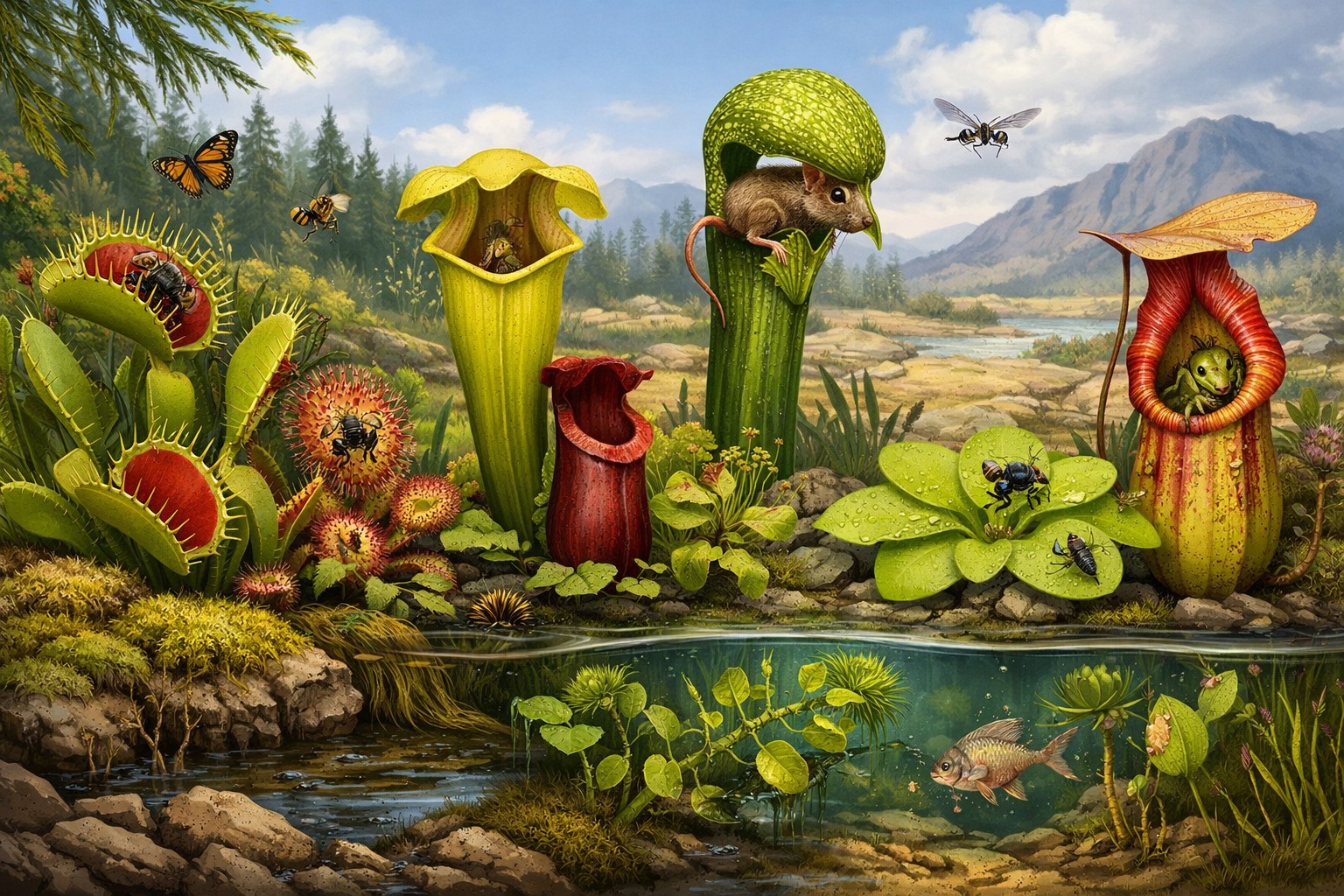
Carnivorous plants represent a fascinating category of flora that attracts, traps, and digests animal prey for nutritional benefits. Approximately 600 to 630 species are recognised around the world, primarily consuming insects, although some can digest small creatures like rodents or fish. Despite their unusual diet, these plants continue to perform photosynthesis, a fundamental function shared with most other plant life. The ingestion of animal prey enables them to access essential nutrients, particularly nitrogen, often lacking in their native soils.

Habitat and Distribution

Carnivorous plants predominantly thrive in environments characterised by nutrient-deficient soils. Their common habitats include bogs and swamps, wetlands, and sandy or rocky terrains. Remarkably, these species are distributed across every continent, with the exception of Antarctica, showcasing their adaptability to various ecological conditions.

These plants demonstrate resilience by establishing themselves in areas where traditional plants struggle to survive, thereby filling a unique ecological niche. Their presence in such challenging environments highlights their evolutionary strategies for nutrient acquisition.

Each habitat not only provides the necessary conditions for their growth but also influences the adaptations these plants have developed for capturing prey. Such interactions between the plants and their environments illustrate the intricate relationships within ecosystems.

Prey Attraction Techniques

Carnivorous plants employ a variety of sophisticated strategies to lure potential prey. These strategies include vibrant colours mimicking flowers and the secretion of sweet-smelling nectar to entice insects. Furthermore, some species utilise camouflage to hide their traps, making them less detectable to unsuspecting animals. Notably, certain plants position their true flowers away from trapping mechanisms to avoid accidentally capturing pollinators such as bees.

This multi-faceted approach to attracting prey highlights the plants’ evolutionary innovation and demonstrates the intricate balance they maintain in nature. The combination of visual appeal and alluring scents makes these plants effective predators within their respective habitats.

The diversity in attraction strategies among different species underscores the ecological significance of these plants. Their ability to adapt and modify their structures showcases the complexity of evolutionary processes occurring within carnivorous plant communities.

Trapping and Digestion Mechanisms

Carnivorous plants employ several distinct trapping mechanisms, each tailored to specific species. Pitfall traps consist of deep, liquid-filled structures, wherein prey falls and becomes digested. Sticky traps feature leaves coated with a glue-like substance that ensnares insects. Snap traps, exemplified by the Venus flytrap, feature rapidly closing leaves that capture prey instantly. Aquatic plants utilise suction traps that draw in their victims, while snare traps guide prey into digestive chambers using tube-like features.

After a successful capture, the digestion process involves the utilisation of digestive enzymes or bacteria that assist in breaking down the prey. This enables the plants to absorb vital nutrients, which support their growth in nutrient-poor soil conditions. The efficiency of these methods illustrates the plants’ remarkable adaptations for survival.

Carnivorous plants do not rely on prey for energy as animals do; they still obtain energy from sunlight. The consumption of prey supplements their nutrient intake, allowing them to thrive in challenging environments where traditional plants may fail. This remarkable adaptation has become a significant aspect of their survival strategy.

Long or Short, get news the way you like. No ads. No redirections. Download Newspin and Stay Alert, The CSR Journal Mobile app, for fast, crisp, clean updates!

App Store –  https://apps.apple.com/in/app/newspin/id6746449540 

Google Play Store – https://play.google.com/store/apps/details?id=com.inventifweb.newspin&pcampaignid=web_share

Latest News

Popular Videos
