


95% Shipping Collapse in Strait of Hormuz Sparks Global Oil Panic
The CSR Journal Magazine

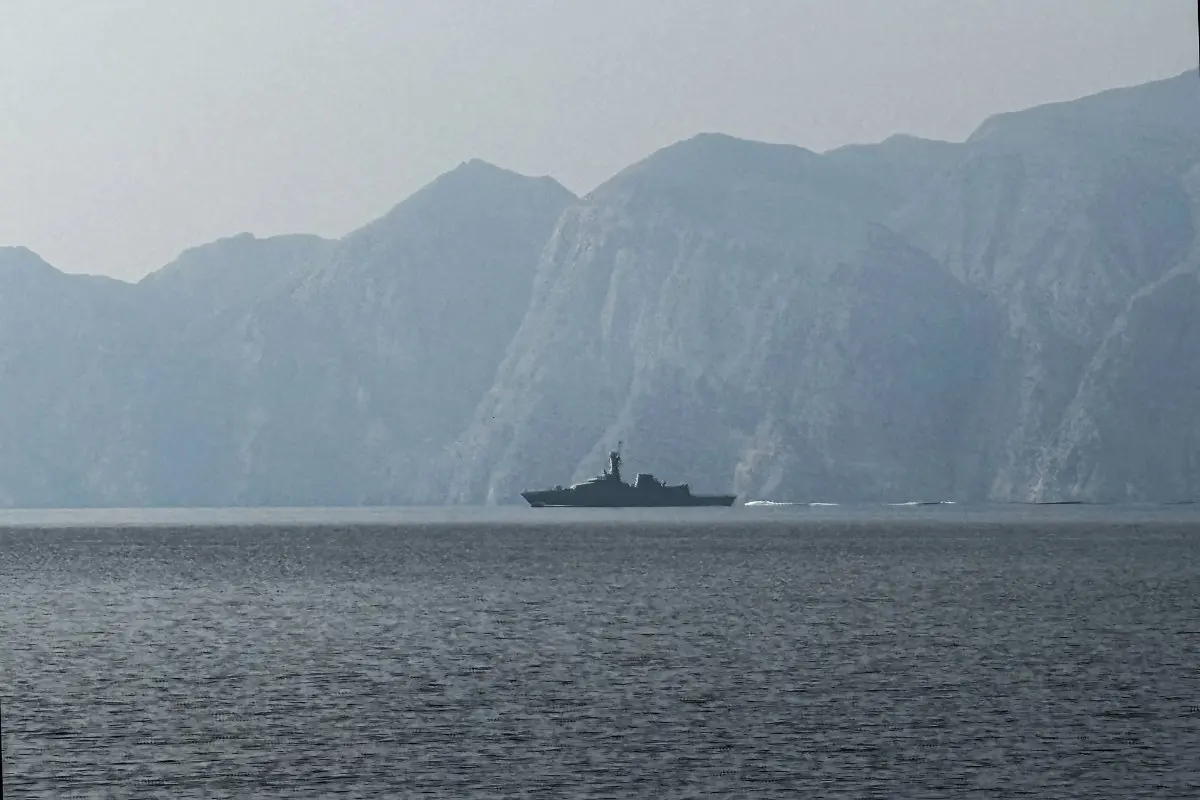
The Strait of Hormuz, a critical maritime route responsible for the passage of approximately 20% of the world’s oil and gas, is currently navigating a precarious situation. The strait is neither officially closed nor fully open, leading to an unusual contradiction in shipping activities. As tensions rise due to ongoing conflict in the region, traffic through this vital oil shipping lane has plummeted. The situation has resulted in surging oil prices and record highs for natural gas, reflecting the broader economic impact felt globally amidst this crisis. The roots of the current predicament are tied to military actions initiated on February 28, which saw attacks on Iran, including the death of Supreme Leader Ayatollah Khamenei. Iran, which directly borders the strait, maintains significant control over this crucial waterway. The strait’s narrowest point measures only 33 kilometers, making it difficult for vessels to circumvent Iranian waters, granting Tehran leverage in these circumstances.

Decline in Ship Crossings

The ongoing conflict, now in its fourth week, has seen Iran tightening its authority over the Strait of Hormuz, opting to selectively allow vessel passage rather than imposing a complete blockade. Reports indicate that Iran has conducted attacks on approximately 20 vessels attempting to pass without its consent, issuing warnings exclusively targeting “enemies and their allies” without offering a clear definition of these entities. For March, analysis from Kpler reveals that only 138 ships, including 87 oil and gas tankers, have crossed the strait, averaging a meager 5-6 vessels daily. This marks a staggering 95% reduction in traffic compared to pre-conflict levels, where roughly 138 to 140 ships normally transited the waterway daily. According to the International Maritime Organisation, around 2,000 ships remain stranded in nearby waters, further exemplifying the impact of the ongoing crisis.

Countries Granted Permission

A limited number of nations have successfully navigated their tankers through the Strait of Hormuz since the initiation of hostilities. The majority of recent shipments consist of sanctioned tankers and vessels from the shadow fleet, typically operating without insurance. Notably, the bulk of oil shipments during this period have been directed toward Asia, particularly China, a key crude importer that has voiced objections to the military strikes against Iran. Since the outbreak of the conflict, over 12 million barrels of crude have been delivered to China. An analysis by Lloyd’s reported that one-third of the vessels involved are either owned by or linked to Iranian firms, with Greek and Chinese carriers also represented. Six tankers en route to India have successfully passed through, while around 20 Indian-flagged vessels, carrying 540 Indian crew members, remain awaiting transit.

Challenges in Navigation

Navigating through the Strait of Hormuz presents myriad challenges, including the dangers posed by drones, missiles, and underwater mines. Iran benefits from a strategically advantageous geography that enables combatants to launch attacks from elevated coastal positions, leaving less reaction time for passing ships. Initially, some vessels attempted to avoid detection by disabling their tracking systems, but this strategy was curtailed following a deadly assault on the US-owned tanker MT Safesea Vishnu, which resulted in an Indian crew member’s death.

Iran’s Regulated Passage System

Iranian authorities are reportedly handling vessel transit requests on an individual basis, with allegations circulating about a so-called “Tehran toll booth.” Reports suggest that Iranian officials may charge as much as $2 million for the safe passage of ships, drawing parallels to Egypt’s management of the Suez Canal, though Iranian officials have denied these claims. Instead, a controlled corridor is overseen by the Islamic Revolutionary Guard Corps (IRGC), which entails a vetting process for operators seeking to cross the strait. Prior to passage, detailed documentation regarding the vessel and its cargo must be submitted for IRGC approval. Priority is reportedly given to oil cargoes, followed by a thorough inspection process before transit is authorized.

Rising Insurance Costs

The Strait of Hormuz remains accessible; however, the risks associated with navigation have escalated sharply. As the threat level intensifies, so too do the insurance premiums associated with maritime transport in the region, ranging between 3-7.5%. Large oil tankers, typically valued at $200–300 million, have witnessed premium increases from 0.25% to as high as 3%. Consequently, insurance expenses for voyages have surged from approximately $600,000 to $7-9 million, posing significant challenges to profitability within the shipping sector. In light of these developments, vessels may find it increasingly difficult to operate within the current geopolitical landscape of the Strait of Hormuz.

Long or Short, get news the way you like. No ads. No redirections. Download Newspin and Stay Alert, The CSR Journal Mobile app, for fast, crisp, clean updates!

App Store –  https://apps.apple.com/in/app/newspin/id6746449540 

Google Play Store – https://play.google.com/store/apps/details?id=com.inventifweb.newspin&pcampaignid=web_share

Latest News

Popular Videos
